ISRO begins countdown for 1st launch of 2026 with PSLV-C62 mission
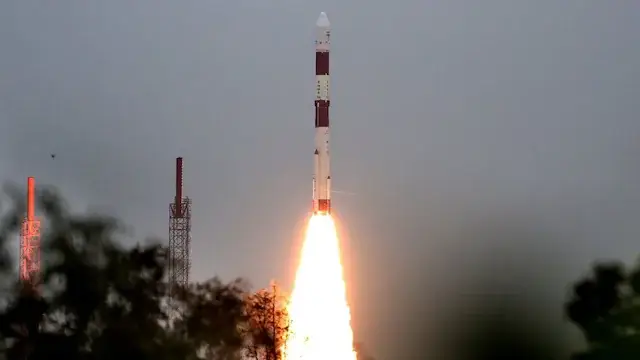
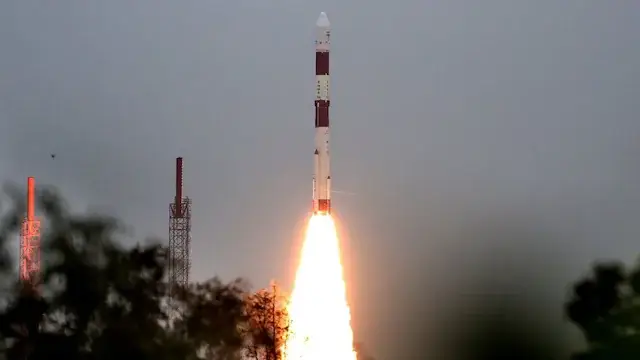
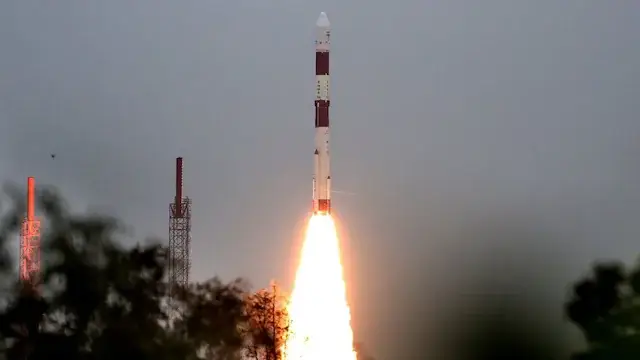
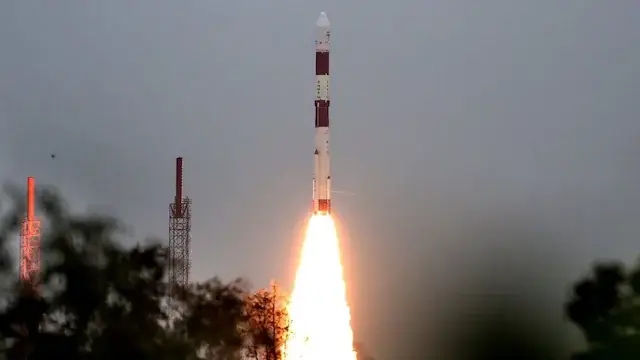
The Indian Space Research Organisation (ISRO) has commenced a 22-hour countdown at 12.48 pm for its first launch mission of 2026, ‘PSLV-C62/EOS-N1’. This mission marks the beginning of a new year of space exploration for India, with the PSLV rocket set to place the EOS-N1 Earth observation satellite and 15 co-passenger satellites into orbit. The PSLV, or Polar Satellite Launch Vehicle, is ISRO’s workhorse launch vehicle, which has completed 63 flights, including notable missions like Chandrayaan-1. It holds the record for launching 104 satellites in a single mission, a testament to its reliability and versatility.
The PSLV-C62 mission is a significant one, as it will deploy the EOS-N1 Earth observation satellite, which is designed to provide high-resolution images of the Earth’s surface. The satellite will be used for a variety of applications, including disaster management, urban planning, and natural resource management. In addition to the EOS-N1 satellite, the PSLV rocket will also carry 15 co-passenger satellites into orbit, including satellites from India and other countries. These satellites will be used for a range of purposes, including communication, navigation, and scientific research.
The PSLV rocket is a highly reliable and versatile launch vehicle, with a proven track record of success. It has been used for a wide range of missions, including the launch of satellites into low Earth orbit, geostationary transfer orbit, and even interplanetary missions. The PSLV has also been used to launch satellites for other countries, making it a popular choice for international customers.
The countdown for the PSLV-C62 mission began at 12.48 pm, and the launch is scheduled to take place at 10.48 am on the next day. The launch will be carried out from the Satish Dhawan Space Centre in Sriharikota, Andhra Pradesh. The PSLV rocket will use its XL configuration, which is the most powerful version of the rocket, to carry the EOS-N1 satellite and the 15 co-passenger satellites into orbit.
The PSLV-C62 mission is an important one for ISRO, as it marks the beginning of a new year of space exploration for India. The mission is expected to be a success, given the PSLV rocket’s proven track record and the careful planning and preparation that has gone into the launch. The success of the mission will be a significant boost to India’s space program, and will pave the way for even more ambitious missions in the future.
ISRO has been working tirelessly to advance India’s space program, with a focus on developing new technologies and capabilities. The organization has made significant progress in recent years, with notable achievements including the successful landing of the Vikram lander on the Moon as part of the Chandrayaan-3 mission. ISRO is also working on a range of other missions, including the Gaganyaan mission, which aims to send an Indian astronaut to space by 2025.
The PSLV-C62 mission is a significant milestone in ISRO’s journey, and marks the beginning of a new era of space exploration for India. With its proven track record of success and its versatility, the PSLV rocket is an important part of ISRO’s launch capabilities, and will continue to play a vital role in the organization’s future missions.
In conclusion, the PSLV-C62 mission is an exciting and significant one for ISRO, marking the beginning of a new year of space exploration for India. The mission is expected to be a success, given the PSLV rocket’s proven track record and the careful planning and preparation that has gone into the launch. With its focus on developing new technologies and capabilities, ISRO is poised to make even more significant contributions to the field of space exploration in the years to come.
News Source: https://x.com/PTI_News/status/2010285538843173209
About the Author