Iran using Hezbollah terrorists, Iraqi militants against protests: US
The United States has expressed alarm over reports that Iran has deployed Hezbollah terrorists and Iraqi militants to suppress peaceful protests in the country. The move is seen as a desperate attempt by the Iranian government to quell the growing unrest and dissent among its citizens. The protests, which began in response to a hike in fuel prices, have quickly escalated into a broader movement against the government and its policies.
According to the US, the Iranian government has spent billions of dollars on terrorist proxy forces, including Hezbollah and Iraqi militant groups. The deployment of these forces against peaceful protesters is a betrayal of the Iranian people, who are already struggling under the weight of economic sanctions and government mismanagement. “This regime has spent billions of dollars belonging to the Iranian people on terrorist proxy forces. Deploying those forces against its own citizens would be yet another profound betrayal of the Iranian people,” the US said.
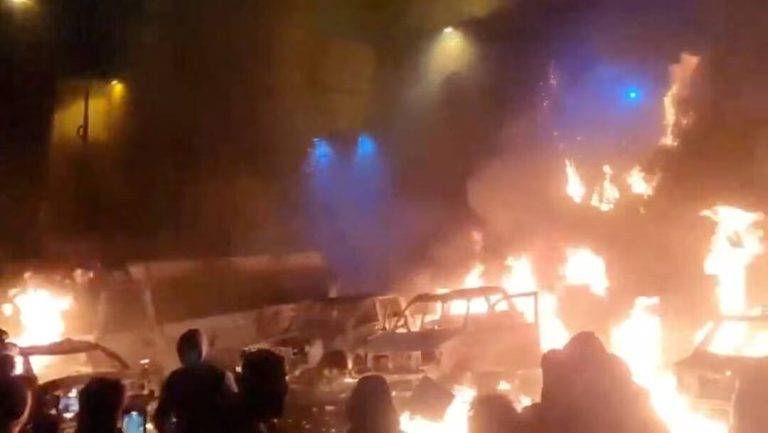
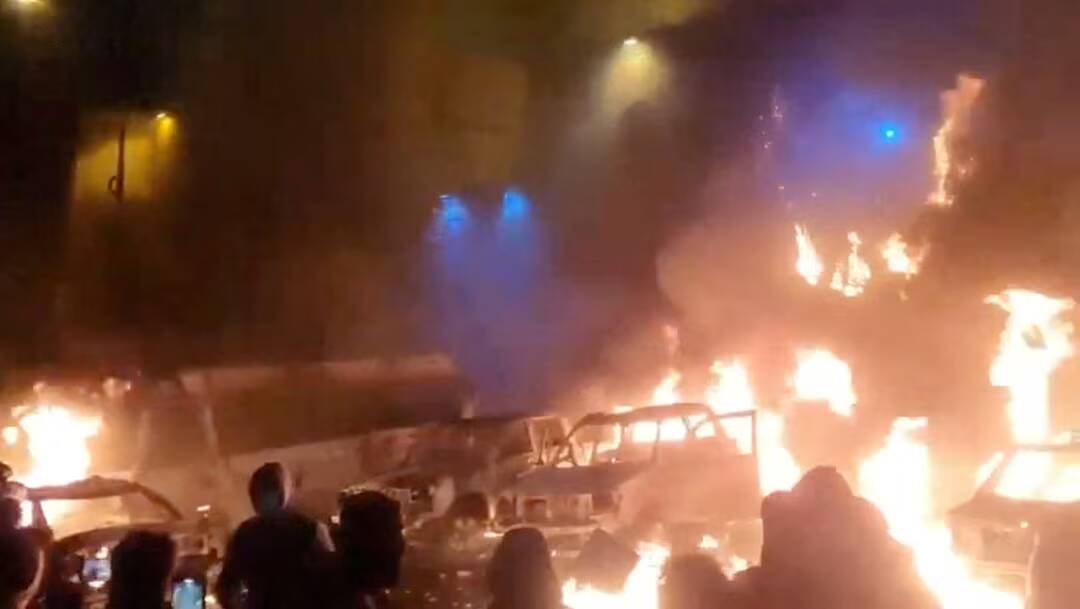
The protests in Iran, which began on November 15, have been met with a brutal crackdown by the government. Security forces have used tear gas, water cannons, and live ammunition to disperse protesters, resulting in hundreds of deaths and injuries. The government has also imposed a near-total internet blackout, making it difficult for protesters to communicate and coordinate their efforts.
The use of Hezbollah terrorists and Iraqi militants to suppress the protests is a concerning development, as it suggests that the Iranian government is willing to use any means necessary to maintain its grip on power. Hezbollah, a Shia militant group based in Lebanon, has long been a key ally of the Iranian government, and has been involved in various conflicts in the region, including the Syrian civil war. Iraqi militant groups, such as the Popular Mobilization Forces (PMF), have also been supported by Iran and have been involved in various conflicts in the region.
The deployment of these forces against peaceful protesters is a clear indication of the Iranian government’s desperation and willingness to use violence to maintain its power. The move is also likely to exacerbate the already tense situation in the country, and could lead to further violence and instability.
The international community has been quick to condemn the Iranian government’s actions, with many countries expressing concern over the use of force against peaceful protesters. The US, in particular, has been vocal in its criticism of the Iranian government, with President Donald Trump warning Supreme Leader Ali Khamenei that “the world is watching” and that the US will “stand with the people of Iran”.
The situation in Iran is complex and multifaceted, and the use of Hezbollah terrorists and Iraqi militants to suppress protests is just one aspect of the broader crisis. The Iranian government’s actions have been driven by a desire to maintain its power and control, but they have also been fueled by a range of other factors, including economic mismanagement, corruption, and a lack of democratic freedoms.
As the situation in Iran continues to unfold, it is clear that the international community will be watching closely. The use of force against peaceful protesters is a clear violation of human rights, and the deployment of terrorist proxy forces is a concerning development that could have far-reaching implications for the region.
In conclusion, the Iranian government’s decision to deploy Hezbollah terrorists and Iraqi militants to suppress peaceful protests is a desperate and brutal attempt to maintain its power. The move is a clear indication of the government’s willingness to use violence and intimidation to silence its critics, and it is a betrayal of the Iranian people, who are already struggling under the weight of economic sanctions and government mismanagement. As the international community continues to watch the situation in Iran, it is clear that the Iranian government’s actions will have far-reaching implications for the region and the world.
About the Author