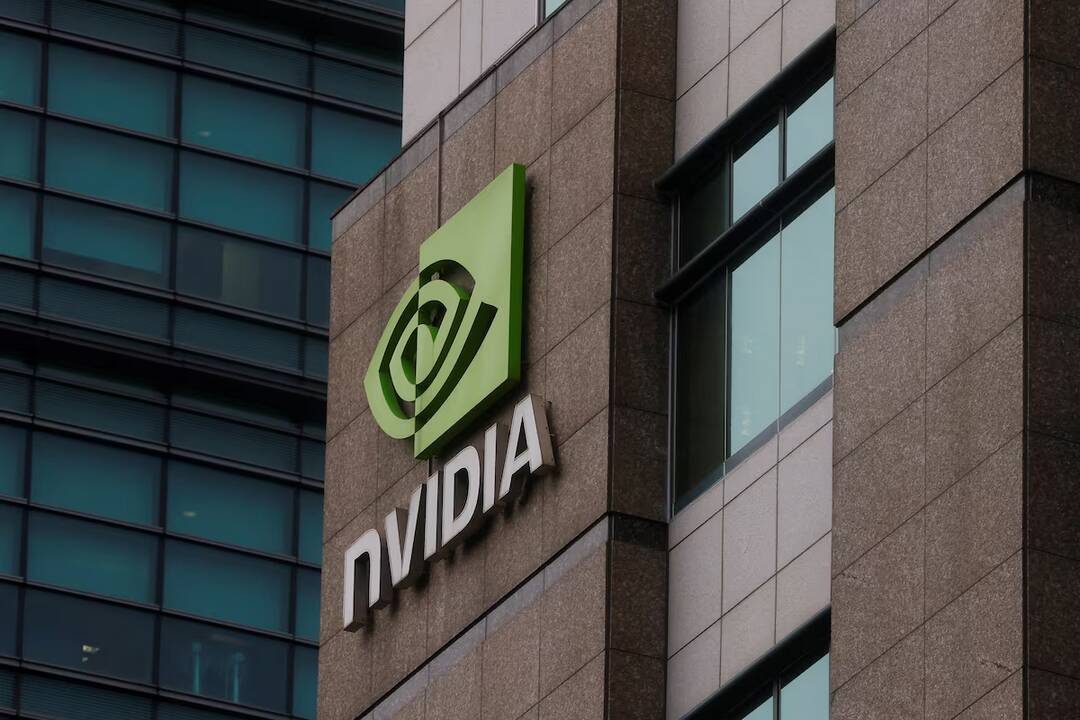
NVIDIA asks for full upfront payment for chips from Chinese buyers
The global semiconductor industry has been witnessing a significant shift in recent times, with the ongoing geopolitical tensions between the US and China playing a major role in shaping the market dynamics. In a recent development, NVIDIA, a leading American technology company, has made a significant change in its payment terms for Chinese customers buying its H200 AI chips. According to a report by Reuters, NVIDIA is now seeking full upfront payment from Chinese customers, with no options to cancel, ask for refunds, or change configurations after placement.
This move marks a departure from the company’s earlier policy, where clients were allowed to place a deposit rather than make full payment upfront. The new payment terms are likely to impact Chinese companies that are looking to purchase NVIDIA’s AI chips, which are widely used in data centers, cloud computing, and other applications. The change in payment terms comes amid a lack of clarity on whether Chinese regulators would allow the shipments of these chips, given the ongoing trade tensions between the US and China.
The US government has been imposing restrictions on the export of advanced technologies, including AI chips, to China, citing national security concerns. These restrictions have been aimed at limiting China’s ability to develop its own advanced technologies, including AI, 5G, and other emerging technologies. As a result, Chinese companies have been facing significant challenges in accessing these advanced technologies, which are critical for their growth and development.
NVIDIA’s decision to seek full upfront payment from Chinese customers is likely a response to these changing market dynamics. By seeking full payment upfront, the company is minimizing its risks and ensuring that it gets paid for its products, even if the shipments are delayed or blocked by Chinese regulators. This move is also likely to impact the cash flow of Chinese companies, which may struggle to make full payment upfront, especially for large orders.
The implications of this move are far-reaching and are likely to have a significant impact on the global semiconductor industry. Chinese companies, which are among the largest buyers of NVIDIA’s AI chips, may be forced to look for alternative suppliers or negotiate with NVIDIA to revise its payment terms. This could lead to a loss of market share for NVIDIA in China, which is a significant market for the company.
Moreover, this move is also likely to exacerbate the ongoing trade tensions between the US and China. The US government’s restrictions on the export of advanced technologies to China have already led to a significant escalation of trade tensions between the two countries. NVIDIA’s decision to seek full upfront payment from Chinese customers is likely to be seen as another example of the US government’s efforts to limit China’s access to advanced technologies.
In conclusion, NVIDIA’s decision to seek full upfront payment from Chinese customers buying its H200 AI chips is a significant development that reflects the changing market dynamics in the global semiconductor industry. The move is likely to have far-reaching implications for Chinese companies, the global semiconductor industry, and the ongoing trade tensions between the US and China. As the situation continues to evolve, it will be interesting to see how Chinese companies respond to NVIDIA’s new payment terms and how the US government’s restrictions on the export of advanced technologies to China impact the global semiconductor industry.
About the Author