Tiny ancient animal had sharpest teeth ever, study finds
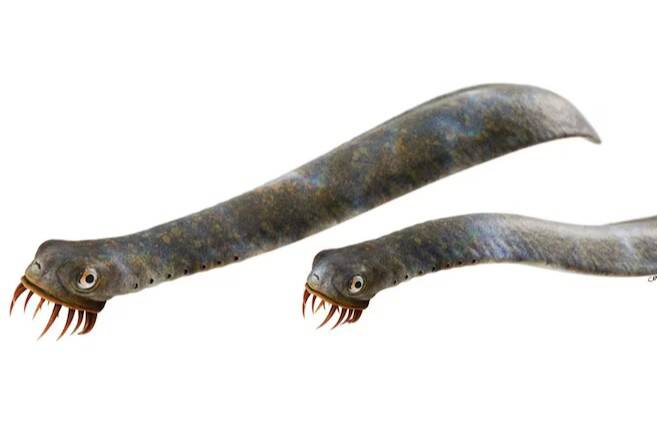
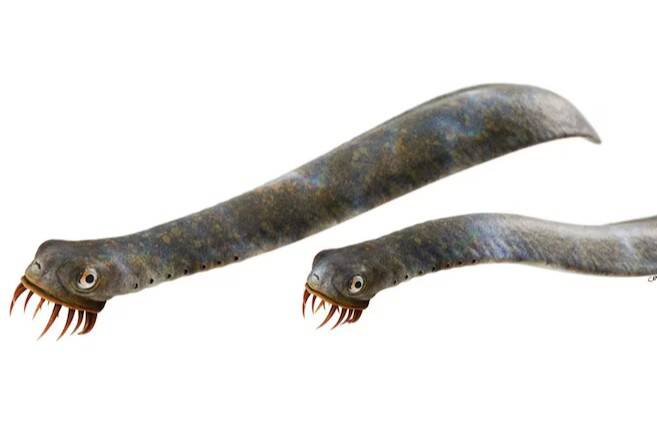
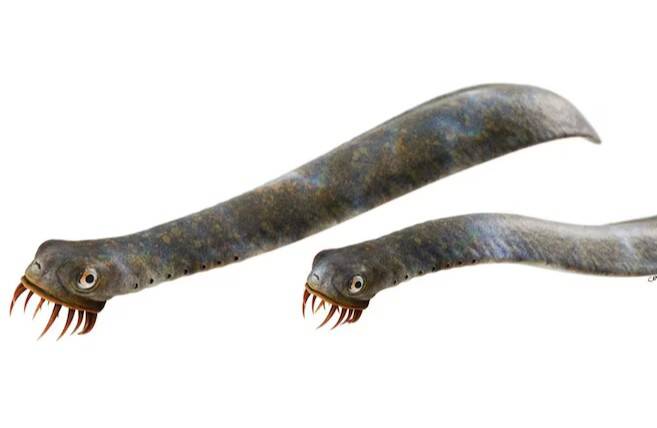
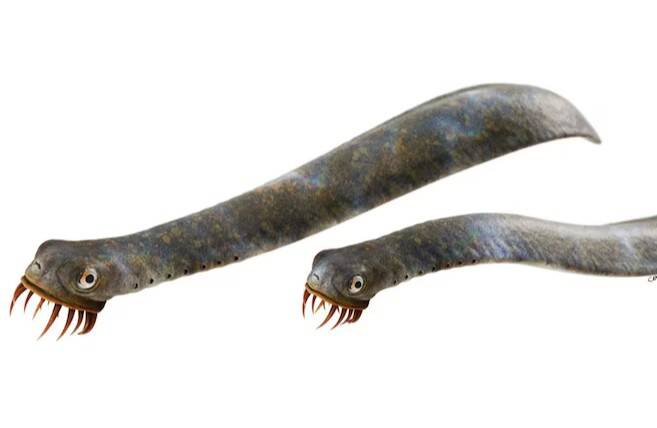
When it comes to sharp teeth, most people think of sharks or dinosaurs. These predators are known for their powerful jaws and razor-sharp teeth, which they used to catch and devour their prey. However, new research has revealed that the sharpest teeth ever belonged not to these fearsome creatures, but to a tiny, jawless marine animal called conodonts. These ancient animals lived hundreds of millions of years ago, and their microscopic tooth elements were sharper than modern animal teeth and even steel blades.
Conodonts were small, eel-like creatures that lived during the Paleozoic and Triassic periods, around 500-200 million years ago. They were one of the most abundant and widespread groups of animals during this time, and their fossils can be found in rocks all over the world. Despite their small size, conodonts played a crucial role in the ocean ecosystem, serving as both predators and prey for other animals.
The study, which was published in a recent scientific journal, analyzed the microscopic tooth elements of conodonts using advanced imaging techniques. The researchers found that these teeth were made of a hard, resistant material that was perfectly adapted for catching and eating prey. The teeth were also incredibly sharp, with some specimens showing a sharpness that was comparable to, or even exceeded, that of modern steel blades.
But what makes conodont teeth so special? According to the researchers, it’s all about the design. Conodont teeth were made up of a unique combination of materials, including calcium phosphate and organic compounds. This combination gave the teeth their exceptional hardness and sharpness, allowing conodonts to catch and eat a wide range of prey, from small fish to plankton.
The study also found that conodont teeth were highly efficient, with a sharpness that was optimized for cutting and piercing. This is in contrast to modern animal teeth, which are often more blunt and are designed for crushing and grinding. The researchers believe that the sharpness of conodont teeth was an adaptation for their environment, where they needed to be able to catch and eat prey quickly and efficiently in order to survive.
But how did conodonts manage to develop such sharp teeth? According to the researchers, it’s all about evolution. Over time, conodonts evolved to develop teeth that were better suited to their environment and their diet. This involved the development of new materials and structures, such as the unique combination of calcium phosphate and organic compounds that made up their teeth.
The study of conodont teeth has also shed light on the evolution of teeth in general. The researchers found that conodont teeth were highly specialized, with a unique combination of materials and structures that were perfectly adapted to their environment. This suggests that the evolution of teeth is a complex and highly specialized process, with different animals developing different types of teeth that are suited to their specific needs and environments.
In addition to their sharpness, conodont teeth were also highly durable. The researchers found that the teeth were resistant to wear and tear, and were able to withstand the stresses and strains of eating and catching prey. This is in contrast to modern animal teeth, which are often more prone to wear and tear, and may need to be replaced over time.
The discovery of conodont teeth has also raised interesting questions about the evolution of predator-prey relationships. The researchers found that conodonts were likely apex predators in their ecosystem, using their sharp teeth to catch and eat a wide range of prey. This suggests that conodonts played a crucial role in shaping the evolution of other animals, and may have driven the development of new defense mechanisms and strategies.
In conclusion, the discovery of conodont teeth is a significant one, and has shed new light on the evolution of teeth and the biology of ancient animals. The study of conodont teeth has also raised interesting questions about the evolution of predator-prey relationships, and has highlighted the importance of understanding the complex interactions between different species in an ecosystem.
The research has also sparked interest in the potential applications of conodont tooth design. The unique combination of materials and structures that made up conodont teeth could potentially be used to develop new materials and technologies, such as sharper and more durable cutting tools.
Overall, the study of conodont teeth is a fascinating one, and has revealed a new and exciting chapter in the history of life on Earth. By studying these ancient animals and their remarkable teeth, we can gain a deeper understanding of the evolution of life and the complex interactions between different species in an ecosystem.
About the Author