Tiny ancient animal had sharpest teeth ever, study finds
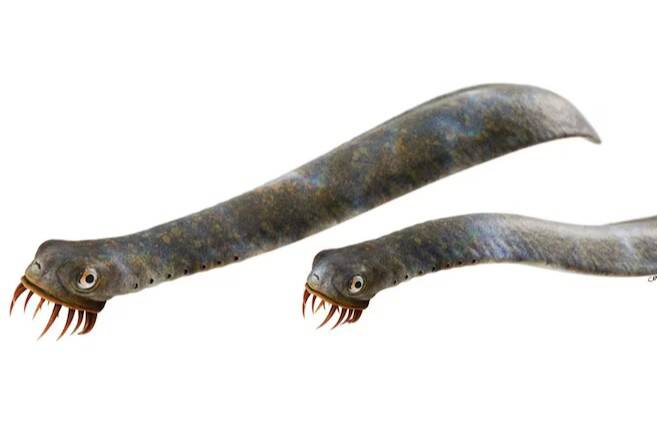
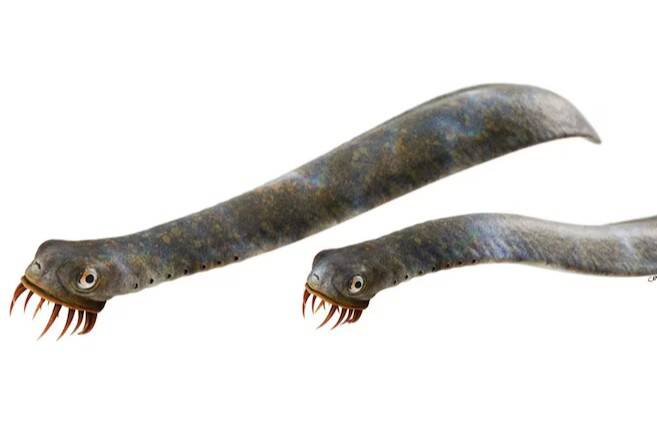
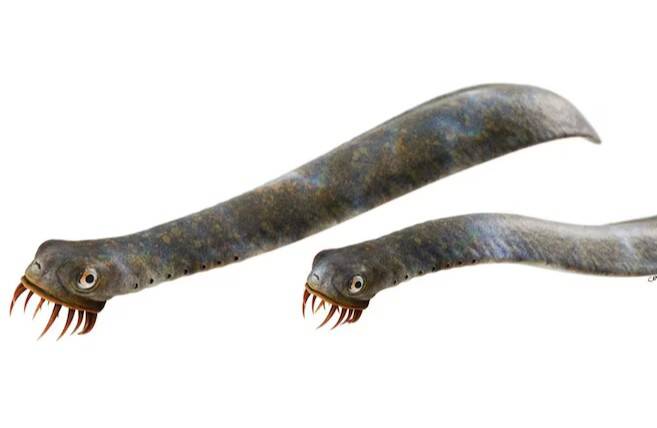
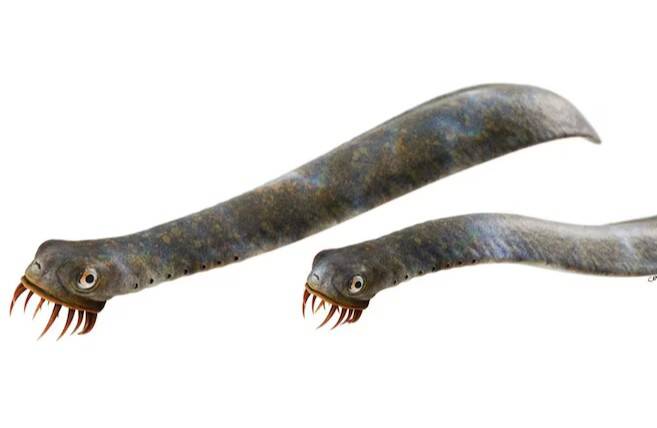
When we think of the sharpest teeth in the animal kingdom, we often imagine fierce predators like sharks or dinosaurs. However, new research has revealed that the sharpest teeth ever belonged to a tiny, jawless marine animal called conodonts. These ancient creatures, which lived over 500 million years ago, had microscopic tooth elements that were sharper than modern animal teeth and even steel blades.
Conodonts were small, eel-like animals that were abundant in the oceans during the Paleozoic Era. Despite their small size, they played a crucial role in the marine ecosystem, serving as both predators and prey for other animals. One of the most distinctive features of conodonts was their unique dental structure, which consisted of numerous tiny tooth elements that were embedded in their mouth.
Researchers from the University of Bristol, in collaboration with the University of Birmingham, conducted a detailed analysis of conodont fossil remains to study their tooth structure. Using advanced imaging techniques, such as scanning electron microscopy and X-ray computed tomography, they were able to visualize the microscopic tooth elements in unprecedented detail.
The results of the study were astonishing. The researchers found that the tooth elements of conodonts were not only incredibly sharp but also had a unique shape that allowed them to function with remarkable efficiency. The teeth were shaped like tiny triangles, with a sharp apex and a flat base that provided stability and support. This design enabled conodonts to grasp and manipulate their food with ease, making them formidable predators in their ecosystem.
But what’s even more remarkable is that the tooth elements of conodonts were sharper than any modern animal teeth, including those of sharks and other predators. In fact, the researchers found that the teeth of conodonts were even sharper than steel blades, which are renowned for their sharpness and durability.
So, how did conodonts manage to develop such incredibly sharp teeth? According to the researchers, it’s all about the unique composition of their tooth elements. Conodont teeth were made of a hard, resistant material called apatite, which is a type of calcium phosphate. This material is still found in the teeth of many modern animals, but the way it was arranged in conodont teeth was truly unique.
The researchers found that the apatite in conodont teeth was organized in a specific pattern, with tiny crystals of apatite arranged in a hierarchical structure. This structure provided exceptional strength and hardness, allowing the teeth to maintain their sharpness even after prolonged use.
The discovery of conodonts’ incredibly sharp teeth has significant implications for our understanding of the evolution of dental structures in animals. It suggests that even the tiniest creatures can develop remarkable adaptations that allow them to thrive in their environments. Moreover, the unique composition of conodont teeth provides valuable insights into the development of hard, resistant materials in biology.
The study’s findings also have potential applications in fields such as materials science and engineering. By understanding how conodonts developed their incredibly sharp teeth, researchers may be able to design new materials that mimic the properties of apatite. This could lead to the development of new technologies, such as advanced cutting tools or medical implants.
In conclusion, the discovery of conodonts’ incredibly sharp teeth is a remarkable example of the ingenuity and adaptability of ancient animals. These tiny, jawless creatures may have lived over 500 million years ago, but their legacy lives on in the form of their remarkable dental structure. As scientists, we can learn a great deal from the study of conodonts and their unique adaptations, and who knows, we may even be inspired to develop new technologies that push the boundaries of what is possible.
About the Author