NVIDIA asks for full upfront payment for chips from Chinese buyers
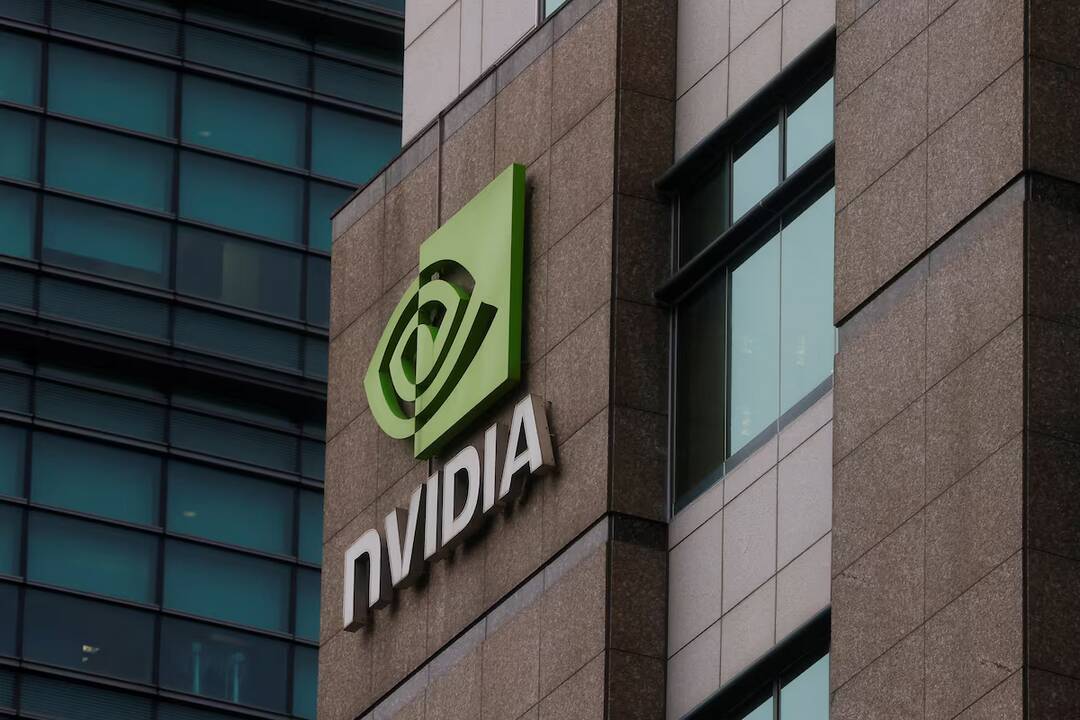
In a significant development, NVIDIA, the leading American technology company, has made a major change in its payment policy for Chinese customers buying its H200 AI chips. According to a recent report by Reuters, NVIDIA is now seeking full upfront payment from its Chinese clients, with no options to cancel, ask for refunds, or change configurations after the placement of orders. This move marks a departure from the company’s earlier policy, which allowed clients to place a deposit rather than making full payment upfront.
The H200 AI chips are a crucial component in the development of artificial intelligence (AI) technology, and NVIDIA’s decision to demand full payment upfront is likely to have significant implications for the Chinese tech industry. The move comes amid a lack of clarity on whether Chinese regulators would allow the shipments of these chips, given the ongoing geopolitical tensions between the United States and China.
The change in payment policy is seen as a way for NVIDIA to mitigate potential risks associated with selling its high-tech products to Chinese companies. The US government has been increasingly scrutinizing the export of advanced technology to China, citing national security concerns. As a result, NVIDIA may be seeking to protect itself from potential losses in case the shipments are blocked or delayed.
For Chinese customers, the new payment policy may pose significant challenges. Paying the full amount upfront for a product that may not be delivered or may be subject to changes in configuration can be a significant risk. It may also limit the ability of Chinese companies to negotiate with NVIDIA or seek refunds in case of any issues with the product.
The implications of NVIDIA’s decision are far-reaching and may have significant consequences for the global tech industry. The move may be seen as a reflection of the increasingly complex and uncertain geopolitical landscape, where companies are being forced to navigate complex regulatory requirements and national security concerns.
The H200 AI chips are a critical component in the development of AI technology, which is seen as a key driver of future economic growth. The ability of Chinese companies to access these chips is crucial for the development of their own AI capabilities, which are seen as essential for competing in the global tech industry.
However, the US government has been increasingly concerned about the potential risks associated with the export of advanced technology to China. The government has imposed significant restrictions on the export of certain technologies, including AI chips, citing national security concerns.
In this context, NVIDIA’s decision to demand full upfront payment from Chinese customers may be seen as a way to comply with US regulatory requirements. The company may be seeking to demonstrate its commitment to complying with US export control laws and regulations, which are designed to prevent the transfer of sensitive technologies to countries that may pose a national security risk.
The move may also be seen as a way for NVIDIA to protect its own interests and mitigate potential risks associated with selling its products to Chinese companies. The company may be concerned about the potential risks of non-payment or delayed payment, which could have significant financial implications.
In conclusion, NVIDIA’s decision to demand full upfront payment from Chinese customers buying its H200 AI chips is a significant development that reflects the increasingly complex and uncertain geopolitical landscape. The move may have significant implications for the global tech industry and may pose challenges for Chinese companies seeking to access advanced AI technology.
As the global tech industry continues to evolve, it is likely that we will see more companies navigating complex regulatory requirements and national security concerns. The ability of companies to adapt to these changes and mitigate potential risks will be crucial for their success in the global market.
About the Author