Tiny ancient animal had sharpest teeth ever, study finds
When we think of sharp teeth, our minds often wander to the likes of sharks and dinosaurs, creatures notorious for their formidable dental arsenal. However, new research has turned this notion on its head, revealing that the sharpest teeth ever belonged not to these behemoths, but to tiny, jawless marine animals called conodonts. These ancient creatures, which swam in the oceans over 500 million years ago, have been found to possess microscopic tooth elements that surpass the sharpness of modern animal teeth and even steel blades.
The discovery was made through a painstaking analysis of conodont fossils, which were first discovered in the 19th century. Despite their small size, conodonts have been a subject of fascination for paleontologists and scientists due to their unique anatomy and enigmatic nature. The latest study, which employed advanced imaging techniques and computer simulations, has shed new light on the remarkable properties of conodont teeth.
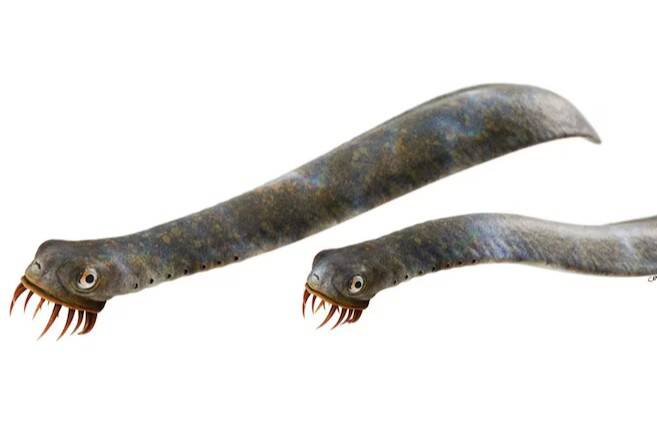
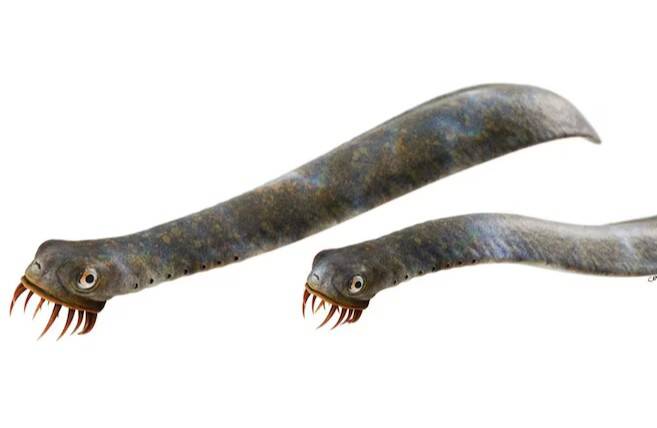
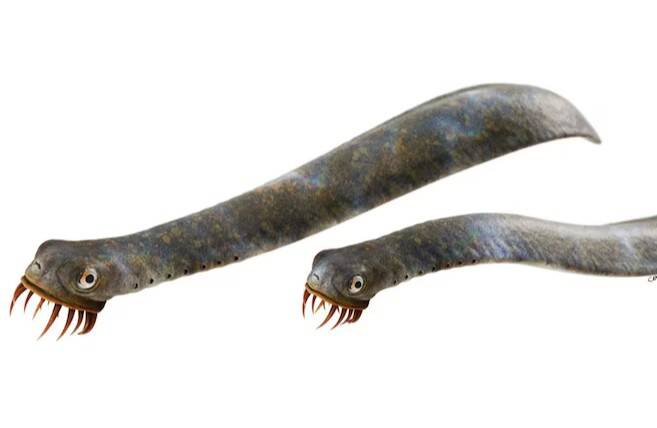
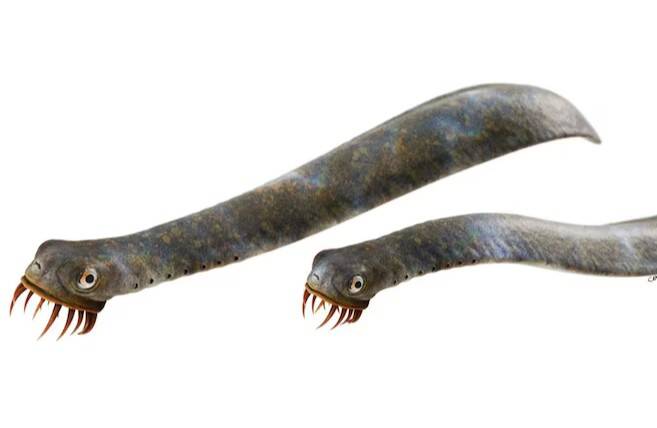
Conodonts were eel-like creatures that measured only a few centimeters in length. They were among the first vertebrates to evolve on Earth and are considered one of the most important groups of fossils for understanding the early history of life on our planet. Despite their primitive appearance, conodonts were surprisingly well-adapted to their environment, with a sophisticated feeding apparatus that allowed them to capture and process food with remarkable efficiency.
The key to conodonts’ success lay in their teeth, which were composed of tiny, needle-like structures called denticles. These denticles were made of a hard, wear-resistant material that was perfectly suited for grasping and tearing at prey. But what’s truly remarkable about conodont teeth is their sharpness. According to the study, the microscopic tooth elements of conodonts were sharper than any modern animal teeth, including those of sharks and sharks’ teeth, which are renowned for their razor-sharp edges.
In fact, the researchers found that conodont teeth were even sharper than steel blades, which are manufactured using advanced technologies and materials. This is a remarkable achievement, considering that conodonts evolved hundreds of millions of years ago, long before the advent of human technology. The study’s findings suggest that conodonts pushed the biological and material limits of tooth design, creating a feeding apparatus that was unparalleled in its time.
So, how did conodonts manage to create such sharp teeth? The answer lies in the unique composition of their denticles, which were made of a hard, calcium phosphate-based material. This material, which is still not fully understood, allowed conodonts to create teeth that were not only sharp but also incredibly durable. The researchers believe that the secret to conodonts’ tooth sharpness lies in the precise arrangement of their denticles, which were angled and shaped in such a way as to maximize their cutting efficiency.
The discovery of conodonts’ remarkable teeth has significant implications for our understanding of the evolution of life on Earth. It suggests that even the most primitive creatures were capable of evolving sophisticated adaptations that allowed them to thrive in their environments. The study also highlights the importance of studying fossilized remains, which can provide valuable insights into the biology and ecology of ancient organisms.
In conclusion, the study of conodonts’ teeth is a testament to the incredible diversity and complexity of life on Earth. These tiny, ancient animals may have been small in size, but they have left an indelible mark on our understanding of the evolution of life on our planet. As we continue to explore the natural world and uncover its secrets, we are reminded of the awe-inspiring ingenuity and adaptability of the creatures that inhabit it.
About the Author