Tiny ancient animal had sharpest teeth ever, study finds
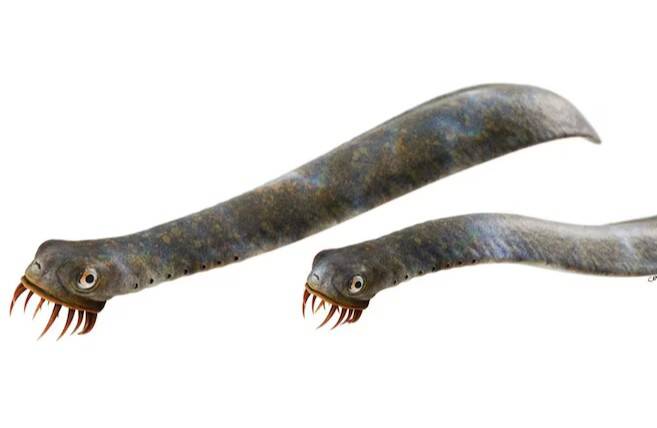
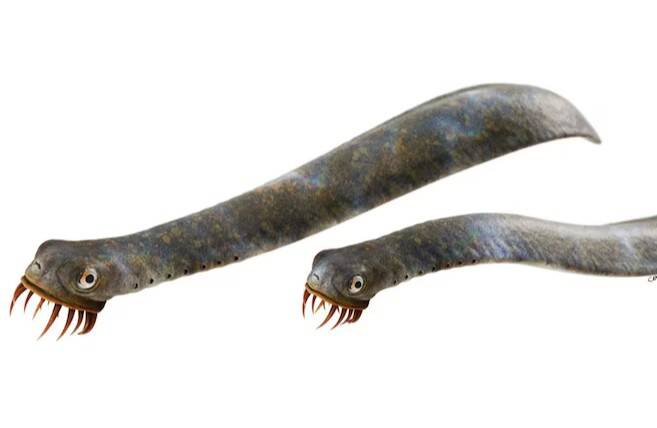
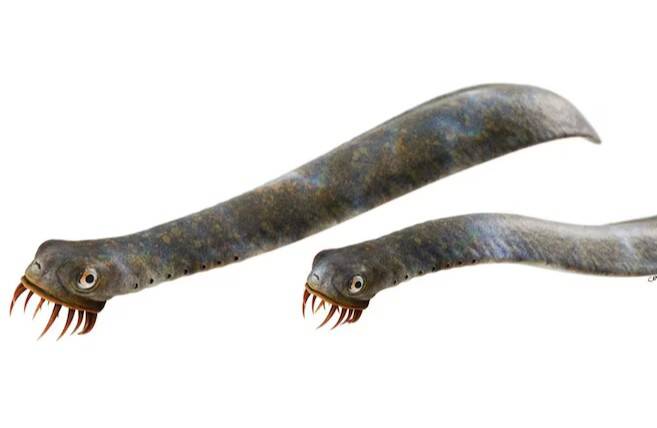
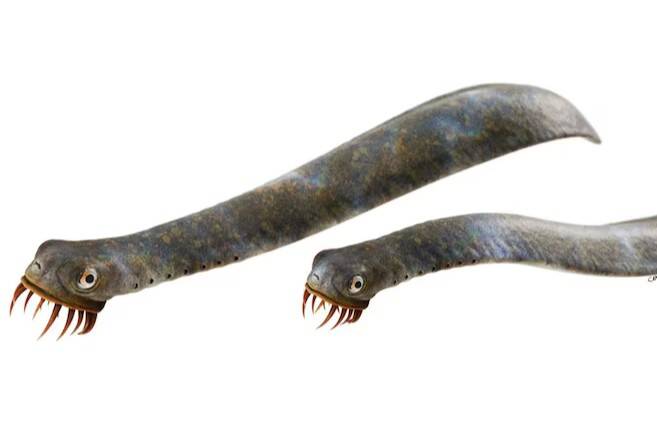
When we think of sharp teeth, our minds often wander to the likes of sharks and dinosaurs, creatures known for their formidable biting abilities. However, new research has revealed that the sharpest teeth ever belonged to a tiny, jawless marine animal called conodonts. These ancient creatures, which lived hundreds of millions of years ago, had microscopic tooth elements that were sharper than modern animal teeth and even steel blades.
Conodonts were small, eel-like animals that dominated the oceans during the Paleozoic and Triassic periods. Despite their small size, they played a crucial role in the marine ecosystem, serving as both predators and prey for other animals. One of the most distinctive features of conodonts was their teeth, which were made up of tiny, intricate elements that were used for catching and eating prey.
The study, which was conducted by a team of scientists, used advanced fossil analysis techniques to examine the teeth of conodonts. The researchers found that the microscopic tooth elements of conodonts were made of a hard, wear-resistant material that was perfectly suited for biting and tearing flesh. The teeth were also incredibly sharp, with some elements having a sharpness that exceeded that of modern animal teeth and even steel blades.
The sharpness of conodont teeth is a remarkable example of evolutionary adaptation. These tiny animals lived in a competitive environment where the ability to catch and eat prey quickly was essential for survival. The development of sharp teeth allowed conodonts to thrive in this environment, and their success can be seen in the fact that they dominated the oceans for hundreds of millions of years.
But how did conodonts manage to develop such sharp teeth? The answer lies in the unique structure of their tooth elements. Conodont teeth were made up of a hard, outer layer that was composed of a material called apatite. This layer was extremely hard and wear-resistant, allowing the teeth to withstand the stresses of biting and tearing flesh. The outer layer was also incredibly thin, which allowed it to be sharpened to a razor-like edge.
The study also found that the tooth elements of conodonts were designed to be self-sharpening. As the teeth wore down, the outer layer would fracture and break away, revealing a new, sharp edge underneath. This self-sharpening mechanism allowed conodonts to maintain their sharp teeth throughout their lives, giving them a significant advantage over other predators.
The discovery of conodonts’ sharp teeth has significant implications for our understanding of evolutionary biology. The development of sharp teeth in these tiny animals pushes the boundaries of what we thought was biologically possible. The fact that conodonts were able to develop teeth that were sharper than modern animal teeth and even steel blades is a testament to the incredible diversity and adaptability of life on Earth.
The study also has implications for materials science. The unique structure and composition of conodont teeth could inspire the development of new materials and technologies. For example, the self-sharpening mechanism of conodont teeth could be used to develop new cutting tools and machines that are able to maintain their sharpness over time.
In conclusion, the discovery of conodonts’ sharp teeth is a remarkable example of evolutionary adaptation and biological innovation. These tiny, ancient animals were able to develop teeth that were sharper than modern animal teeth and even steel blades, giving them a significant advantage in their environment. The study of conodonts and their teeth has significant implications for our understanding of evolutionary biology and materials science, and could inspire the development of new technologies and innovations.
About the Author