Tiny ancient animal had sharpest teeth ever, study finds
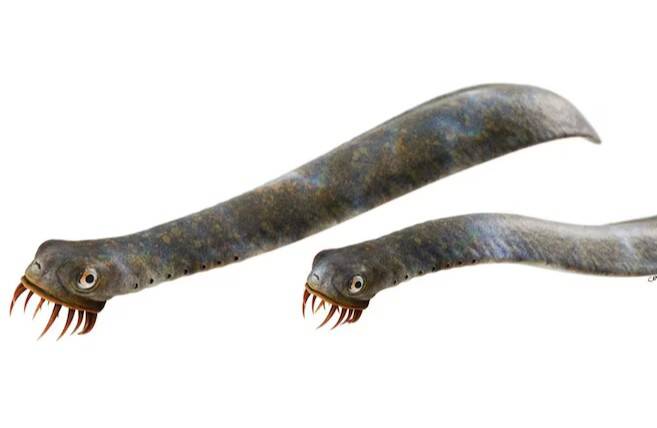
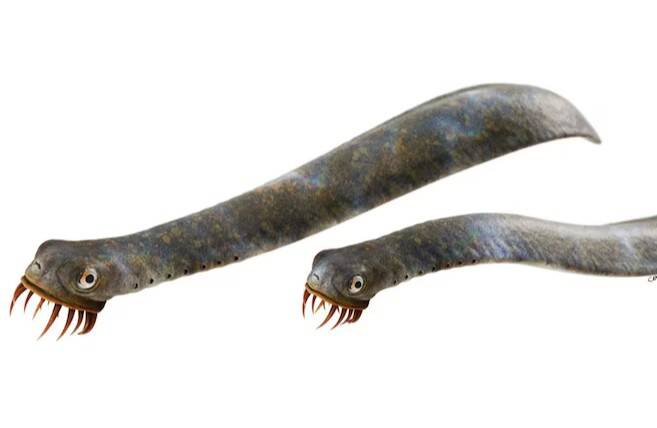
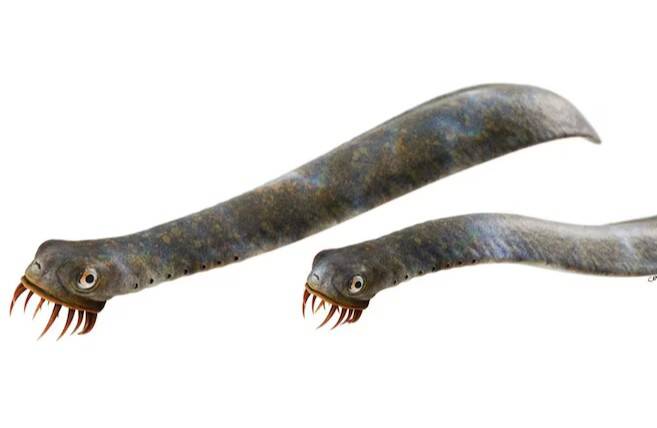
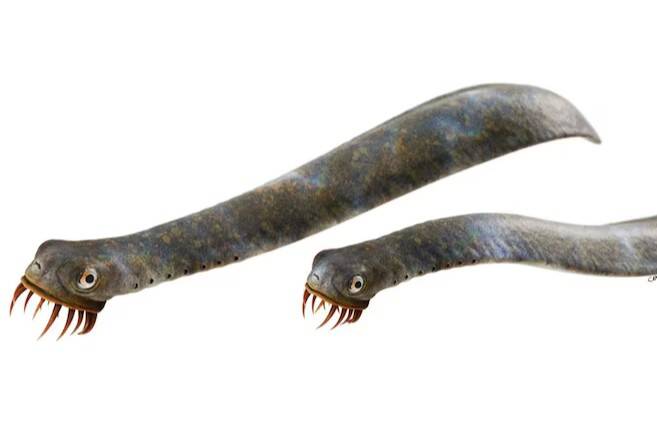
For centuries, the title of “sharpest teeth” has been associated with formidable predators like sharks and dinosaurs. However, a recent study has turned this notion on its head, revealing that the sharpest teeth ever belonged to a tiny, jawless marine animal called conodonts. These microscopic creatures, which lived hundreds of millions of years ago, have been found to possess tooth elements that surpass the sharpness of modern animal teeth and even steel blades.
Conodonts were a group of eel-like animals that dominated the oceans during the Paleozoic and Triassic periods, around 500-200 million years ago. Despite their small size, they played a crucial role in the marine food chain, serving as both predators and prey for other animals. One of the most distinctive features of conodonts was their unique dental structure, which consisted of a pair of tooth-like elements called conodont elements.
These conodont elements were tiny, measuring only a few millimeters in length, but they were incredibly complex and sophisticated. Each element was composed of a hard, calcium phosphate-based material that was similar to the enamel found in human teeth. However, the conodont elements were much sharper and more delicate than any modern tooth, with some specimens exhibiting a sharpness that rivaled that of a razor blade.
The study, which was conducted by a team of researchers from the University of Bristol, used advanced imaging techniques to analyze the conodont elements in unprecedented detail. By using scanning electron microscopy and other methods, the scientists were able to create high-resolution images of the tooth elements, revealing their intricate structure and remarkable sharpness.
The results of the study were nothing short of astonishing. The conodont elements were found to have a sharpness that exceeded that of any modern animal tooth, including those of sharks and dolphins. In fact, the scientists discovered that the conodont elements were even sharper than steel blades, which are often considered to be among the sharpest man-made materials.
So, how did these tiny animals manage to develop such incredibly sharp teeth? According to the researchers, the secret to the conodonts’ sharpness lay in their unique dental structure. Unlike modern teeth, which are composed of a single, solid material, the conodont elements were made up of a series of tiny, interlocking plates. These plates were arranged in a specific pattern, allowing the conodonts to achieve an extraordinary level of sharpness and flexibility.
The study’s findings have significant implications for our understanding of the evolution of dental structures in ancient animals. The conodonts’ sharp teeth, which were likely used for catching and eating prey, represent a remarkable example of evolutionary adaptation, where a species develops a unique trait that allows it to thrive in its environment.
The discovery of the conodonts’ sharp teeth also raises interesting questions about the limits of biological and material design. The fact that these tiny animals were able to develop teeth that surpassed the sharpness of modern animal teeth and even steel blades suggests that there may be more to learn from nature about the design of sharp, durable materials.
In conclusion, the study of conodonts and their incredibly sharp teeth is a fascinating reminder of the wonders of the natural world. These tiny, ancient animals may have been small in size, but their impact on our understanding of evolutionary biology and material science is likely to be significant. As scientists continue to study the conodonts and their remarkable dental structures, we may uncover even more secrets about the design of sharp, durable materials and the limits of biological and material design.
About the Author