NVIDIA asks for full upfront payment for chips from Chinese buyers
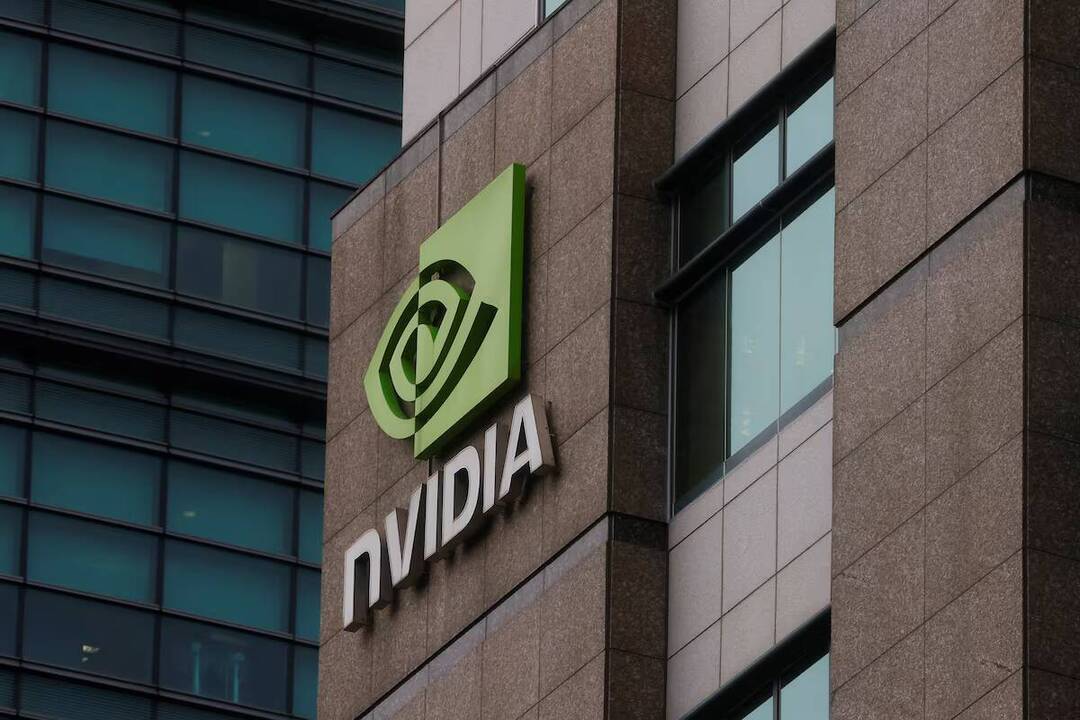
The global semiconductor industry has been witnessing a significant shift in recent times, with the ongoing geopolitical tensions between the United States and China playing a major role in shaping the market dynamics. In a recent development, NVIDIA, the American technology company, has taken a drastic step by asking its Chinese customers to make full upfront payments for its H200 AI chips. This move has raised eyebrows in the industry, and it is being seen as a strategic decision by the company to mitigate potential risks.
According to a report by Reuters, NVIDIA is no longer allowing its Chinese customers to place a deposit for the H200 AI chips, which were earlier available with the option to cancel or change configurations after placement. The new policy requires customers to make full payment upfront, with no options to cancel, ask for refunds, or change configurations after the payment has been made. This move is seen as a significant departure from the company’s earlier policy, where clients could place a deposit rather than making full payment upfront.
The H200 AI chip is a high-performance chip designed for artificial intelligence applications, and it has been in high demand from Chinese customers. However, the ongoing trade tensions between the US and China have created uncertainty around the shipment of these chips to Chinese customers. The US government has been imposing restrictions on the export of advanced technology to China, citing national security concerns. As a result, NVIDIA is taking a cautious approach to ensure that it complies with all regulatory requirements.
The lack of clarity on whether Chinese regulators would allow the shipments of H200 AI chips is another factor that has contributed to NVIDIA’s decision. The company is taking a proactive approach to manage the risks associated with the shipment of these chips to Chinese customers. By asking for full upfront payment, NVIDIA is ensuring that it receives the payment for the chips before they are shipped, thereby minimizing the risk of non-payment or cancellation.
This move by NVIDIA is also seen as a reflection of the broader geopolitical tensions between the US and China. The trade war between the two countries has been ongoing for several years, and it has had a significant impact on the global technology industry. The US government has been imposing restrictions on the export of advanced technology to China, citing national security concerns. As a result, companies like NVIDIA are taking a cautious approach to ensure that they comply with all regulatory requirements.
The implications of NVIDIA’s move are significant, and they could have a ripple effect on the global semiconductor industry. The company’s decision to ask for full upfront payment from Chinese customers could set a precedent for other companies in the industry. It could also lead to a shift in the way companies manage their supply chains and mitigate risks associated with geopolitical tensions.
In conclusion, NVIDIA’s decision to ask for full upfront payment from Chinese customers buying its H200 AI chips is a significant development in the global semiconductor industry. The move reflects the ongoing geopolitical tensions between the US and China and the uncertainty around the shipment of advanced technology to Chinese customers. As the industry continues to evolve, companies like NVIDIA will need to take proactive steps to manage risks and comply with regulatory requirements.
About the Author