NVIDIA asks for full upfront payment for chips from Chinese buyers
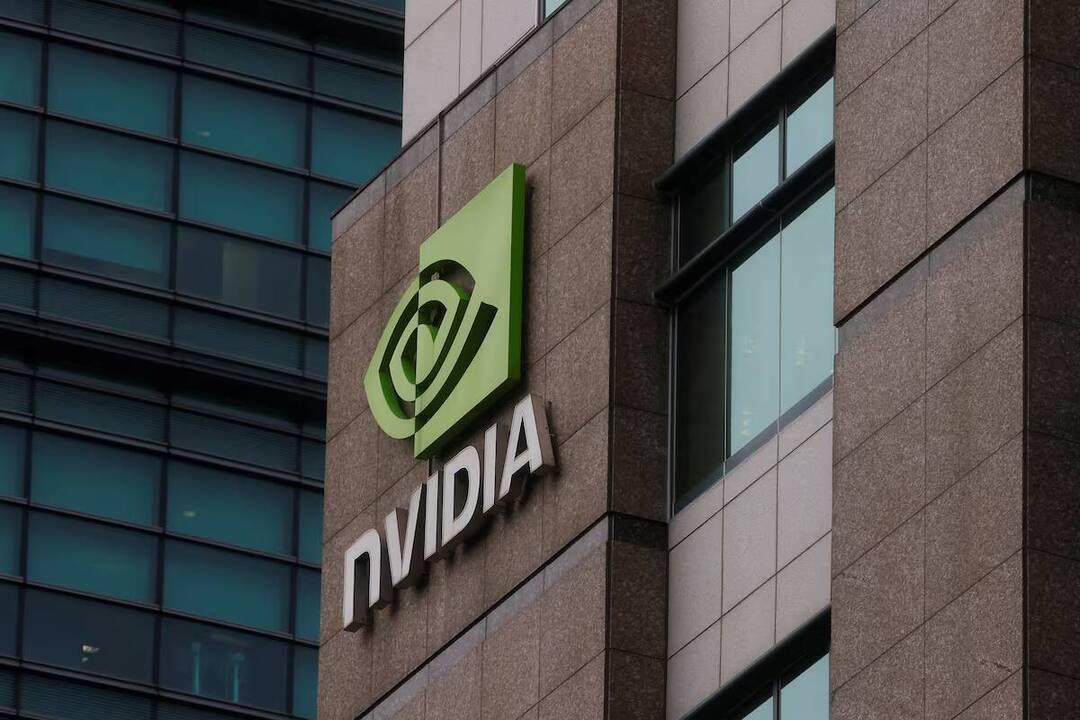
The global semiconductor industry has been witnessing significant fluctuations in recent times, primarily due to the ongoing geopolitical tensions between the United States and China. One of the key players in this industry, NVIDIA, has taken a decisive step that reflects the uncertainty and caution that prevails in the market. According to a recent report by Reuters, NVIDIA is now seeking full upfront payment from Chinese customers buying its H200 AI chips. This move marks a significant shift from the company’s previous policy, which allowed clients to place a deposit rather than making full payment upfront.
The H200 AI chips are a crucial component in the development of various artificial intelligence (AI) applications, and their demand has been on the rise in recent years. However, the current geopolitical landscape has introduced a level of uncertainty that has prompted NVIDIA to adopt a more cautious approach. By demanding full upfront payment, the company is essentially trying to mitigate the risks associated with potential cancellations or changes in configurations after the placement of orders.
The lack of clarity on whether Chinese regulators would allow the shipments of these AI chips is a major concern for NVIDIA. The company’s move can be seen as a strategic decision to protect its interests in the face of uncertainty. By requiring full payment upfront, NVIDIA is ensuring that it receives the necessary funds for the chips, regardless of whether the shipments are ultimately allowed or not.
This development is also a reflection of the broader tensions between the United States and China, which have been impacting the global technology industry. The US government has been imposing various restrictions on Chinese companies, citing national security concerns, and this has led to a significant increase in tensions between the two nations. The semiconductor industry, in particular, has been at the forefront of these tensions, with companies like NVIDIA and others being affected by the restrictions.
The implications of NVIDIA’s decision are far-reaching and could have a significant impact on the Chinese technology industry. Many Chinese companies rely heavily on NVIDIA’s AI chips for their operations, and the requirement for full upfront payment could create significant cash flow challenges for these companies. Additionally, the lack of flexibility in terms of cancellations or changes in configurations could limit the ability of Chinese companies to adapt to changing market conditions.
It is worth noting that NVIDIA’s decision is not unique to the company. Other semiconductor manufacturers have also been adopting similar strategies to mitigate the risks associated with the current geopolitical landscape. The industry as a whole is becoming increasingly cautious, and companies are taking steps to protect their interests in the face of uncertainty.
In conclusion, NVIDIA’s decision to demand full upfront payment for its H200 AI chips from Chinese buyers reflects the level of uncertainty and caution that prevails in the global semiconductor industry. The lack of clarity on whether Chinese regulators would allow the shipments of these chips has prompted the company to adopt a more cautious approach, and the implications of this decision could be significant for the Chinese technology industry. As the geopolitical tensions between the United States and China continue to evolve, it is likely that we will see more companies adopting similar strategies to mitigate the risks associated with the current landscape.
About the Author