NVIDIA asks for full upfront payment for chips from Chinese buyers
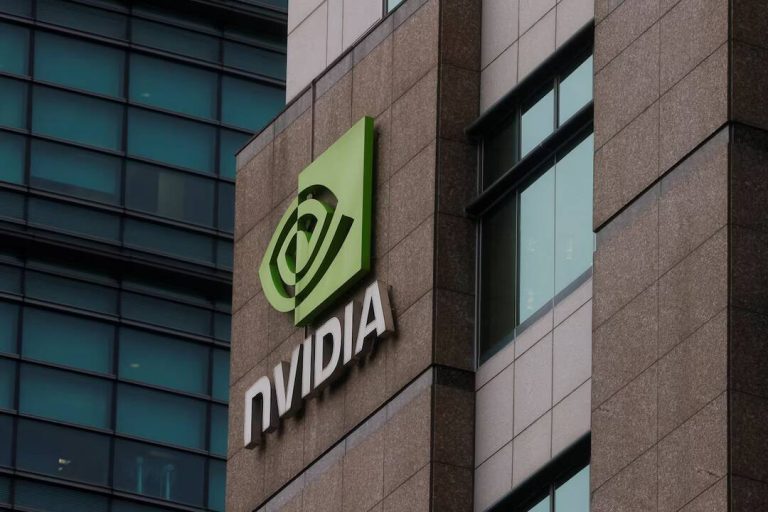
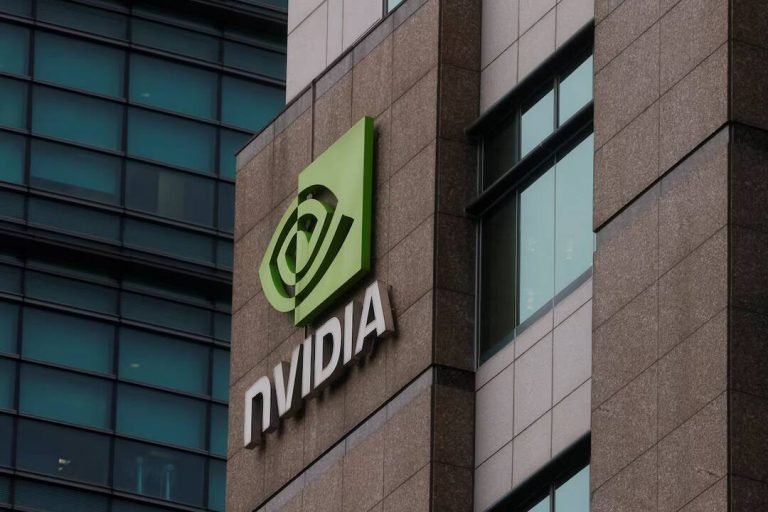
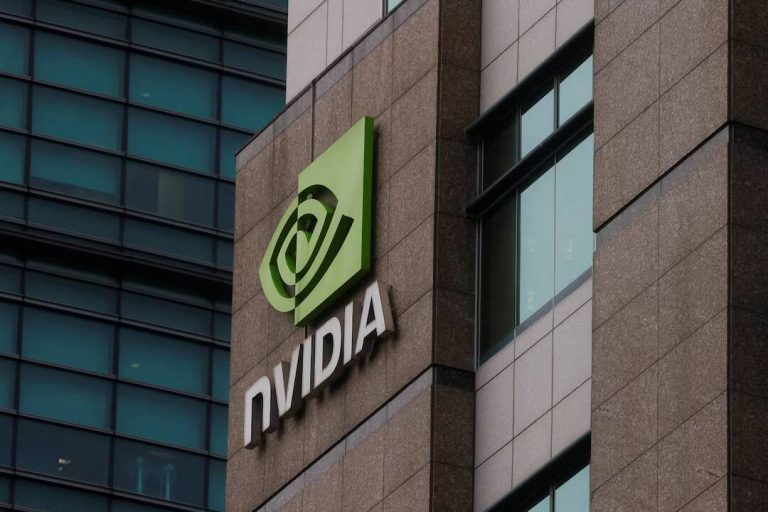
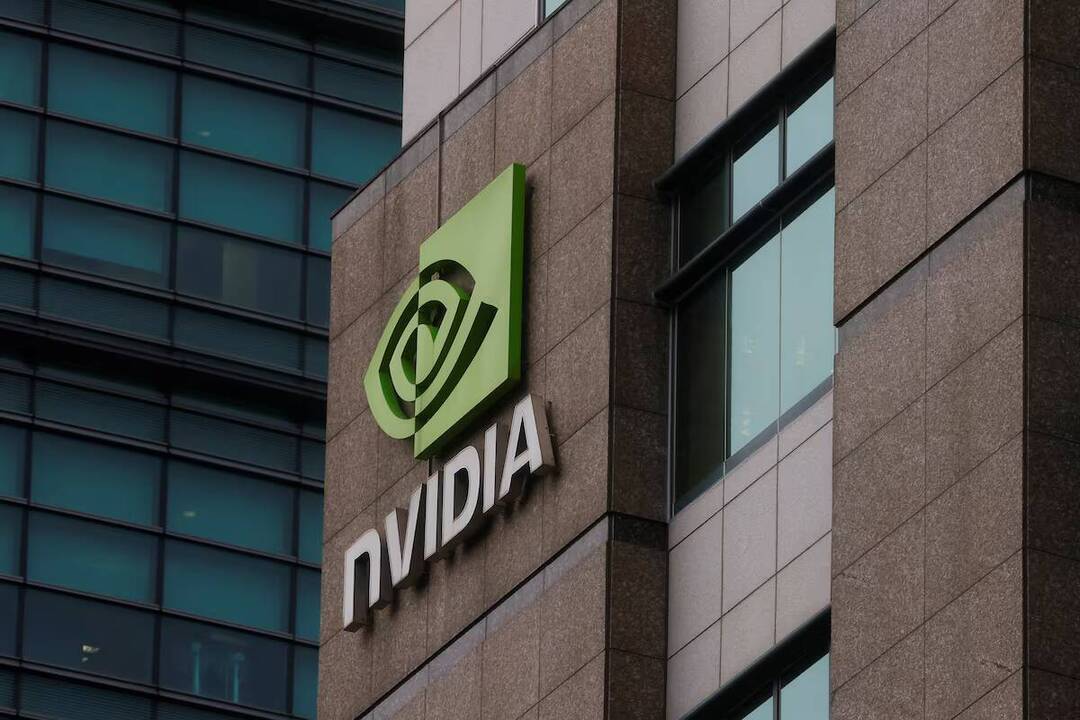
In a significant development, NVIDIA, the renowned American technology company, has introduced a new payment policy for its Chinese customers purchasing H200 AI chips. According to a recent report by Reuters, NVIDIA is now seeking full upfront payment from Chinese buyers, with no options to cancel, ask for refunds, or change configurations after placement. This move marks a departure from the company’s previous policy, which allowed clients to place a deposit rather than make full payment upfront.
The H200 AI chip is a high-performance computing chip designed for artificial intelligence applications, and its demand has been on the rise in recent times. However, the geopolitical tensions between the United States and China have cast a shadow over the chip’s shipments to Chinese customers. The US government has been tightening its grip on technology exports to China, citing national security concerns. As a result, NVIDIA’s move to demand full upfront payment can be seen as a strategic decision to mitigate potential risks associated with these shipments.
The lack of clarity on whether Chinese regulators would allow the shipments of H200 AI chips has prompted NVIDIA to take this step. By seeking full payment upfront, the company is essentially transferring the risk to the buyers. If the shipments are blocked or delayed, the buyers will not be able to cancel their orders or seek refunds. This move is likely to impact the sales of H200 AI chips in China, as some customers may be deterred by the new payment terms.
The geopolitical tensions between the US and China have been escalating in recent times, with technology exports being a major point of contention. The US government has been imposing restrictions on the export of advanced technologies, including AI chips, to Chinese companies. This has led to a significant increase in tensions between the two countries, with China accusing the US of trying to stifle its technological advancements.
NVIDIA’s decision to demand full upfront payment from Chinese buyers is likely to have far-reaching implications for the company’s sales in China. The H200 AI chip is a critical component in many AI applications, and its demand is expected to continue growing in the coming years. However, the new payment terms may lead to a decline in sales, as some customers may opt for alternative products or suppliers.
The move is also likely to impact the broader technology industry, as other companies may follow NVIDIA’s lead in demanding full upfront payment from Chinese customers. This could lead to a significant increase in tensions between the US and China, with potential consequences for the global economy.
In recent times, the US government has been cracking down on technology exports to China, citing national security concerns. The government has imposed restrictions on the export of advanced technologies, including AI chips, to Chinese companies. This has led to a significant increase in tensions between the two countries, with China accusing the US of trying to stifle its technological advancements.
The demand for full upfront payment from Chinese buyers is not the only challenge facing NVIDIA in China. The company has also been facing significant competition from local players, including Huawei and Baidu, which are developing their own AI chips. The competition is likely to intensify in the coming years, as the demand for AI chips continues to grow.
In conclusion, NVIDIA’s decision to demand full upfront payment from Chinese buyers is a significant development that is likely to have far-reaching implications for the company’s sales in China. The move is a response to the geopolitical tensions between the US and China, and the lack of clarity on whether Chinese regulators would allow the shipments of H200 AI chips. As the tensions between the two countries continue to escalate, it is likely that other companies will follow NVIDIA’s lead, leading to a significant increase in tensions and potential consequences for the global economy.
About the Author