NVIDIA asks for full upfront payment for chips from Chinese buyers
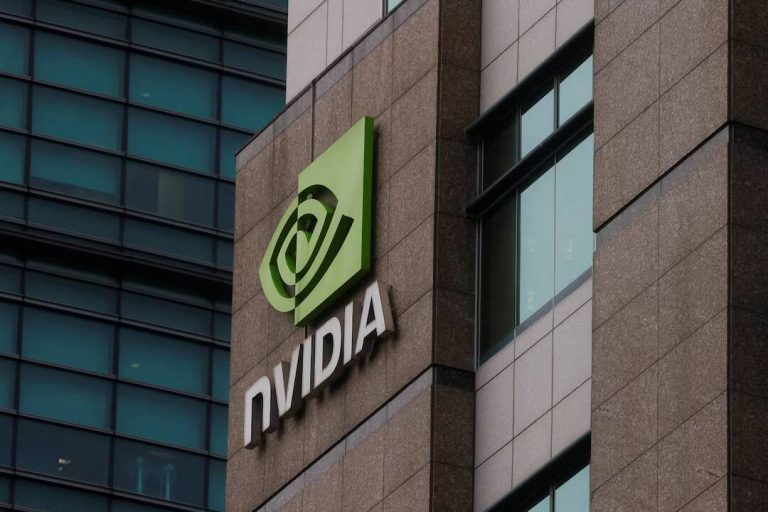
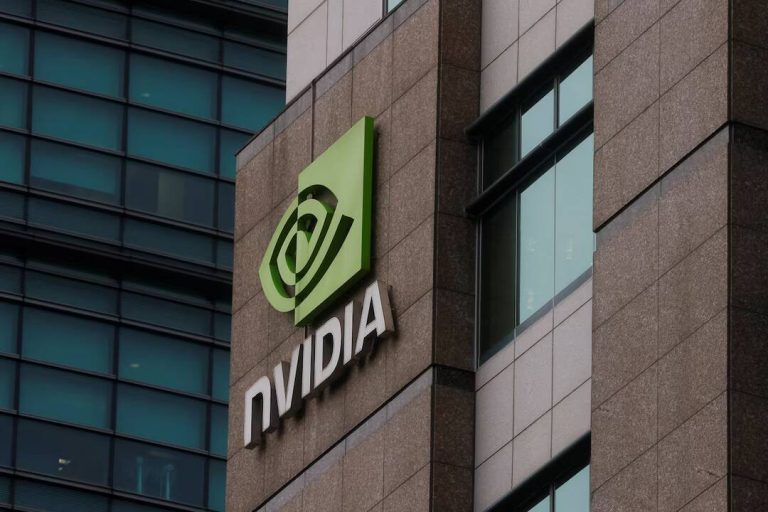
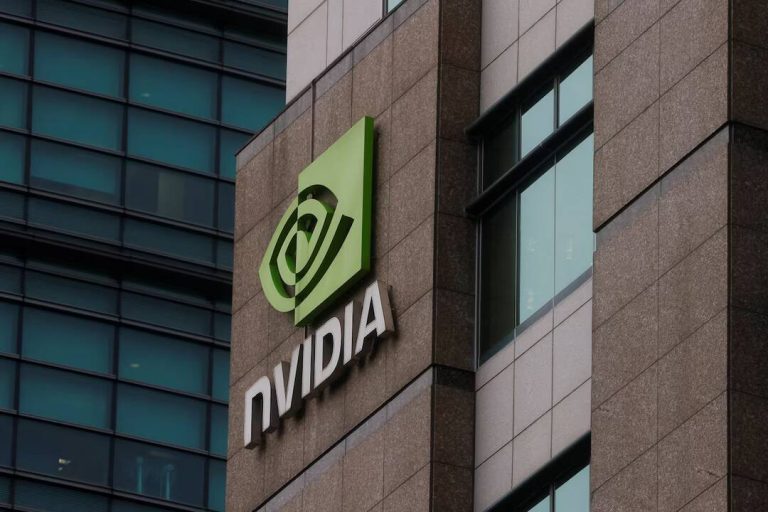
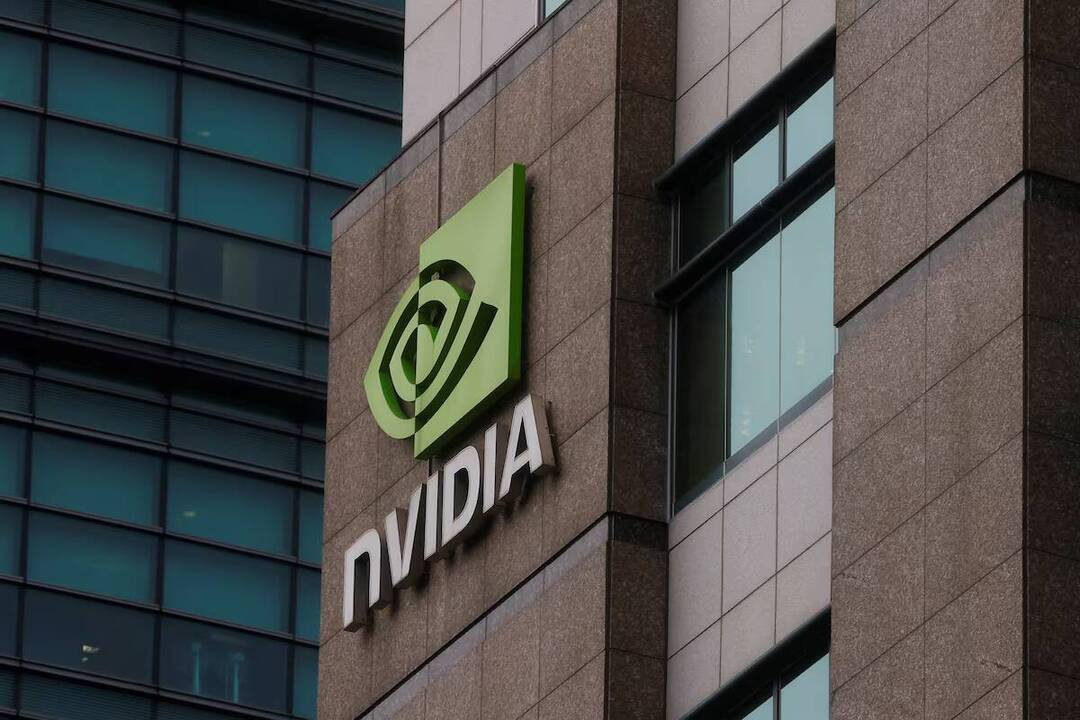
In a significant development, NVIDIA, the world’s leading graphics processing unit (GPU) manufacturer, has started demanding full upfront payment from Chinese customers for its H200 AI chips. According to a report by Reuters, the company is no longer allowing clients to place a deposit, instead requiring them to pay the full amount upfront with no options to cancel, ask for refunds, or change configurations after placement. This move comes amid a lack of clarity on whether Chinese regulators would allow the shipments, highlighting the ongoing geopolitical tensions in the tech industry.
The H200 AI chip is a high-performance processor designed for artificial intelligence (AI) and machine learning (ML) applications. It is a crucial component in many data center and cloud computing systems, and its demand has been increasing rapidly in recent years. Chinese companies, in particular, have been significant buyers of these chips, using them to power their own AI and ML initiatives.
However, the relationship between NVIDIA and its Chinese customers has become increasingly complex in recent months. The US government has imposed strict export controls on certain high-performance chips, including those used in AI and ML applications, citing national security concerns. These restrictions have created uncertainty for both NVIDIA and its Chinese customers, who are now facing significant challenges in sourcing these critical components.
NVIDIA’s decision to demand full upfront payment from Chinese buyers is likely a response to these regulatory uncertainties. By requiring customers to pay the full amount upfront, the company is essentially shifting the risk of non-payment or non-delivery to the buyer. This move also reflects the company’s efforts to minimize its exposure to potential losses or penalties arising from non-compliance with US export regulations.
The implications of this development are significant. For Chinese companies, the requirement for full upfront payment will increase their financial burden and risk. Many of these companies may not have the financial resources to pay for the chips in full, especially given the current economic uncertainty. This could lead to a decrease in demand for NVIDIA’s H200 AI chips, which would have a negative impact on the company’s revenue and profitability.
Furthermore, this move is likely to exacerbate the existing tensions between the US and China in the tech industry. The US government’s export restrictions have already created significant challenges for Chinese companies, and NVIDIA’s decision to demand full upfront payment will only add to these difficulties. This could lead to a further escalation of the trade tensions between the two countries, with potentially far-reaching consequences for the global tech industry.
In addition, this development highlights the growing importance of geopolitics in the tech industry. The relationship between technology companies and governments is becoming increasingly complex, with companies facing significant challenges in navigating the complex web of regulations and restrictions. As the tech industry continues to evolve, it is likely that we will see more examples of companies like NVIDIA taking steps to mitigate their risks and protect their interests in the face of regulatory uncertainty.
In conclusion, NVIDIA’s decision to demand full upfront payment from Chinese buyers for its H200 AI chips is a significant development in the tech industry. It reflects the company’s efforts to navigate the complex regulatory landscape and minimize its exposure to potential risks and losses. However, this move is also likely to have significant implications for Chinese companies and the broader tech industry, highlighting the growing importance of geopolitics in shaping the relationships between companies and governments.
As the tech industry continues to evolve, it is likely that we will see more examples of companies taking steps to mitigate their risks and protect their interests in the face of regulatory uncertainty. The relationship between technology companies and governments is becoming increasingly complex, and it is essential for companies to stay ahead of the curve and adapt to the changing regulatory landscape.
About the Author