NVIDIA asks for full upfront payment for chips from Chinese buyers
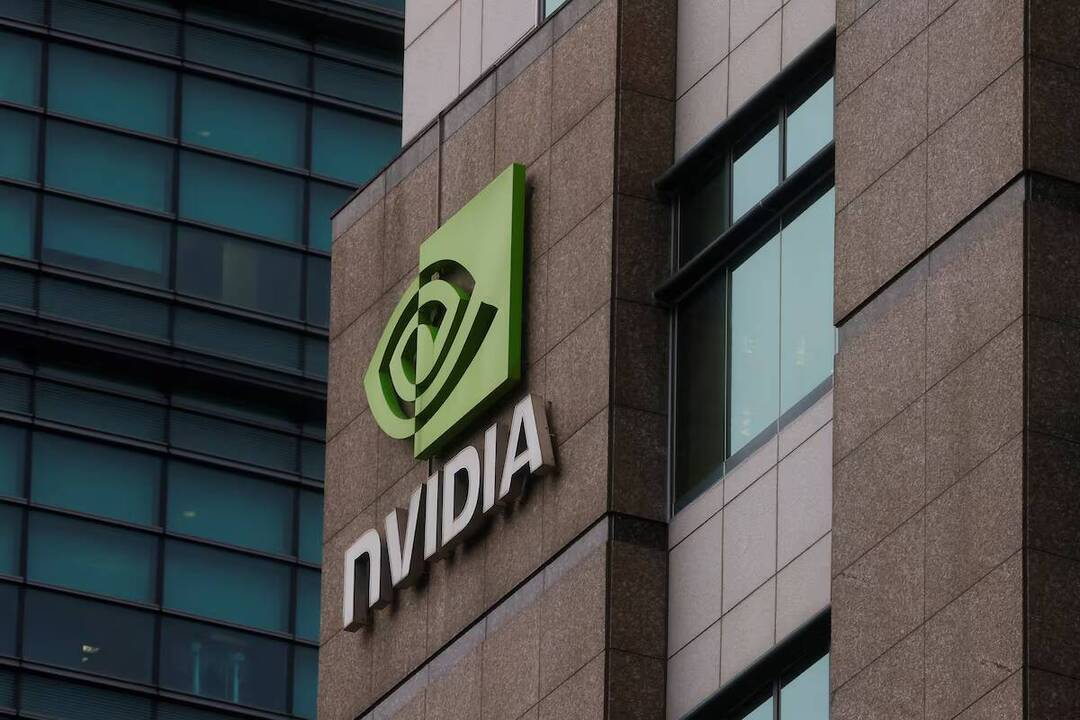
In a significant development, NVIDIA, the renowned American technology company, has introduced a new payment policy for its Chinese customers. As reported by Reuters, the company is now seeking full upfront payment from Chinese buyers for its H200 AI chips. This move marks a departure from the company’s previous practice, where clients could place a deposit rather than making full payment upfront. The new policy also comes with stringent conditions, including no options to cancel, ask for refunds, or change configurations after placement.
The H200 AI chip is a highly sought-after product, particularly in the Chinese market, where companies are eager to leverage its advanced artificial intelligence capabilities. However, the geopolitical tensions between the United States and China have created uncertainty around the shipment of these chips. In August, the US government imposed new export restrictions on AI chips to China, citing national security concerns. These restrictions have led to a lack of clarity on whether Chinese regulators would allow the shipments, making it challenging for NVIDIA to navigate the situation.
NVIDIA’s decision to demand full upfront payment from Chinese buyers can be seen as a strategic move to mitigate potential risks. By requiring full payment, the company can ensure that it receives the revenue from the sale, even if the shipment is delayed or blocked by regulatory hurdles. This approach also reflects the company’s efforts to comply with the US export restrictions, which aim to limit China’s access to advanced AI technology.
The new payment policy is likely to have significant implications for Chinese companies that rely on NVIDIA’s AI chips. Many of these companies may struggle to pay the full amount upfront, particularly if they are unsure about the shipment’s fate. This could lead to a decrease in demand for NVIDIA’s H200 AI chips in the Chinese market, at least in the short term.
Furthermore, NVIDIA’s move may also have broader implications for the global semiconductor industry. As tensions between the US and China continue to escalate, other companies may follow NVIDIA’s lead and adopt similar payment policies. This could create a new norm in the industry, where buyers are required to pay upfront for high-tech products, particularly those with potential military or strategic applications.
The lack of clarity on the shipment of NVIDIA’s AI chips to China is also likely to affect the company’s revenue and profitability. NVIDIA has been a dominant player in the global AI chip market, and China is a significant contributor to its revenue. If the shipments are delayed or blocked, the company may face a decline in sales, which could impact its bottom line.
In addition to the financial implications, NVIDIA’s move also raises questions about the future of global trade and technology cooperation. The US-China trade tensions have already led to a decline in cooperation between the two countries on technology issues, and NVIDIA’s decision may further exacerbate the situation. As the world becomes increasingly interconnected, the need for cooperation and dialogue on technology issues has never been more pressing.
In conclusion, NVIDIA’s decision to demand full upfront payment from Chinese buyers for its H200 AI chips reflects the complexities and challenges of operating in a rapidly changing global landscape. The move is a response to the lack of clarity on whether Chinese regulators would allow the shipments, as well as the need to comply with US export restrictions. While the policy may have significant implications for Chinese companies and the global semiconductor industry, it also highlights the need for cooperation and dialogue on technology issues. As the situation continues to evolve, it will be important to monitor the developments and their impact on the global tech industry.
About the Author