NVIDIA asks for full upfront payment for chips from Chinese buyers
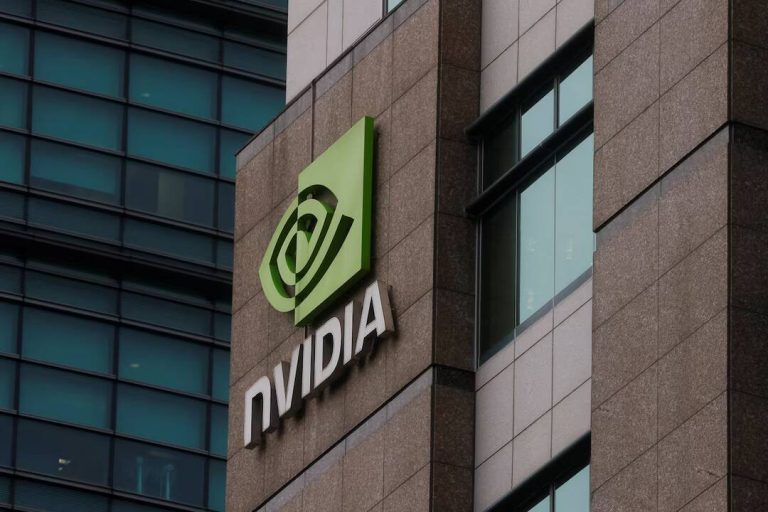
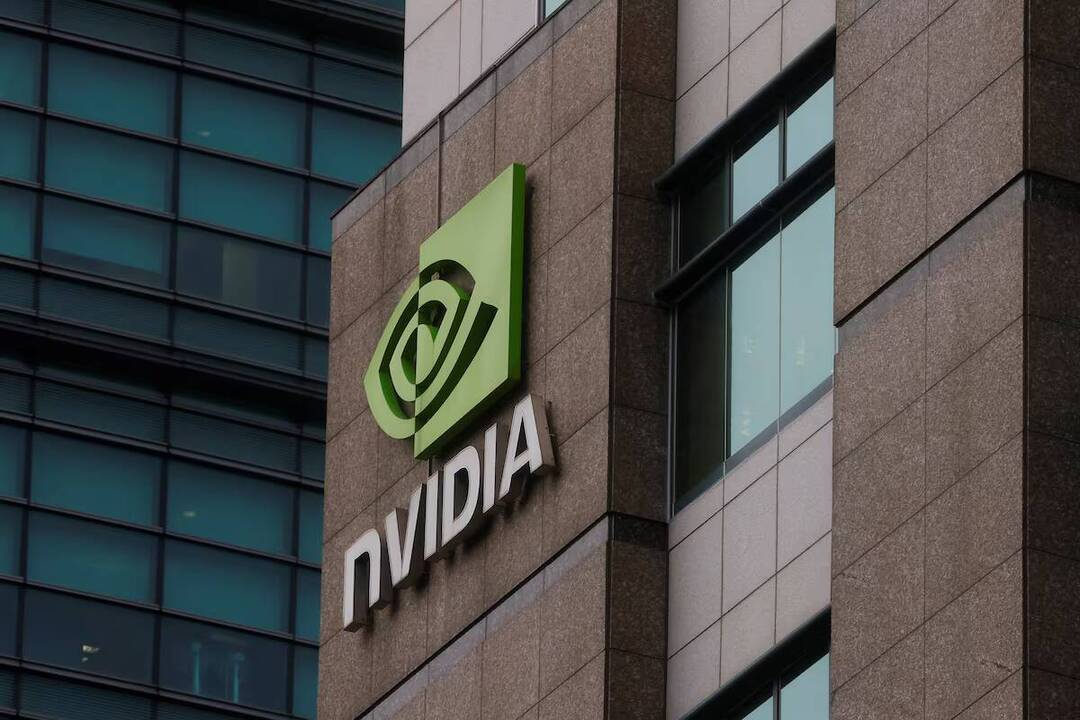
The ongoing tensions between the US and China have been affecting the tech industry in various ways, with several companies feeling the heat. In a recent development, NVIDIA, a leading chipmaker, has taken a significant step that may have far-reaching implications for its Chinese customers. According to a report by Reuters, NVIDIA is now seeking full upfront payment from Chinese customers buying its H200 AI chips, with no options to cancel, ask for refunds, or change configurations after placement.
This move marks a significant departure from the company’s previous policy, which allowed clients to place a deposit rather than make full payment upfront. The change in policy is likely a response to the current geopolitical tensions and the uncertainty surrounding the regulatory environment in China. NVIDIA’s H200 AI chips are highly sought after by Chinese companies, particularly those involved in the development of artificial intelligence and machine learning technologies.
The lack of clarity on whether Chinese regulators would allow the shipments of these chips has prompted NVIDIA to take a more cautious approach. By demanding full upfront payment, the company is essentially transferring the risk to its Chinese customers. This means that if the shipments are blocked or delayed due to regulatory issues, the customers will not be able to cancel their orders or seek refunds.
The implications of this move are significant, and it may have a ripple effect on the entire tech industry. Chinese companies that rely on NVIDIA’s chips for their AI and machine learning applications may be forced to reconsider their supply chains and look for alternative vendors. This could lead to a loss of market share for NVIDIA in China, which is a significant market for the company.
On the other hand, NVIDIA’s move may also be seen as a strategic attempt to protect its intellectual property and prevent the misuse of its technology. The US government has been increasingly concerned about the potential for Chinese companies to use American technology for military or surveillance purposes. By demanding full upfront payment, NVIDIA may be trying to ensure that its technology is not being used for purposes that are contrary to its values or the interests of its shareholders.
The development is also likely to exacerbate the existing tensions between the US and China. The two countries have been engaged in a trade war for several years, with technology being a key area of contention. The US has been trying to restrict China’s access to advanced technologies, including AI and machine learning, citing national security concerns. China, on the other hand, has been trying to develop its own domestic tech industry and reduce its reliance on American companies.
In this context, NVIDIA’s move can be seen as a reflection of the broader geopolitical dynamics at play. The company is essentially caught in the middle of a trade war and is trying to navigate the complex regulatory landscape. While the decision to demand full upfront payment may seem drastic, it may be necessary to protect the company’s interests and ensure that its technology is used responsibly.
As the situation continues to evolve, it will be interesting to see how Chinese companies respond to NVIDIA’s new policy. Will they be willing to pay full upfront payment for the H200 AI chips, or will they look for alternative vendors? How will the Chinese government respond to this development, and will it try to negotiate with NVIDIA or impose retaliatory measures?
One thing is certain, however: the tech industry is likely to feel the effects of this development for a long time to come. As the US and China continue to engage in a trade war, companies like NVIDIA will be forced to navigate the complex regulatory landscape and make difficult decisions to protect their interests. The outcome of this situation will have significant implications for the future of the tech industry and the global economy as a whole.
In conclusion, NVIDIA’s decision to demand full upfront payment from Chinese customers buying its H200 AI chips is a significant development that reflects the ongoing tensions between the US and China. While the move may seem drastic, it may be necessary to protect the company’s interests and ensure that its technology is used responsibly. As the situation continues to evolve, it will be interesting to see how Chinese companies respond and how the Chinese government reacts to this development.
About the Author