Iran using Hezbollah terrorists, Iraqi militants against protests: US
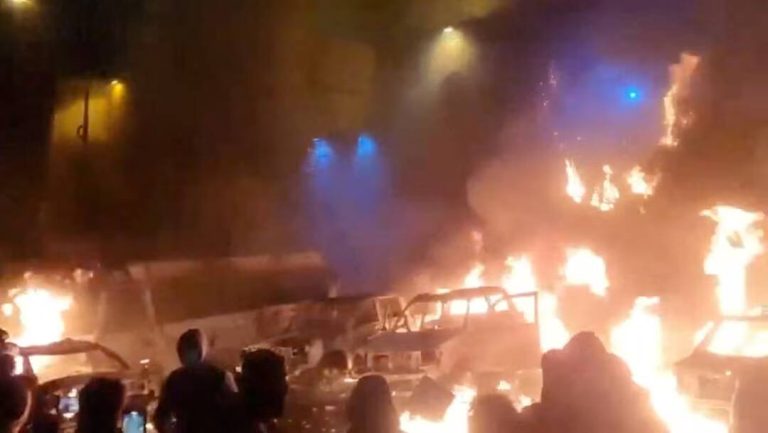
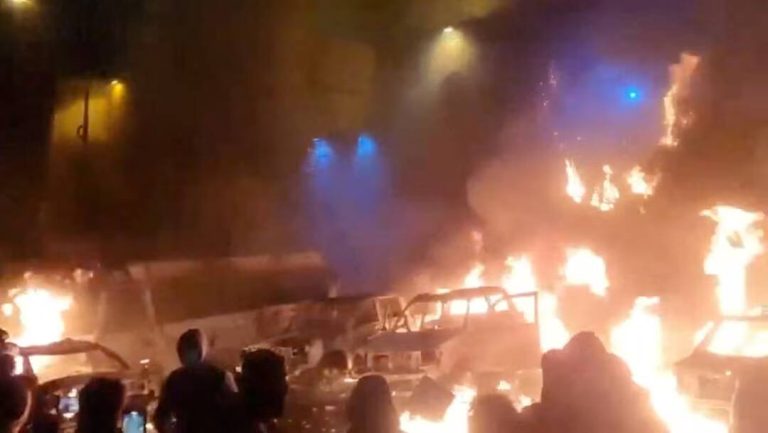
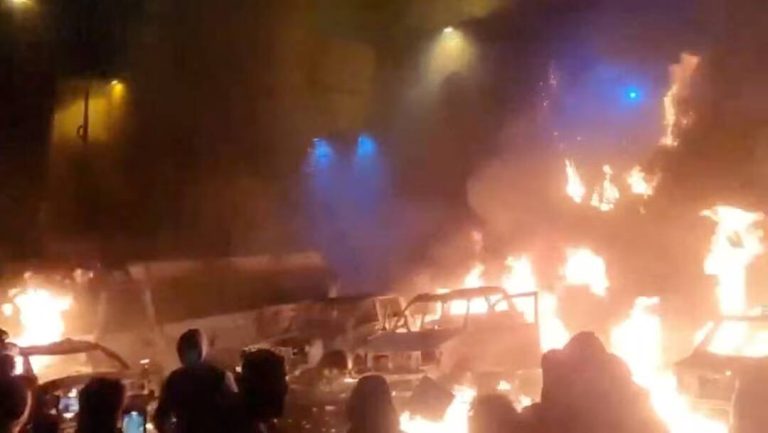
The United States has expressed alarm over reports that Iran has deployed Hezbollah terrorists and Iraqi militants to suppress peaceful protests in the country. The move is seen as a desperate attempt by the Iranian regime to quell the growing unrest and maintain its grip on power. The protests, which have been ongoing for several weeks, have been sparked by a range of issues, including economic hardship, government corruption, and human rights abuses.
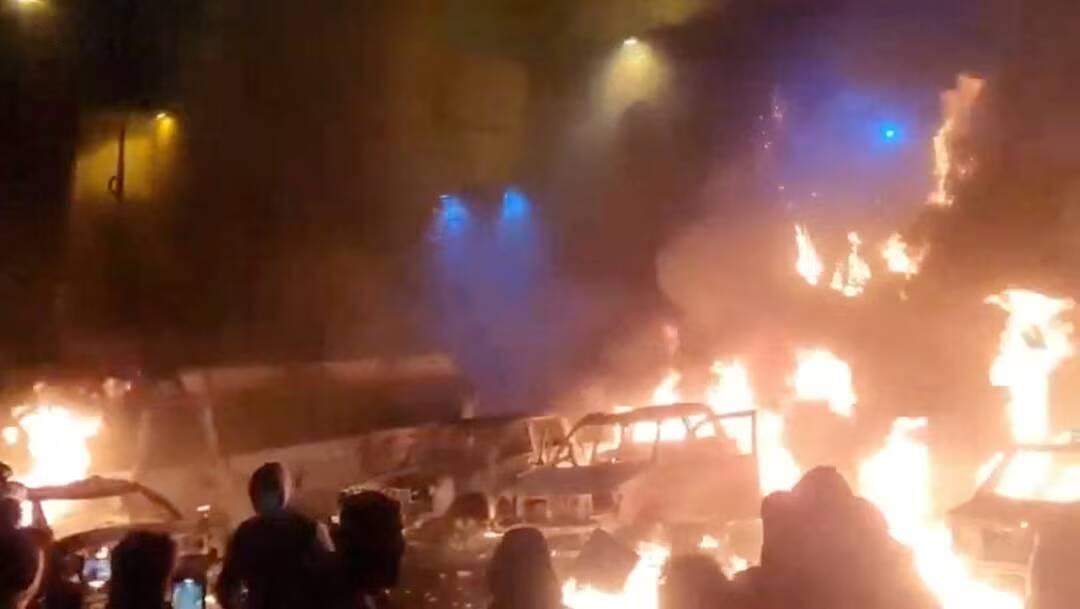
According to reports, the Iranian government has been using its proxy forces, including Hezbollah and Iraqi militants, to crack down on protesters. These forces have been accused of using violent tactics, including beatings, arrests, and even killings, to intimidate and silence protesters. The use of proxy forces is a common tactic employed by the Iranian regime to suppress dissent and maintain control.
The US has strongly condemned the Iranian government’s actions, saying that it is “alarmed” by the reports of Hezbollah terrorists and Iraqi militants being deployed against protesters. “This regime has spent billions of dollars belonging to the Iranian people on terrorist proxy forces,” the US said in a statement. “Deploying those forces against its own citizens would be yet another profound betrayal of the Iranian people.”
The protests in Iran have been sparked by a range of issues, including economic hardship, government corruption, and human rights abuses. The country has been facing a severe economic crisis, with high levels of unemployment, inflation, and poverty. The government’s response to the crisis has been inadequate, and many Iranians feel that the regime is more interested in maintaining its own power and privilege than in addressing the needs and concerns of its citizens.
The use of proxy forces to suppress protests is a tactic that has been employed by the Iranian regime in the past. During the 2009 Green Movement protests, the regime used Basij militiamen and other proxy forces to crack down on protesters. The use of these forces has been widely condemned by human rights groups and other organizations, who have accused the Iranian government of using violence and intimidation to silence dissent.
The deployment of Hezbollah terrorists and Iraqi militants against protesters is a particularly disturbing development. Hezbollah is a Lebanese-based terrorist organization that has been responsible for numerous attacks and atrocities in the region. The group has been accused of carrying out bombings, kidnappings, and other violent acts, and has been designated as a terrorist organization by the US and other countries.
The use of Iraqi militants is also a concern, as it suggests that the Iranian regime is seeking to exploit sectarian divisions in the region. Iraq has been facing its own set of challenges, including a struggle against the Islamic State (IS) and other extremist groups. The deployment of Iraqi militants to Iran could exacerbate these tensions and create further instability in the region.
The international community has been watching the situation in Iran with growing concern. The US has been vocal in its support for the protesters, with President Donald Trump tweeting his backing for the demonstrations. Other countries, including the UK and Canada, have also expressed their support for the protesters and called on the Iranian government to respect the rights of its citizens.
The Iranian government has responded to the protests with a mixture of repression and propaganda. The regime has used its state-controlled media to portray the protesters as enemies of the state and to accuse them of being backed by foreign powers. The government has also imposed strict controls on the internet and other forms of communication, in an attempt to prevent protesters from organizing and coordinating their activities.
Despite these efforts, the protests have continued to grow and spread. The protesters have been using social media and other forms of communication to organize and coordinate their activities, and have been able to evade the government’s attempts to suppress them. The protests have also been marked by a sense of defiance and courage, with many protesters risking their lives to demand change and reform.
In conclusion, the deployment of Hezbollah terrorists and Iraqi militants against protesters in Iran is a disturbing development that highlights the desperation and ruthlessness of the Iranian regime. The use of proxy forces to suppress dissent is a tactic that has been employed by the regime in the past, and it is clear that the government is willing to do whatever it takes to maintain its grip on power.
The international community must continue to speak out against the Iranian government’s actions and to support the protesters in their demands for change and reform. The US and other countries must also consider taking further action to pressure the Iranian government to respect the rights of its citizens and to end its support for terrorist proxy forces.
As the situation in Iran continues to unfold, it is clear that the protests are a significant challenge to the Iranian regime’s authority and legitimacy. The use of proxy forces to suppress dissent is a desperate attempt to maintain control, but it is unlikely to succeed in the long term. The Iranian people will continue to demand change and reform, and it is up to the international community to support them in their struggle for freedom and human rights.
About the Author