Tiny ancient animal had sharpest teeth ever, study finds
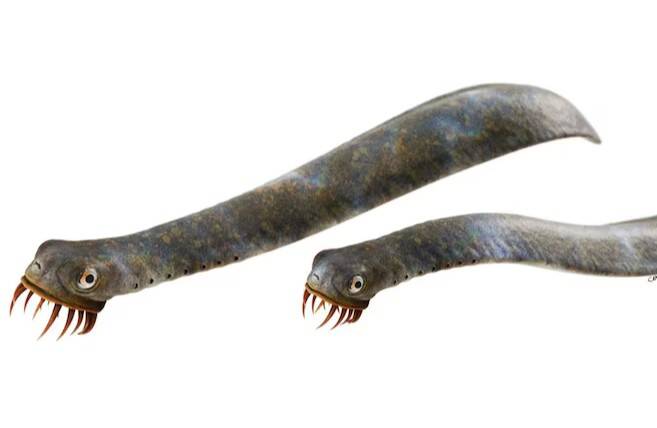
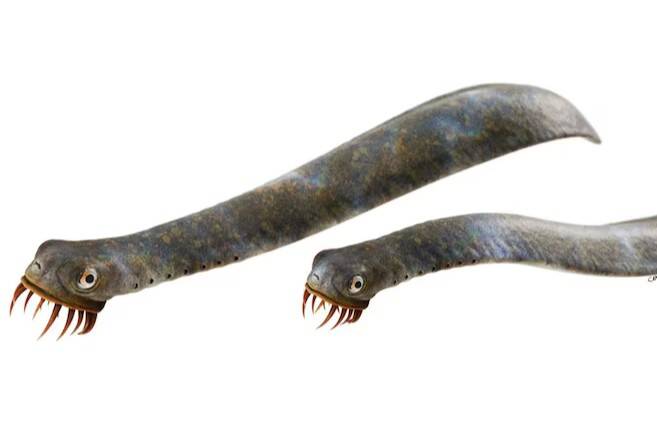
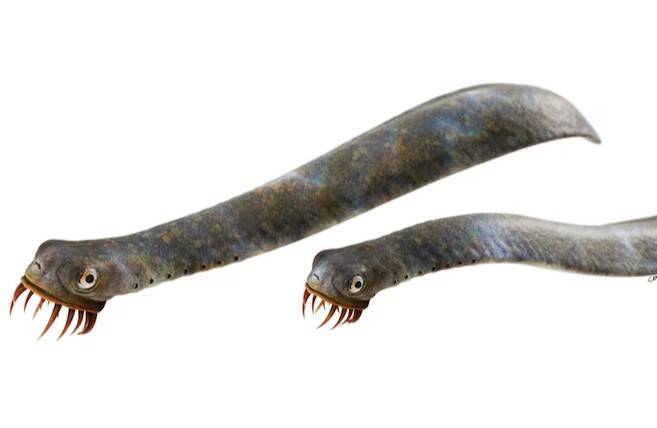
When it comes to sharp teeth, most people immediately think of sharks or dinosaurs. These predators are infamous for their powerful jaws and razor-sharp teeth, which they used to devour their prey with ease. However, new research has revealed that the sharpest teeth ever belonged not to these fearsome creatures, but to tiny jawless marine animals called conodonts. These ancient animals, which lived over 500 million years ago, had microscopic tooth elements that were sharper than modern animal teeth and even steel blades.
Conodonts were small, eel-like creatures that lived in the oceans during the Paleozoic and Triassic periods. They were among the first vertebrates to evolve on Earth and were characterized by their lack of jaws and teeth. Or so it was thought. Recent fossil analysis has shown that conodonts had complex tooth elements that were made of hard, calcium-rich material. These tooth elements were arranged in a series of rows and were used to capture and eat prey.
The study, which was published in a recent scientific journal, used advanced scanning techniques to examine the tooth elements of conodonts in unprecedented detail. The researchers found that the teeth were incredibly sharp, with some specimens having teeth that were sharper than any modern animal. In fact, the teeth were so sharp that they were even sharper than steel blades, which are manufactured using advanced technologies.
The sharpness of conodont teeth is a remarkable example of evolutionary adaptation. These tiny animals lived in a competitive environment where the ability to capture and eat prey quickly was essential for survival. The development of sharp teeth would have given conodonts a significant advantage over their competitors, allowing them to thrive in their ecosystem.
But how did conodonts manage to develop such sharp teeth? The answer lies in their unique tooth structure. Conodont teeth were made of a hard, calcium-rich material that was arranged in a specific pattern. The teeth had a series of tiny, serrated edges that were designed to cut and tear flesh. The edges were so sharp that they were able to slice through even the toughest tissues with ease.
The study of conodont teeth has also provided valuable insights into the evolution of vertebrates. The development of teeth is a critical aspect of vertebrate evolution, and the discovery of conodont teeth has shed new light on this process. It is now clear that the evolution of teeth was a complex and multifaceted process that involved the development of different tooth structures and materials.
The sharpness of conodont teeth has also raised interesting questions about the limits of biological and material design. The teeth of conodonts were able to achieve a level of sharpness that is unparalleled in modern animals. This has led scientists to wonder whether there are any fundamental limits to the sharpness of teeth, or whether it is possible to develop even sharper teeth using advanced materials and technologies.
In conclusion, the discovery of conodont teeth has provided a fascinating glimpse into the evolution of vertebrates and the development of sharp teeth. These tiny, ancient animals had teeth that were sharper than any modern animal, and their unique tooth structure has shed new light on the process of evolutionary adaptation. As scientists continue to study the teeth of conodonts, they may uncover even more secrets about the evolution of life on Earth.
About the Author