Tiny ancient animal had sharpest teeth ever, study finds
When it comes to the sharpest teeth in the animal kingdom, most people would likely think of sharks or dinosaurs. However, a new study has revealed that the title of sharpest teeth ever actually belongs to a tiny, jawless marine animal called conodonts. These ancient creatures, which lived hundreds of millions of years ago, had microscopic tooth elements that were sharper than even modern animal teeth and steel blades.
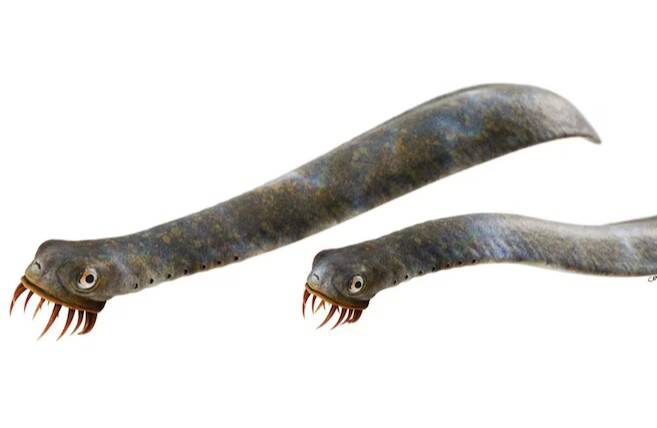
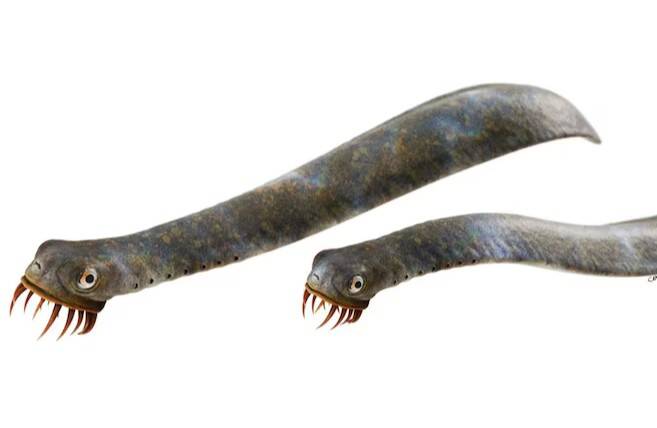
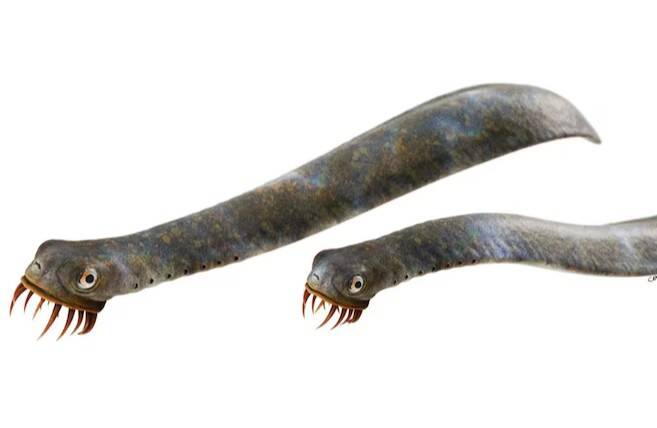
Conodonts were small, eel-like animals that dominated the oceans during the Paleozoic and Triassic periods, around 500-200 million years ago. Despite their tiny size, they played a crucial role in the marine ecosystem, serving as both predators and prey for other animals. One of the most distinctive features of conodonts was their unique dental structure, which consisted of multiple rows of tiny, tooth-like elements.
Researchers have long been fascinated by the conodonts’ dental structure, and recent studies have shed new light on just how sharp their teeth really were. Using advanced techniques such as scanning electron microscopy and nanoindentation, scientists were able to analyze the microscopic tooth elements of conodonts and compare them to those of modern animals.
The results were astonishing. The conodonts’ tooth elements were found to have a sharpness that exceeded that of any modern animal, including sharks and other predators. In fact, the teeth were so sharp that they were even sharper than steel blades, which are known for their razor-like edges.
So, what made the conodonts’ teeth so sharp? According to scientists, the secret lies in the unique structure of their tooth elements. Unlike modern teeth, which are made of enamel and dentin, conodonts’ teeth were composed of a hard, calcium-based material that was highly resistant to wear and tear. This material, combined with the tiny size of the tooth elements, allowed the conodonts to achieve an unprecedented level of sharpness.
The discovery of the conodonts’ sharp teeth has significant implications for our understanding of the evolution of dental structures in animals. It suggests that the development of sharp teeth is not limited to large, predatory animals, but can also be found in smaller, more ancient creatures. Additionally, the study of conodonts’ teeth could provide insights into the development of new materials and technologies, such as sharper blades and cutting tools.
The researchers behind the study were amazed by the findings, and they believe that the conodonts’ teeth push the boundaries of what is biologically possible. “The sharpness of conodonts’ teeth is a testament to the incredible diversity of life on Earth,” said one of the researchers. “These tiny animals were able to achieve a level of sharpness that is unmatched in the modern world, and it’s a reminder that there is still much to learn from the ancient creatures that came before us.”
The study of conodonts and their sharp teeth is a fascinating example of how scientists can learn from the past to inform the present. By analyzing the fossil record and using advanced technologies to study ancient creatures, researchers can gain a deeper understanding of the evolution of life on Earth and the development of unique biological structures.
In conclusion, the discovery of the conodonts’ sharp teeth is a remarkable finding that challenges our assumptions about the animal kingdom. These tiny, ancient creatures may have been small, but they packed a big punch when it came to their dental structure. As scientists continue to study the conodonts and their unique teeth, we may uncover even more secrets about the evolution of life on Earth and the development of biological materials.
About the Author