Iran using Hezbollah terrorists, Iraqi militants against protests: US
The United States has expressed alarm over reports that Iran has deployed Hezbollah terrorists and Iraqi militants to suppress peaceful protests in the country. The move is seen as a desperate attempt by the Iranian government to quell the growing unrest and dissent among its citizens. The protests, which began in response to a significant increase in fuel prices, have quickly escalated into a broader movement calling for reforms and greater freedoms.
According to the US, the Iranian government has spent billions of dollars on terrorist proxy forces, including Hezbollah and Iraqi militant groups. The deployment of these forces against its own citizens is seen as a profound betrayal of the Iranian people. “This regime has spent billions of dollars belonging to the Iranian people on terrorist proxy forces. Deploying those forces against its own citizens would be yet another profound betrayal of the Iranian people,” the US said in a statement.
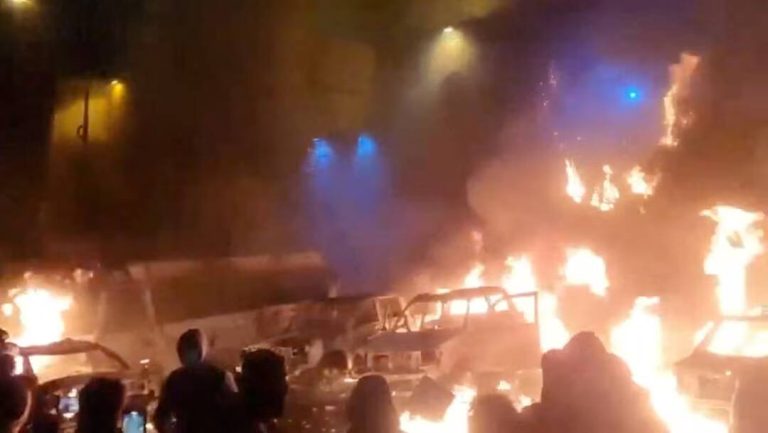
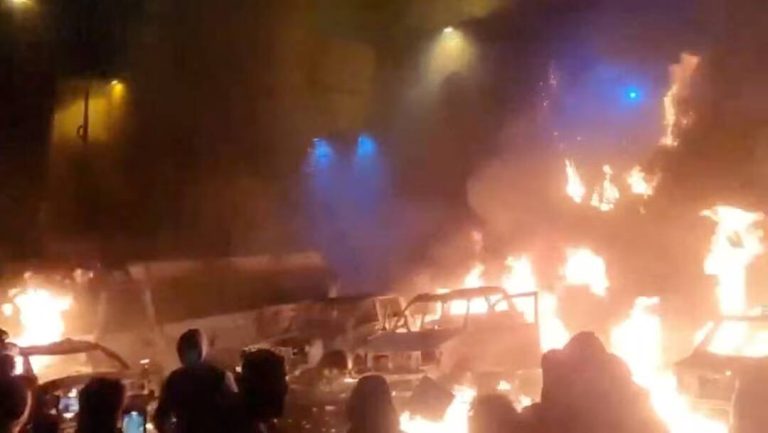
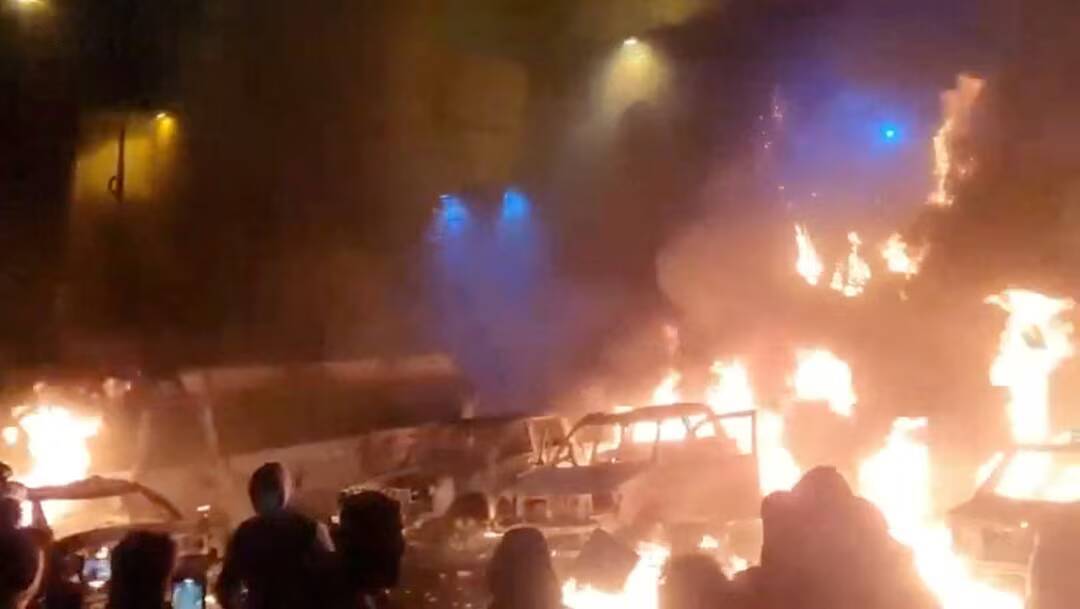
The protests in Iran have been marked by violence and bloodshed, with reports of security forces using live ammunition and tear gas to disperse crowds. The death toll has been rising steadily, with estimates suggesting that over 100 people have been killed in the clashes. The Iranian government has also imposed a near-total internet blackout, making it difficult for protesters to coordinate and for information to be disseminated.
The use of Hezbollah terrorists and Iraqi militants to suppress the protests is a worrying development, and one that has significant implications for regional stability. Hezbollah, a Lebanese-based Shia militant group, has long been a key ally of the Iranian government, and has been involved in various conflicts in the region, including the Syrian civil war. The group has also been accused of carrying out terrorist attacks against Israeli and Western targets.
The deployment of Iraqi militants is also a cause for concern, as it suggests that the Iranian government is seeking to exploit sectarian divisions in the region. Iraq has long been a battleground for proxy wars between Iran and its regional rivals, including Saudi Arabia and the United Arab Emirates. The use of Iraqi militants to suppress protests in Iran could further destabilize the region and exacerbate existing tensions.
The international community has been quick to condemn the Iranian government’s response to the protests. The US, in particular, has been vocal in its criticism, with President Donald Trump warning the Iranian government against using violence to suppress the protests. “The United States is watching the situation in Iran closely. We condemn the use of violence and urge the Iranian government to respect the rights of its citizens,” Trump said in a statement.
Other countries, including the UK and France, have also expressed concern over the situation in Iran. The European Union has called for restraint and dialogue, and has urged the Iranian government to respect the rights of its citizens. The United Nations has also weighed in, with Secretary-General Antonio Guterres calling for calm and restraint.
As the situation in Iran continues to deteriorate, it is clear that the Iranian government is facing a significant crisis. The deployment of Hezbollah terrorists and Iraqi militants to suppress protests is a desperate attempt to cling to power, and one that is likely to have far-reaching consequences. The international community must continue to speak out against the Iranian government’s actions, and to support the Iranian people in their call for reforms and greater freedoms.
In conclusion, the use of Hezbollah terrorists and Iraqi militants to suppress protests in Iran is a worrying development, and one that has significant implications for regional stability. The Iranian government’s response to the protests has been marked by violence and bloodshed, and has been widely condemned by the international community. As the situation continues to deteriorate, it is clear that the Iranian government is facing a significant crisis, and one that will require a concerted effort from the international community to resolve.
About the Author