NVIDIA asks for full upfront payment for chips from Chinese buyers
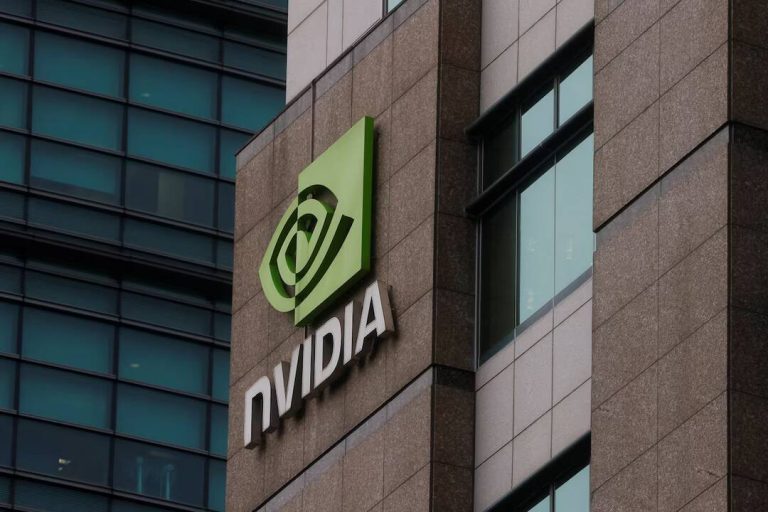
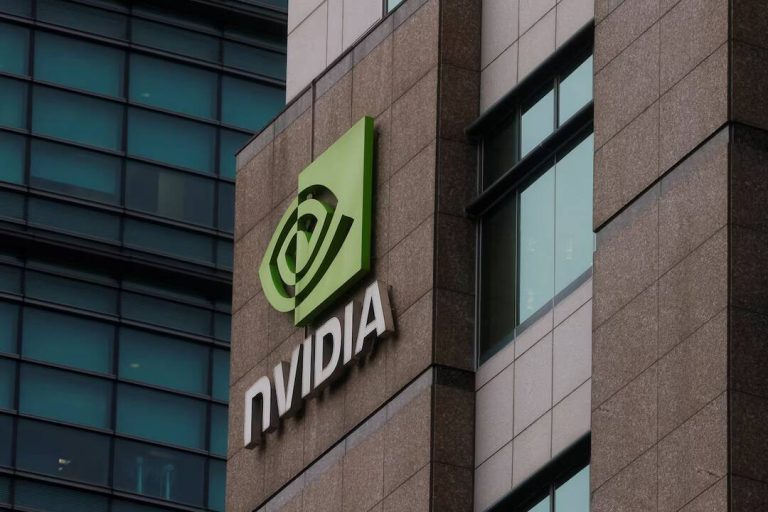
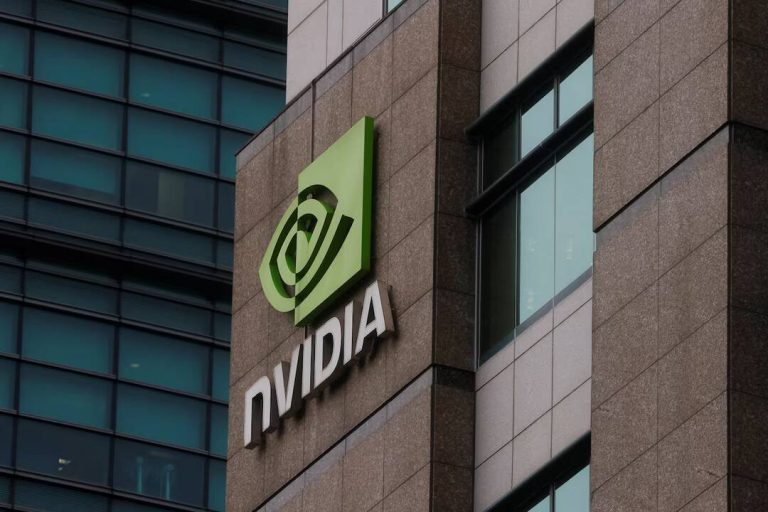
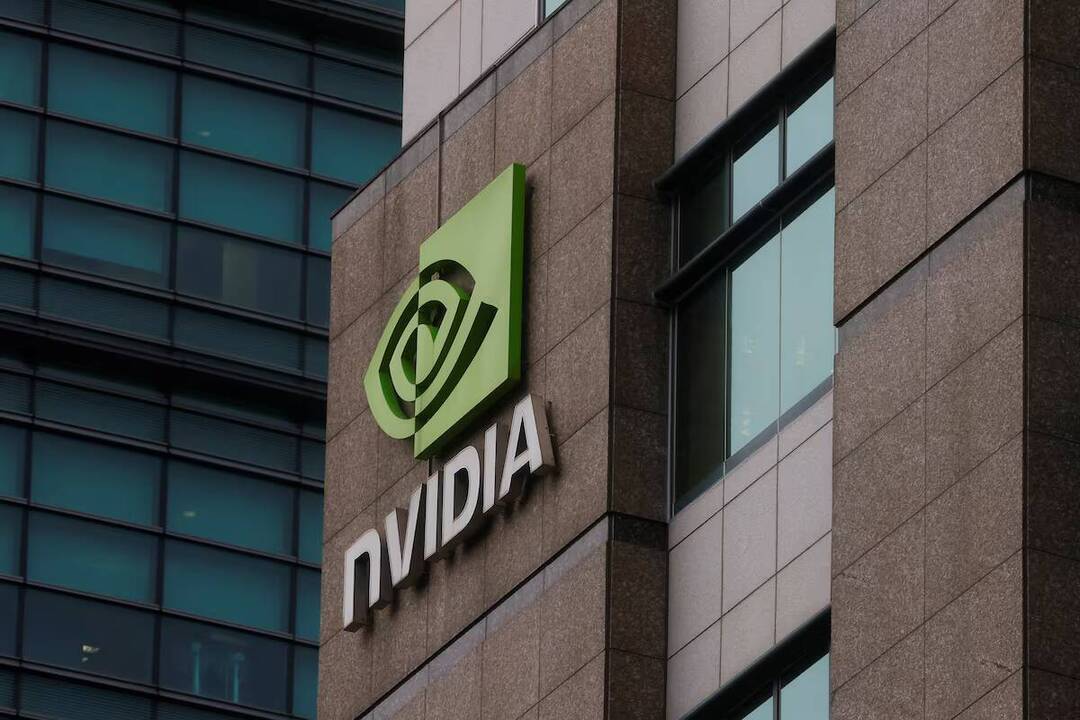
The global semiconductor industry has been witnessing a significant shift in recent times, with the ongoing geopolitical tensions between the United States and China playing a major role in shaping the market dynamics. In a recent development, NVIDIA, a leading American technology company, has decided to alter its payment terms for Chinese customers buying its H200 AI chips. According to a report by Reuters, NVIDIA is now seeking full upfront payment from Chinese buyers, with no options to cancel, ask for refunds, or change configurations after placement.
This move marks a significant departure from the company’s earlier policy, which allowed clients to place a deposit rather than making full payment upfront. The change in payment terms is seen as a response to the uncertainty surrounding the shipment of NVIDIA’s AI chips to China. The company’s decision is likely driven by concerns over the potential risks and implications of non-payment or delayed payment from Chinese customers.
The H200 AI chip is a high-performance processor designed for artificial intelligence and machine learning applications. It is a critical component in many modern technologies, including data centers, autonomous vehicles, and robotics. The chip’s advanced capabilities and high demand have made it a crucial product for NVIDIA, which has been expanding its presence in the Chinese market in recent years.
However, the ongoing trade tensions between the United States and China have created a sense of uncertainty and risk for companies like NVIDIA. The US government has been imposing restrictions on the export of advanced technologies, including AI chips, to China, citing national security concerns. As a result, NVIDIA and other chipmakers have been forced to navigate a complex regulatory landscape, with unclear rules and guidelines governing the shipment of their products to China.
NVIDIA’s decision to seek full upfront payment from Chinese customers is likely a precautionary measure to mitigate potential risks and losses. By requiring full payment upfront, the company can ensure that it receives the revenue from the sale of its chips, regardless of whether the shipment is ultimately allowed to proceed. This approach also gives NVIDIA greater control over the sales process, allowing it to manage its inventory and production more effectively.
The impact of NVIDIA’s new payment terms on Chinese customers is likely to be significant. Many companies in China may be deterred by the requirement for full upfront payment, particularly if they are unsure about the likelihood of receiving the shipment. This could lead to a decline in sales for NVIDIA in the Chinese market, which is a significant contributor to the company’s revenue.
Moreover, the move may also have broader implications for the global semiconductor industry. Other chipmakers may follow NVIDIA’s lead, adopting similar payment terms to manage their risks and protect their revenue. This could lead to a more fragmented and uncertain market, with customers facing higher upfront costs and reduced flexibility in their purchasing decisions.
In conclusion, NVIDIA’s decision to seek full upfront payment from Chinese customers buying its H200 AI chips reflects the ongoing challenges and uncertainties facing the global semiconductor industry. As the trade tensions between the United States and China continue to evolve, companies like NVIDIA must navigate a complex and rapidly changing regulatory landscape. While the new payment terms may help mitigate risks for NVIDIA, they are likely to have significant implications for Chinese customers and the broader industry.
About the Author