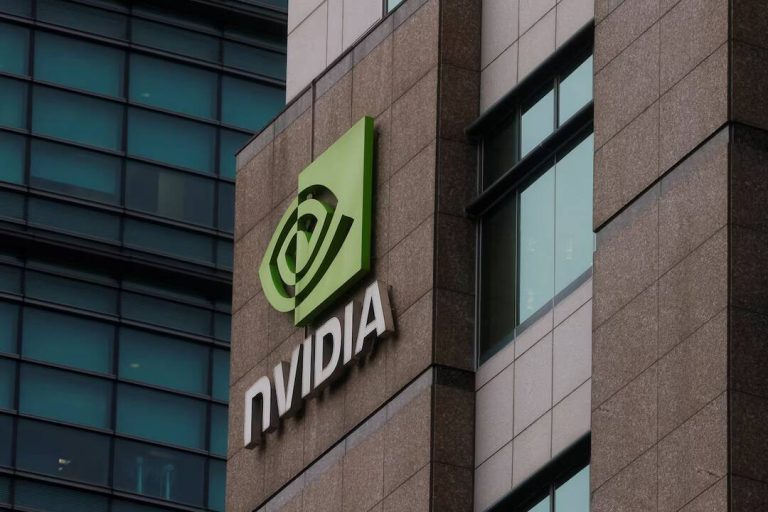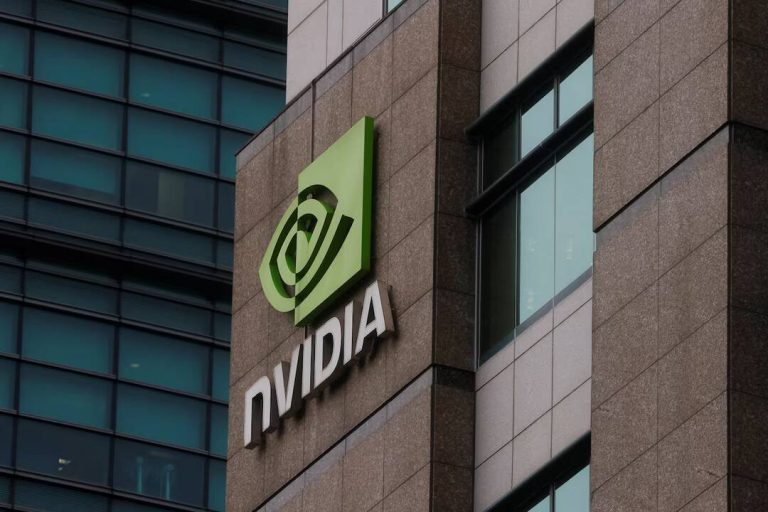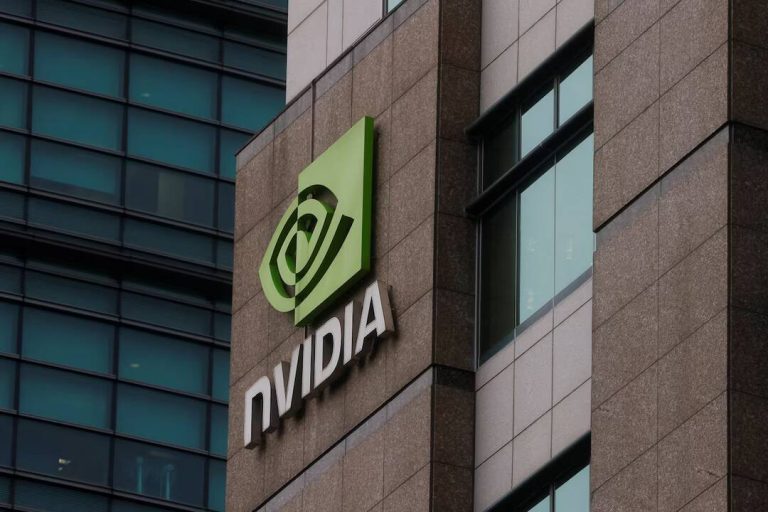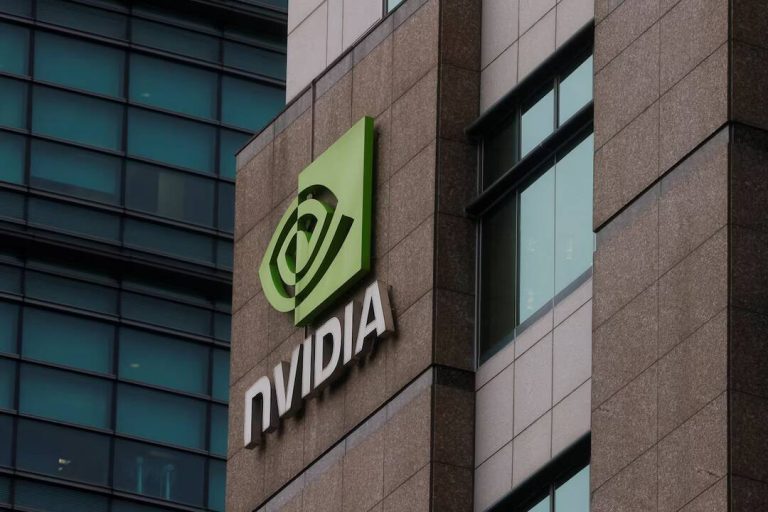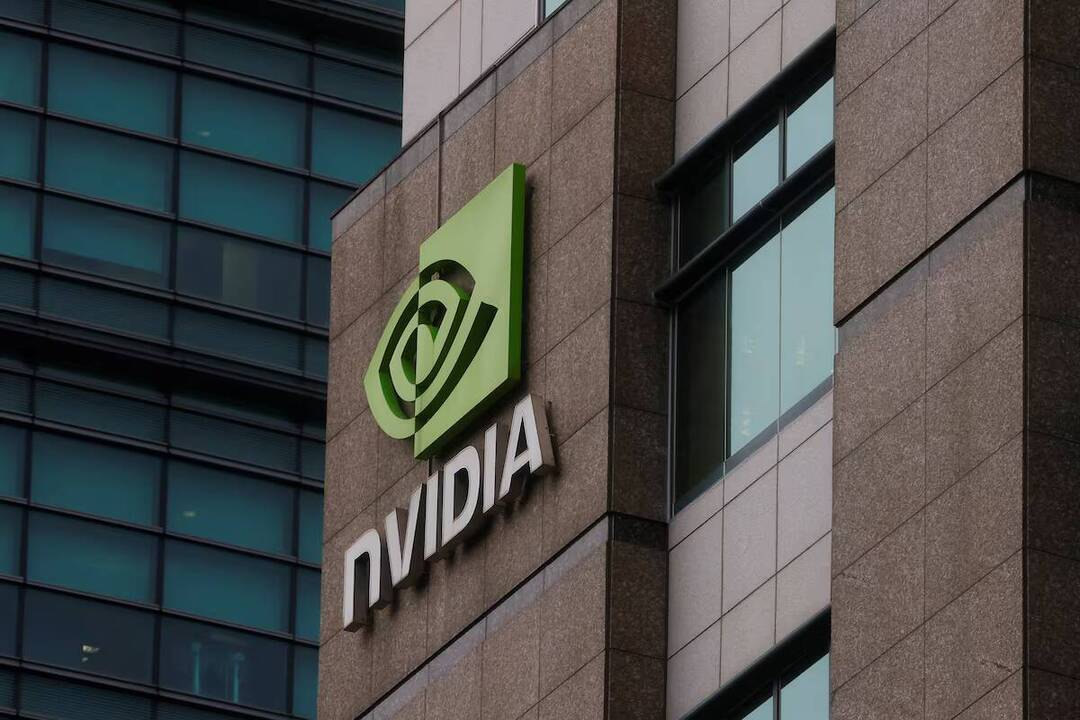
NVIDIA asks for full upfront payment for chips from Chinese buyers
The world of technology is no stranger to the impact of geopolitical tensions, and the latest development in this regard is NVIDIA’s decision to seek full upfront payment from Chinese customers buying its H200 AI chips. According to a report by Reuters, the chipmaker is now requiring Chinese buyers to pay the full amount upfront, with no options to cancel, ask for refunds, or change configurations after placement. This move marks a significant shift in NVIDIA’s payment policies, as the company previously allowed clients to place a deposit rather than make full payment upfront.
The H200 AI chip is a highly sought-after component in the tech industry, particularly among Chinese companies looking to leverage the power of artificial intelligence in their operations. However, the shipment of these chips to China has been shrouded in uncertainty due to the ongoing geopolitical tensions between the United States and China. The US government has been tightening its grip on the export of advanced technologies to China, citing national security concerns. As a result, NVIDIA is taking a cautious approach to ensure that it complies with all relevant regulations and avoids any potential risks.
By demanding full upfront payment from Chinese buyers, NVIDIA is essentially transferring the risk to the customers. If the shipments are blocked or delayed due to regulatory issues, the customers will not be able to cancel their orders or seek refunds. This move is likely to make Chinese buyers think twice before placing orders, as they will have to weigh the potential risks and benefits of investing in NVIDIA’s H200 AI chips.
The lack of clarity on whether Chinese regulators would allow the shipments of NVIDIA’s H200 AI chips is a major concern for the company. The US government has been imposing restrictions on the export of advanced technologies to China, and NVIDIA wants to ensure that it is not caught in the crossfire. By seeking full upfront payment, the company is protecting itself from potential losses in case the shipments are blocked or delayed.
This development is also likely to have a significant impact on the Chinese tech industry, which relies heavily on imported components, including those from NVIDIA. The H200 AI chip is a critical component in many AI-powered applications, and Chinese companies may have to look for alternative suppliers or develop their own technologies to reduce their dependence on foreign components.
The move by NVIDIA is also a reflection of the increasingly complex and uncertain trade landscape between the US and China. The two countries have been engaged in a bitter trade war, with each side imposing tariffs and restrictions on the other’s exports. The tech industry has been particularly affected, with many companies struggling to navigate the complex web of regulations and restrictions.
In conclusion, NVIDIA’s decision to seek full upfront payment from Chinese buyers of its H200 AI chips is a significant development in the tech industry. The move reflects the company’s efforts to mitigate the risks associated with the shipment of advanced technologies to China, amid ongoing geopolitical tensions. While this decision may provide some protection for NVIDIA, it is likely to have a significant impact on the Chinese tech industry, which relies heavily on imported components. As the trade tensions between the US and China continue to escalate, it is likely that we will see more such developments in the tech industry.
About the Author