Iran using Hezbollah terrorists, Iraqi militants against protests: US
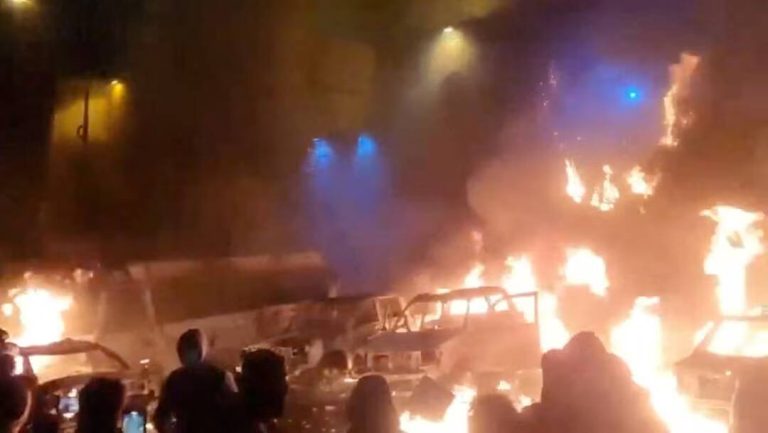
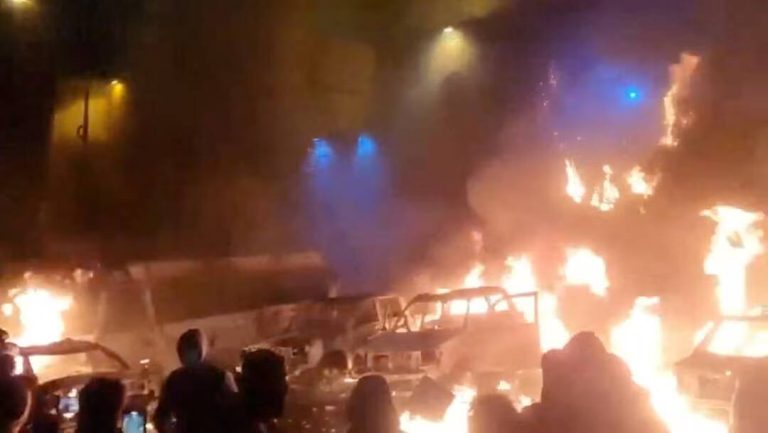
The United States has expressed alarm over reports that Iran has deployed Hezbollah terrorists and Iraqi militants to suppress peaceful protests in the country. The US has condemned the move, stating that the Iranian regime has betrayed its people by using proxy forces against its own citizens. This development comes as protests continue to rage across Iran, with demonstrators demanding reform and greater freedoms.
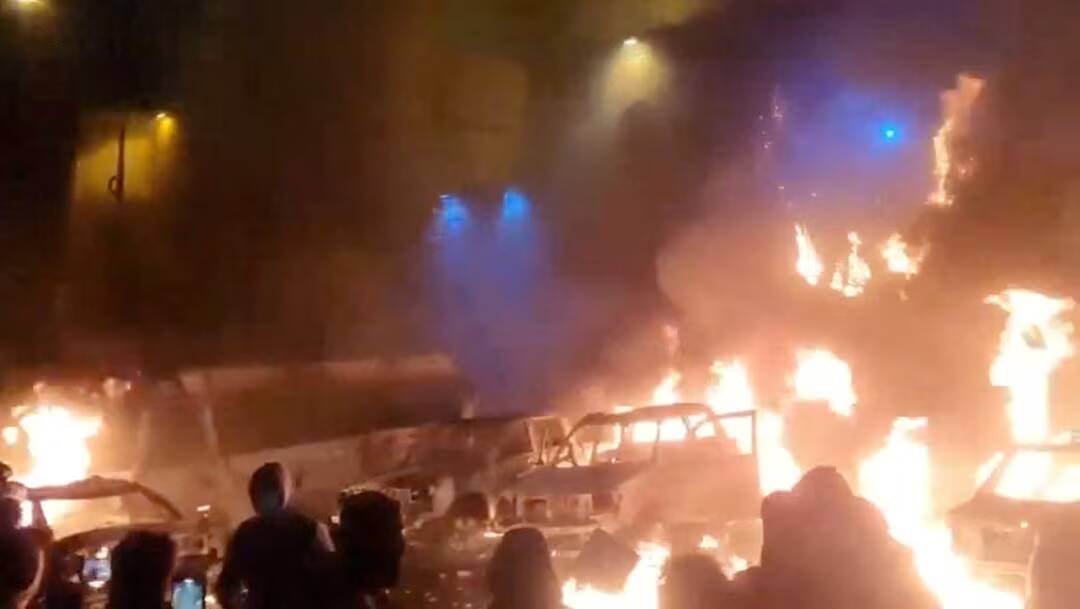
The protests, which began in response to a hike in fuel prices, have evolved into a broader movement against the Iranian government. The regime has responded with force, resulting in the deaths of hundreds of protesters and the arrest of thousands more. The US has been vocal in its support for the protesters, with President Donald Trump warning the Iranian government against using violence to quell the demonstrations.
The deployment of Hezbollah terrorists and Iraqi militants is a significant escalation of the situation. Hezbollah, a Lebanese-based Shia militant group, has long been a key ally of the Iranian regime. The group has been involved in various conflicts across the Middle East, including the Syrian civil war, where it has fought in support of the Assad government. Iraqi militants, meanwhile, have been linked to various extremist groups, including the Islamic State.
The US has accused the Iranian regime of using these proxy forces to suppress the protests, rather than addressing the legitimate grievances of the demonstrators. “This regime has spent billions of dollars belonging to the Iranian people on terrorist proxy forces,” the US said in a statement. “Deploying those forces against its own citizens would be yet another profound betrayal of the Iranian people.”
The use of proxy forces is a tactic that the Iranian regime has employed in the past to exert its influence across the region. However, the deployment of these forces against its own citizens marks a new and disturbing development. It suggests that the regime is willing to use any means necessary to maintain its grip on power, including the use of violence and intimidation.
The international community has been slow to respond to the crisis in Iran, with many countries hesitant to criticize the regime. However, the US has been vocal in its condemnation of the Iranian government’s actions. The US has imposed sanctions on key figures in the regime, including Supreme Leader Ali Khamenei, and has called for an end to the violence against protesters.
The situation in Iran remains volatile, with protests showing no signs of abating. The deployment of Hezbollah terrorists and Iraqi militants has added a new layer of complexity to the crisis, and raises concerns about the potential for further violence. The international community must continue to pressure the Iranian regime to respect the rights of its citizens and to end its use of violence and intimidation.
As the protests continue, the Iranian people remain defiant in the face of government repression. Despite the risks, demonstrators have taken to the streets, demanding reform and greater freedoms. The US and other countries must continue to support the protesters, and to call for an end to the violence and intimidation.
In conclusion, the deployment of Hezbollah terrorists and Iraqi militants against protesters in Iran is a disturbing development that marks a new escalation of the crisis. The US has condemned the move, stating that the Iranian regime has betrayed its people by using proxy forces against its own citizens. The international community must continue to pressure the regime to respect the rights of its citizens and to end its use of violence and intimidation. The Iranian people deserve our support and solidarity as they demand reform and greater freedoms.
About the Author