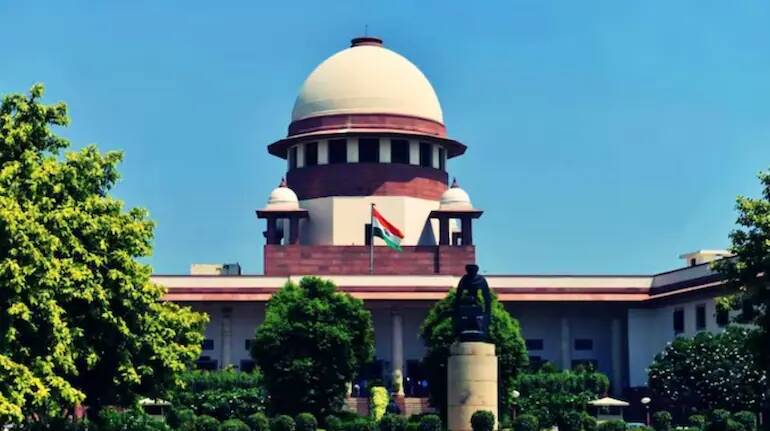
Chance of influencing witnesses after bail in POCSO cases real: SC
The Supreme Court of India has recently expressed a grave concern regarding the likelihood of evidence tampering or influencing witnesses after the grant of bail in offences involving sexual assault against children, commonly known as POCSO (Protection of Children from Sexual Offences) cases. This concern was raised as the court cancelled the bail granted by the Allahabad High Court to a youth from Shamli in Uttar Pradesh, accused of repeated penetrative sexual assault under armed intimidation of a minor.
The Supreme Court’s decision highlights the importance of considering the potential risks and consequences of granting bail in POCSO cases. The court recognized that the likelihood of evidence tampering or influencing witnesses is a legitimate and grave concern, which can have a significant impact on the outcome of the trial. This concern is not unfounded, as there have been instances where accused individuals have attempted to influence witnesses or tamper with evidence after being granted bail.
POCSO cases are sensitive and serious in nature, involving the sexual abuse and exploitation of children. The victims in these cases are often vulnerable and traumatized, and the accused individuals may have a significant amount of power and influence over them. In such cases, the risk of evidence tampering or witness influencing is particularly high, as the accused may attempt to use their power and influence to intimidate or coerce the victims or witnesses into changing their statements or withholding evidence.
The Supreme Court’s decision to cancel the bail granted to the accused youth from Shamli is a significant one, as it recognizes the need to prioritize the safety and well-being of the victim and the integrity of the trial process. By cancelling the bail, the court has ensured that the accused individual will not be able to influence the witnesses or tamper with evidence, which could have compromised the trial.
The court’s decision also highlights the importance of carefully considering the factors that are relevant to the grant of bail in POCSO cases. The court recognized that the seriousness of the offence, the severity of the punishment, and the potential risk of evidence tampering or witness influencing are all relevant factors that must be taken into account when deciding whether to grant bail.
In recent years, there has been an increase in the number of POCSO cases being reported in India, and the Supreme Court’s decision is a welcome step towards ensuring that these cases are handled with the sensitivity and seriousness they deserve. The court’s recognition of the potential risks and consequences of granting bail in POCSO cases is a significant one, and it is hoped that this decision will set a precedent for future cases.
The Supreme Court’s decision is also a reminder of the need for a more nuanced and sensitive approach to handling POCSO cases. The court recognized that the victims in these cases are often vulnerable and traumatized, and that the trial process can be a difficult and intimidating experience for them. The court’s decision to prioritize the safety and well-being of the victim is a significant one, and it is hoped that this approach will be adopted in future cases.
In conclusion, the Supreme Court’s decision to cancel the bail granted to the accused youth from Shamli is a significant one, as it recognizes the legitimate and grave concern of evidence tampering or influencing witnesses in POCSO cases. The court’s decision highlights the importance of carefully considering the factors that are relevant to the grant of bail in POCSO cases, and prioritizing the safety and well-being of the victim and the integrity of the trial process. As the number of POCSO cases continues to rise in India, it is hoped that this decision will set a precedent for future cases and ensure that these cases are handled with the sensitivity and seriousness they deserve.
About the Author