It hurts me: Rekha on AAP’s memes targeting her over verbal slips
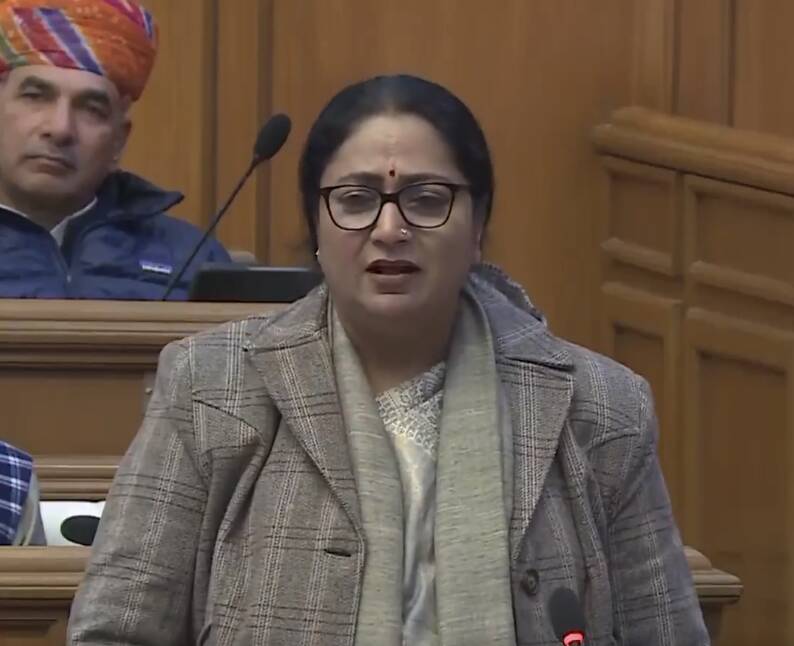
In a recent statement, Delhi Chief Minister Rekha Gupta expressed her disappointment and hurt over the Aam Aadmi Party’s (AAP) constant mocking of her verbal slips. The AAP has been creating memes and ridiculing Gupta for her mistakes, which she believes is unfair and unbecoming of a political party. Gupta stated, “If a word slips from my mouth by mistake, AAP makes memes on it and mocks me. It hurts me deeply.” This statement highlights the personal toll that constant criticism and ridicule can take on a public figure, and raises questions about the nature of political discourse in India.
Gupta specifically mentioned two instances where she was mocked by the AAP. The first instance was when she mispronounced the term “AQI” (Air Quality Index) as “AIQ” during a speech. The AAP was quick to pounce on the mistake, creating memes and jokes about it on social media. The second instance was when Gupta accidentally said “Congress” instead of “British” during a speech, again prompting a barrage of jokes and memes from the AAP.
It is understandable that Gupta would feel hurt by the constant ridicule. As a public figure, she is already under immense scrutiny, and the last thing she needs is to be mocked and belittled by her opponents. Moreover, the fact that the AAP is using her verbal slips to create memes and jokes suggests a lack of seriousness and maturity on their part. Instead of engaging with Gupta’s policies and ideas, the AAP is resorting to petty insults and ridicule, which does little to advance the cause of democratic discourse.
The use of memes and social media to mock and ridicule opponents is a relatively new phenomenon in Indian politics. With the rise of social media, political parties and individuals can now reach a large audience quickly and easily, and can use humor and satire to make their point. However, this can also be a double-edged sword, as it can lead to a coarsening of discourse and a lack of civility in public debate.
In this context, Gupta’s statement is a welcome reminder of the need for civility and respect in public discourse. While it is understandable that politicians may make mistakes, and that these mistakes can be humorous, it is not acceptable to use these mistakes to belittle and mock one’s opponents. Instead, politicians should focus on engaging with each other’s ideas and policies, and should strive to maintain a level of respect and dignity in their interactions.
Gupta’s statement also highlights the challenges faced by women in politics, particularly when it comes to public speaking and communication. Women politicians are often held to a higher standard than their male counterparts, and are more likely to be criticized and ridiculed for their mistakes. This can be intimidating and discouraging, and can make it more difficult for women to participate in politics and public life.
In conclusion, Rekha Gupta’s statement is a timely reminder of the need for civility and respect in public discourse. The use of memes and social media to mock and ridicule opponents is not acceptable, and can do little to advance the cause of democratic discourse. Instead, politicians should focus on engaging with each other’s ideas and policies, and should strive to maintain a level of respect and dignity in their interactions. As Gupta herself stated, “It hurts me deeply” to be mocked and ridiculed by her opponents, and it is time for politicians to take a more civil and respectful approach to public debate.
About the Author