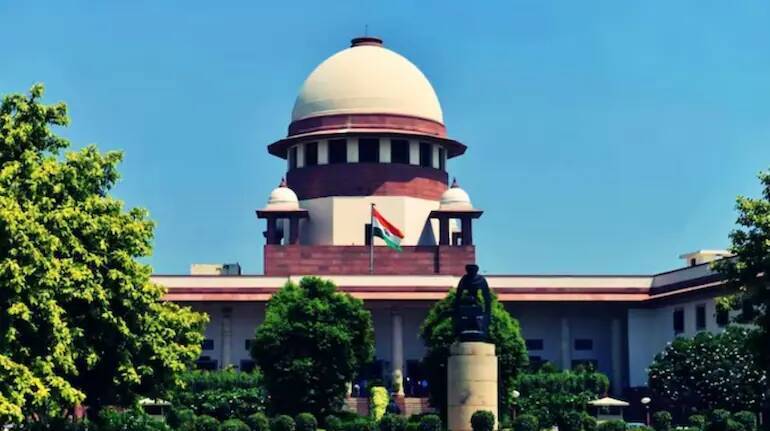
Chance of influencing witnesses after bail in POCSO cases real: SC
The Supreme Court of India has made a significant observation regarding the grant of bail in cases involving sexual assault against children under the Protection of Children from Sexual Offences (POCSO) Act. The court has stated that the likelihood of evidence tampering or influencing witnesses after the grant of bail in such cases is a legitimate and grave concern. This observation was made while cancelling the bail granted by the Allahabad High Court to a youth from Shamli in Uttar Pradesh, who was accused of repeated penetrative sexual assault under armed intimidation of a minor.
The POCSO Act, which came into effect in 2012, is a comprehensive law that aims to protect children from sexual abuse, sexual assault, and pornography. The law provides for stringent punishment for offenders, including imprisonment and fine. However, the granting of bail to accused persons in POCSO cases has been a topic of debate, with many arguing that it can lead to tampering with evidence and influencing witnesses.
The Supreme Court’s observation in this regard is significant, as it highlights the potential risks associated with granting bail in POCSO cases. The court noted that the accused, who was granted bail by the Allahabad High Court, was facing serious charges of repeated penetrative sexual assault under armed intimidation of a minor. The court observed that the grant of bail in such cases can have serious consequences, including the possibility of the accused influencing witnesses or tampering with evidence.
The court’s decision to cancel the bail granted to the accused is a clear indication that the judiciary is taking a tough stance on POCSO cases. The court’s observation that the likelihood of evidence tampering or influencing witnesses is a legitimate and grave concern is a warning to lower courts to exercise caution while granting bail in such cases.
The POCSO Act is a special law that is designed to protect children from sexual abuse and assault. The law provides for a range of measures to ensure that children are protected from sexual exploitation, including the establishment of special courts to try POCSO cases. The law also provides for the appointment of special public prosecutors to prosecute POCSO cases.
Despite the stringent provisions of the POCSO Act, the conviction rate in POCSO cases remains low. According to data from the National Crime Records Bureau (NCRB), the conviction rate in POCSO cases was just 28.6% in 2020. The low conviction rate is attributed to a range of factors, including the lack of evidence, delayed investigations, and the failure to protect witnesses.
The Supreme Court’s observation in this case highlights the need for a more nuanced approach to granting bail in POCSO cases. The court’s decision to cancel the bail granted to the accused is a clear indication that the judiciary is taking a tough stance on POCSO cases. The observation that the likelihood of evidence tampering or influencing witnesses is a legitimate and grave concern is a warning to lower courts to exercise caution while granting bail in such cases.
In recent years, there have been several instances of accused persons in POCSO cases being granted bail, only to be later found guilty and sentenced to imprisonment. In such cases, the grant of bail can have serious consequences, including the possibility of the accused influencing witnesses or tampering with evidence.
The Supreme Court’s observation in this case is a significant development in the context of POCSO cases. The court’s decision to cancel the bail granted to the accused is a clear indication that the judiciary is taking a tough stance on POCSO cases. The observation that the likelihood of evidence tampering or influencing witnesses is a legitimate and grave concern is a warning to lower courts to exercise caution while granting bail in such cases.
In conclusion, the Supreme Court’s observation that the likelihood of evidence tampering or influencing witnesses after the grant of bail in POCSO cases is a legitimate and grave concern is a significant development in the context of POCSO cases. The court’s decision to cancel the bail granted to the accused is a clear indication that the judiciary is taking a tough stance on POCSO cases. The observation is a warning to lower courts to exercise caution while granting bail in such cases, and highlights the need for a more nuanced approach to granting bail in POCSO cases.
About the Author