It hurts me: Rekha on AAP’s memes targeting her over verbal slips
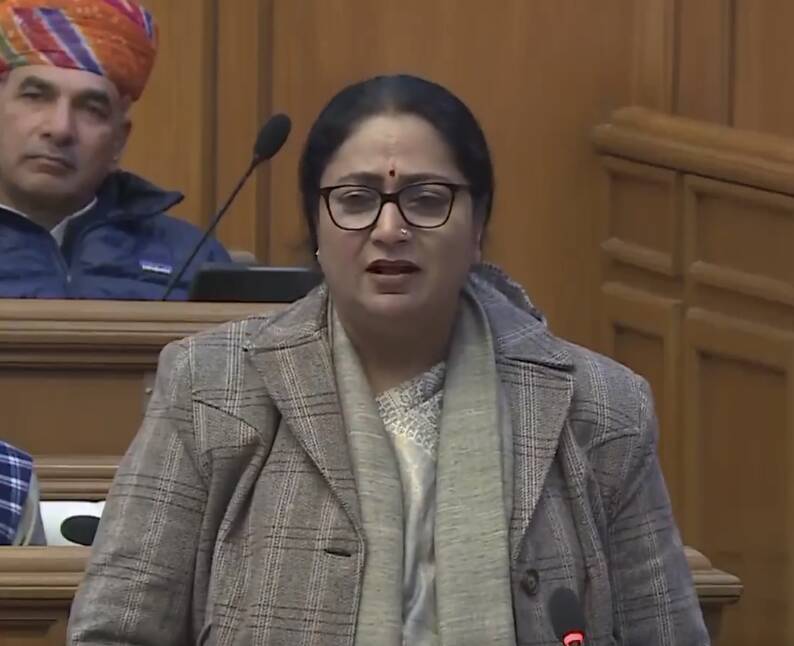
In a recent statement, Delhi Chief Minister Rekha Gupta expressed her disappointment and hurt over the constant mocking by the Aam Aadmi Party (AAP) regarding her verbal slips. The Chief Minister felt that the AAP was being unfair and insensitive in targeting her for minor mistakes, which she claimed were being blown out of proportion. Gupta stated, “If a word slips from my mouth by mistake, AAP makes memes on it and mocks me. It hurts me deeply.” This statement highlights the emotional impact that such actions can have on individuals, particularly those in the public eye.
The specific incidents that Gupta was referring to include her mispronunciation of the term “AQI” as “AIQ” and her accidental reference to “Congress” instead of “British” during a speech. While these slips may have been minor, the AAP was quick to pounce on them, creating memes and mocking her on social media. Gupta felt that this behavior was not only unbecoming of a political party but also hurtful and disrespectful.
It is not uncommon for politicians to make verbal slips, and it is often a natural part of public speaking. However, in today’s digital age, such mistakes can quickly go viral, and the consequences can be severe. The AAP’s decision to target Gupta over these minor mistakes has sparked a debate about the nature of political discourse and the role of social media in shaping public opinion.
On one hand, the AAP may argue that they are simply holding the Chief Minister accountable for her words and actions. As a public figure, Gupta is expected to be mindful of her language and behavior, and any mistakes she makes can be seen as a reflection of her leadership. By highlighting these mistakes, the AAP may be trying to undermine Gupta’s credibility and question her ability to lead the city effectively.
On the other hand, Gupta’s response suggests that the AAP’s actions are not only unfair but also hurtful. By targeting her over minor verbal slips, the AAP is creating a culture of mockery and ridicule, which can be damaging to individuals and undermine the dignity of public office. Gupta’s statement, “It hurts me deeply,” is a powerful reminder that politicians are human beings, too, and that they deserve to be treated with respect and dignity, even when they make mistakes.
Furthermore, the AAP’s actions raise questions about the role of social media in politics. While social media can be a powerful tool for engagement and outreach, it can also be used to spread misinformation, ridicule, and hate. The creation and dissemination of memes targeting Gupta’s verbal slips is a classic example of how social media can be used to mock and belittle individuals, often without regard for the consequences.
In this context, it is essential to consider the impact of such actions on the individual and the broader political discourse. By targeting Gupta over minor mistakes, the AAP may be creating a culture of fear and intimidation, where politicians are reluctant to speak freely or take risks. This can have a chilling effect on political debate and undermine the ability of leaders to engage with the public and address the pressing issues of the day.
In conclusion, the controversy surrounding Gupta’s verbal slips and the AAP’s response highlights the need for a more nuanced and respectful approach to political discourse. While politicians must be held accountable for their words and actions, it is equally important to recognize that they are human beings, too, and that they deserve to be treated with dignity and respect. By promoting a culture of empathy and understanding, we can create a more constructive and respectful political environment, where leaders can engage with the public and address the challenges facing our cities and communities.
About the Author