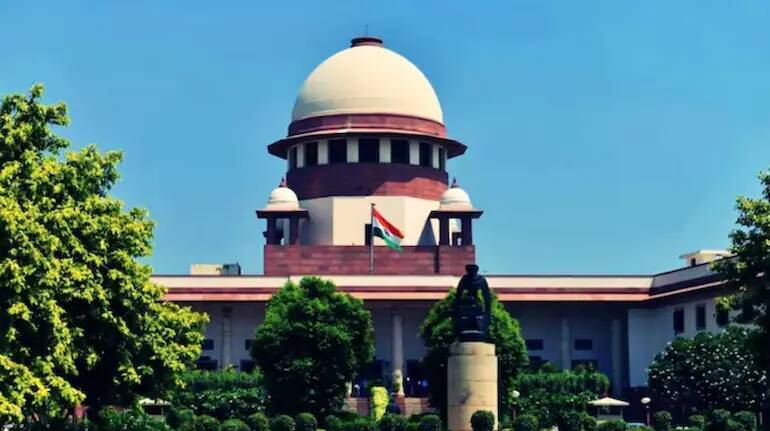
Chance of influencing witnesses after bail in POCSO cases real: SC
The Supreme Court of India has recently expressed a grave concern regarding the likelihood of evidence tampering or influencing witnesses after the grant of bail in offences involving sexual assault against children, commonly known as POCSO (Protection of Children from Sexual Offences) cases. This concern was raised as the court cancelled the bail granted by the Allahabad High Court to a youth from Shamli in Uttar Pradesh, who was accused of repeated penetrative sexual assault under armed intimidation of a minor.
The POCSO Act, 2012, is a comprehensive law that aims to protect children from sexual abuse, sexual exploitation, and pornography. The Act provides for stringent punishment for offenders, including imprisonment and fines. However, the grant of bail to accused individuals in POCSO cases has been a topic of debate, with many arguing that it can lead to tampering with evidence and influencing witnesses, ultimately compromising the integrity of the investigation and the trial.
The Supreme Court’s recent decision highlights the legitimate and grave concern of evidence tampering and witness influencing in POCSO cases. The court’s observation is significant, as it acknowledges the vulnerability of witnesses, particularly child victims, and the potential for accused individuals to intimidate or coerce them into changing their testimony. This concern is not unfounded, as there have been numerous instances where accused individuals have attempted to influence witnesses or tamper with evidence after being granted bail.
The cancellation of bail in this particular case is a welcome move, as it sends a strong message that the courts will not tolerate any attempts to compromise the investigation or the trial. The Supreme Court’s decision also underscores the need for a careful and nuanced approach when considering bail applications in POCSO cases. The court must weigh the gravity of the offence, the evidence against the accused, and the potential risk of evidence tampering or witness influencing before granting bail.
Furthermore, the Supreme Court’s decision highlights the importance of ensuring the safety and security of child victims and witnesses in POCSO cases. The court must consider the potential risks and consequences of granting bail, including the possibility of retaliation or intimidation against the child victim or their family. In such cases, the court may need to consider alternative measures, such as granting bail with strict conditions or ordering the accused to stay away from the child victim and their family.
The POCSO Act, 2012, provides for special procedures for recording the statement of child victims, including the use of video conferencing and the presence of a support person. However, these procedures are not always followed, and child victims are often subjected to traumatic and intimidating experiences during the investigation and trial. The Supreme Court’s decision emphasizes the need for a more sensitive and child-friendly approach in POCSO cases, including the use of specialized courts and trained personnel to handle these cases.
In conclusion, the Supreme Court’s decision to cancel bail in a POCSO case highlights the legitimate and grave concern of evidence tampering and witness influencing in these cases. The court’s observation underscores the need for a careful and nuanced approach when considering bail applications in POCSO cases and emphasizes the importance of ensuring the safety and security of child victims and witnesses. As the law continues to evolve, it is essential to prioritize the well-being and protection of child victims and witnesses, while also ensuring that accused individuals are held accountable for their actions.
About the Author