It hurts me: Rekha on AAP’s memes targeting her over verbal slips
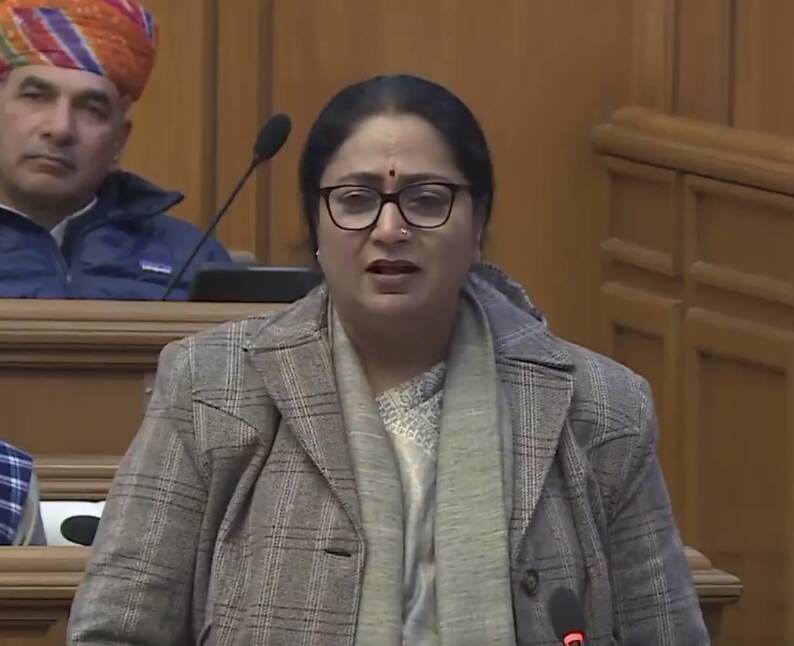
In a recent interview, Delhi Chief Minister Rekha Gupta expressed her disappointment and hurt over the constant memes and mockery by the Aam Aadmi Party (AAP) targeting her verbal slips. Rekha stated that she feels deeply hurt when AAP creates memes and mocks her for minor mistakes, such as mispronouncing a word or phrase. The Chief Minister’s comments come after she was ridiculed for mispronouncing “AQI” as “AIQ” and for accidentally saying “Congress” instead of “British” during a speech.
Rekha’s remarks highlight the intense scrutiny and criticism that politicians face in today’s digital age. A single slip of the tongue or a minor mistake can be quickly amplified and mocked on social media, often with devastating consequences. The Delhi Chief Minister’s emotional response to the AAP’s memes and mockery has sparked a wider debate about the role of social media in politics and the impact of online ridicule on public figures.
The incident that sparked Rekha’s comments was her mispronunciation of “AQI,” which stands for Air Quality Index. During a speech, she referred to it as “AIQ,” which was quickly picked up by AAP supporters and turned into a meme. The meme was widely shared on social media, with many users mocking Rekha for her mistake. Similarly, when she accidentally said “Congress” instead of “British” during a speech, AAP supporters were quick to create memes and jokes about her mistake.
Rekha’s response to the AAP’s memes and mockery has been widely reported, with many news outlets highlighting her emotional comments. “If a word slips from my mouth by mistake, AAP makes memes on it and mocks me. It hurts me deeply,” she stated. The Chief Minister’s words have sparked a wave of sympathy and support from her supporters, who have rallied around her and criticized the AAP for its behavior.
The AAP’s response to Rekha’s comments has been muted, with the party’s leaders choosing not to comment on the issue. However, AAP supporters continue to share memes and jokes about Rekha’s verbal slips, often with a mocking tone. The party’s silence on the issue has been interpreted by some as a sign of its reluctance to engage with the Chief Minister on the issue, while others see it as a deliberate attempt to avoid drawing attention to the matter.
The debate over the AAP’s memes and mockery of Rekha’s verbal slips has raised important questions about the role of social media in politics. While social media has democratized the dissemination of information and given a voice to marginalized communities, it has also created a culture of ridicule and mockery. The constant scrutiny and criticism that politicians face on social media can be overwhelming, often leading to a culture of fear and self-censorship.
Moreover, the AAP’s memes and mockery of Rekha’s verbal slips have also raised questions about the party’s attitude towards women in politics. Rekha’s comments have been interpreted by some as a sign of the party’s sexism and misogyny, with some arguing that the party would not have treated a male politician in the same way. The issue has sparked a wider debate about the challenges faced by women in politics, including the constant scrutiny and criticism they face on social media.
In conclusion, the controversy over the AAP’s memes and mockery of Rekha’s verbal slips has highlighted the intense scrutiny and criticism that politicians face in today’s digital age. The Delhi Chief Minister’s emotional response to the AAP’s behavior has sparked a wider debate about the role of social media in politics and the impact of online ridicule on public figures. As the debate continues, it is essential to remember that politicians are human beings, deserving of respect and dignity. The constant ridicule and mockery of politicians can have devastating consequences, often leading to a culture of fear and self-censorship.
About the Author