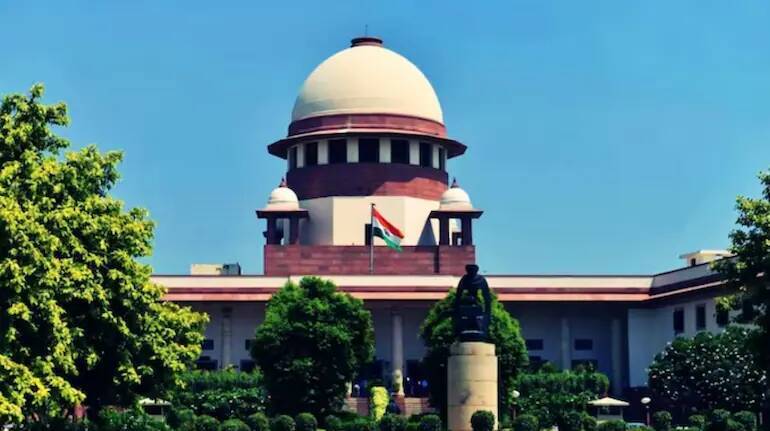
Chance of influencing witnesses after bail in POCSO cases real: SC
The Supreme Court of India has recently expressed a grave concern regarding the likelihood of evidence tampering or influencing witnesses after the grant of bail in offences involving sexual assault against children, commonly known as POCSO (Protection of Children from Sexual Offences) cases. This concern was raised as the court cancelled the bail granted by the Allahabad High Court to a youth from Shamli in Uttar Pradesh, accused of repeated penetrative sexual assault under armed intimidation of a minor.
The POCSO Act, 2012, is a comprehensive law that aims to protect children from sexual abuse, exploitation, and pornography. The law provides for severe punishments for offenders, including imprisonment and fines. However, the granting of bail to accused individuals in such cases has been a topic of debate, with many arguing that it can lead to tampering with evidence and influencing witnesses.
In the present case, the Supreme Court observed that the likelihood of evidence tampering or influencing witnesses after the grant of bail is a legitimate and grave concern. The court noted that the accused had been charged with serious offences under the POCSO Act and that the grant of bail could potentially compromise the investigation and the trial.
The court’s decision highlights the need for a cautious approach when dealing with bail applications in POCSO cases. The gravity of the offences and the potential for evidence tampering or witness influencing must be carefully considered before granting bail. The court’s concern is not unfounded, as there have been instances where accused individuals have attempted to influence witnesses or tamper with evidence after being granted bail.
The POCSO Act provides for stringent provisions to prevent evidence tampering and witness influencing. Section 33 of the Act states that a person who has been accused of committing a sexual offence under the Act shall not be granted bail if there is reasonable grounds to believe that the accused has committed the offence. The Act also provides for the protection of witnesses and victims, including the use of video conferencing for recording statements and the provision of counseling and support services.
Despite these provisions, the grant of bail in POCSO cases remains a contentious issue. Many argue that bail should not be granted in such cases, as it can compromise the investigation and the trial. Others argue that the grant of bail is a fundamental right and that it should not be denied without sufficient reason.
The Supreme Court’s decision in the present case is a significant one, as it highlights the need for a balanced approach when dealing with bail applications in POCSO cases. While the grant of bail is a fundamental right, it is equally important to ensure that the investigation and the trial are not compromised. The court’s concern regarding evidence tampering and witness influencing is a legitimate one, and it is essential that the lower courts consider these factors when dealing with bail applications in POCSO cases.
In conclusion, the Supreme Court’s decision to cancel the bail granted to the accused in the present case is a significant one. It highlights the need for a cautious approach when dealing with bail applications in POCSO cases and emphasizes the importance of considering the potential for evidence tampering and witness influencing. The decision is a reminder that the grant of bail in such cases must be carefully considered, and that the gravity of the offences and the potential for compromising the investigation and the trial must be taken into account.
The POCSO Act is a comprehensive law that aims to protect children from sexual abuse, exploitation, and pornography. However, the implementation of the law and the granting of bail in such cases require a balanced approach. The Supreme Court’s decision in the present case is a step in the right direction, as it emphasizes the need for a cautious approach when dealing with bail applications in POCSO cases.
As the law continues to evolve, it is essential that the judiciary, the legislature, and the executive work together to ensure that the POCSO Act is implemented effectively. The granting of bail in POCSO cases must be carefully considered, and the potential for evidence tampering and witness influencing must be taken into account. The Supreme Court’s decision in the present case is a significant one, and it is hoped that it will serve as a precedent for future cases.
About the Author