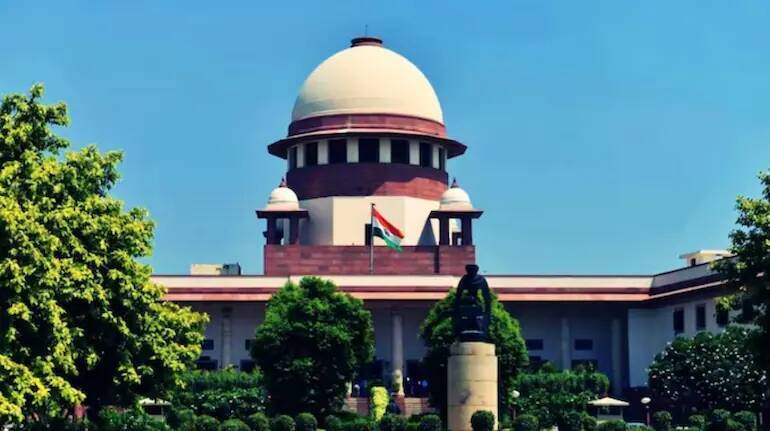
Chance of influencing witnesses after bail in POCSO cases real: SC
The Supreme Court of India has made a significant observation regarding the granting of bail in cases involving offences under the Protection of Children from Sexual Offences (POCSO) Act. The court stated that the likelihood of evidence tampering or influencing witnesses after the grant of bail in such cases is a legitimate and grave concern. This observation was made while cancelling the bail granted by the Allahabad High Court to a youth from Shamli in Uttar Pradesh, who was accused of repeated penetrative sexual assault under armed intimidation of a minor.
The POCSO Act, which was enacted in 2012, is a comprehensive law that aims to protect children from sexual abuse, sexual exploitation, and pornography. The Act provides for stringent punishment, including life imprisonment, for offenders who commit sexual offences against children. However, despite the stringent provisions of the Act, the conviction rate in POCSO cases remains low, and one of the primary reasons for this is the tampering of evidence and influencing of witnesses.
The Supreme Court’s observation highlights the importance of ensuring that the accused in POCSO cases do not influence witnesses or tamper with evidence, which can have a significant impact on the outcome of the trial. The court noted that the grant of bail in such cases can provide the accused with an opportunity to influence witnesses or destroy evidence, which can ultimately lead to the acquittal of the accused.
The case in question involved a youth who was accused of repeatedly sexually assaulting a minor under armed intimidation. The accused was granted bail by the Allahabad High Court, which was later challenged by the state government before the Supreme Court. The Supreme Court, while hearing the appeal, observed that the grant of bail in POCSO cases requires careful consideration, as the accused may attempt to influence witnesses or tamper with evidence.
The court noted that the POCSO Act is a special law that aims to protect children from sexual abuse and exploitation, and the grant of bail in such cases should be considered in the light of the objectives of the Act. The court observed that the likelihood of evidence tampering or influencing witnesses is a legitimate concern in POCSO cases, and the grant of bail should be considered only in exceptional circumstances.
The Supreme Court’s observation is significant, as it highlights the need for caution while granting bail in POCSO cases. The court’s decision is expected to have a significant impact on the handling of POCSO cases, as it emphasizes the importance of ensuring that the accused do not influence witnesses or tamper with evidence.
The POCSO Act provides for a range of measures to protect children from sexual abuse and exploitation, including the provision of special courts to try offences under the Act. The Act also provides for the appointment of special public prosecutors to prosecute cases under the Act. However, despite these measures, the conviction rate in POCSO cases remains low, and the Supreme Court’s observation highlights the need for further measures to ensure that justice is delivered in such cases.
In recent years, there have been several instances of accused persons in POCSO cases attempting to influence witnesses or tamper with evidence. In some cases, the accused have even threatened or intimidated witnesses, which has resulted in the witnesses turning hostile. The Supreme Court’s observation highlights the need for the lower courts to exercise caution while granting bail in POCSO cases, as the grant of bail can provide the accused with an opportunity to influence witnesses or tamper with evidence.
The Supreme Court’s decision is also significant, as it emphasizes the importance of protecting the rights of victims in POCSO cases. The court observed that the POCSO Act is a special law that aims to protect children from sexual abuse and exploitation, and the grant of bail in such cases should be considered in the light of the objectives of the Act. The court’s decision is expected to have a significant impact on the handling of POCSO cases, as it highlights the need for caution while granting bail in such cases.
In conclusion, the Supreme Court’s observation that the likelihood of evidence tampering or influencing witnesses after the grant of bail in POCSO cases is a legitimate and grave concern is significant. The court’s decision highlights the need for caution while granting bail in such cases, as the grant of bail can provide the accused with an opportunity to influence witnesses or tamper with evidence. The Supreme Court’s observation is expected to have a significant impact on the handling of POCSO cases, as it emphasizes the importance of ensuring that justice is delivered in such cases.
About the Author