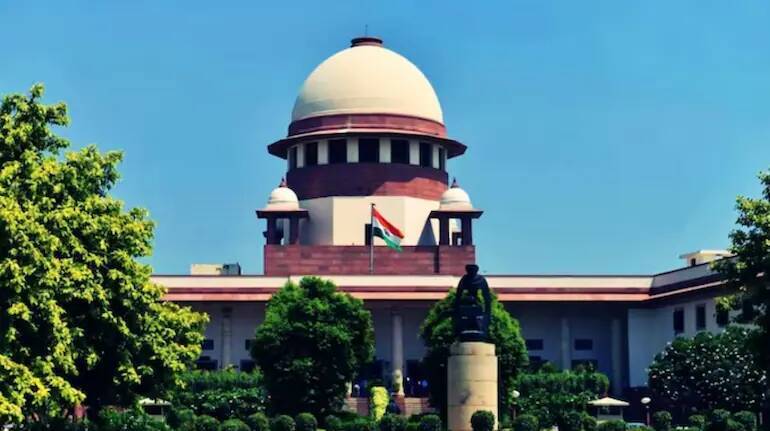
Chance of influencing witnesses after bail in POCSO cases real: SC
The Supreme Court of India has recently made a significant observation regarding the grant of bail in cases involving offences under the Protection of Children from Sexual Offences (POCSO) Act. The court stated that the likelihood of evidence tampering or influencing witnesses after the grant of bail in such cases is a legitimate and grave concern. This observation was made while cancelling the bail granted by the Allahabad High Court to a youth from Shamli in Uttar Pradesh, who was accused of repeated penetrative sexual assault under armed intimidation of a minor.
The POCSO Act, which was enacted in 2012, is a special law designed to protect children from sexual abuse, sexual exploitation, and pornography. The Act defines various types of sexual offences against children, including penetrative sexual assault, aggravated penetrative sexual assault, sexual assault, and aggravated sexual assault. The law also provides for stringent punishments for those found guilty of these offences, including imprisonment and fines.
In the present case, the accused was granted bail by the Allahabad High Court, which was later challenged by the state government before the Supreme Court. The Supreme Court, while hearing the appeal, observed that the grant of bail in POCSO cases can have serious consequences, including the likelihood of evidence tampering and influencing witnesses. The court noted that such concerns are legitimate and grave, and therefore, the grant of bail in such cases should be approached with caution.
The Supreme Court’s observation is significant, as it highlights the importance of ensuring that the accused in POCSO cases do not influence witnesses or tamper with evidence while on bail. The court’s concern is not unfounded, as there have been instances in the past where accused persons have attempted to influence witnesses or destroy evidence while on bail. Such actions can seriously compromise the integrity of the investigation and the trial, and can ultimately lead to the acquittal of the accused, even if they are guilty of the offence.
The Supreme Court’s observation also underscores the need for a careful and nuanced approach while granting bail in POCSO cases. The court should consider various factors, including the severity of the offence, the likelihood of the accused influencing witnesses or tampering with evidence, and the potential impact on the victim and their family. The court should also ensure that the accused does not pose a threat to the safety and well-being of the victim and their family while on bail.
In recent years, there has been an increase in the number of POCSO cases being reported across the country. According to the National Crime Records Bureau (NCRB), there were over 32,000 cases of child rape reported in 2020, which is a significant increase from the previous year. The increase in the number of cases has put a spotlight on the need for effective investigation and prosecution of POCSO cases, as well as the need for adequate support and protection for victims and their families.
The Supreme Court’s observation is a welcome step in this direction, as it recognizes the importance of ensuring that the accused in POCSO cases do not influence witnesses or tamper with evidence while on bail. The court’s decision is also a reminder of the need for a careful and nuanced approach while granting bail in such cases, and the importance of prioritizing the safety and well-being of the victim and their family.
In conclusion, the Supreme Court’s observation that the likelihood of evidence tampering or influencing witnesses after the grant of bail in POCSO cases is a legitimate and grave concern is a significant one. The court’s decision highlights the importance of ensuring that the accused in such cases do not compromise the integrity of the investigation and the trial, and that the victim and their family are protected from harm. As the country continues to grapple with the issue of child sexual abuse, the Supreme Court’s observation is a welcome step towards ensuring that justice is served in POCSO cases.
About the Author