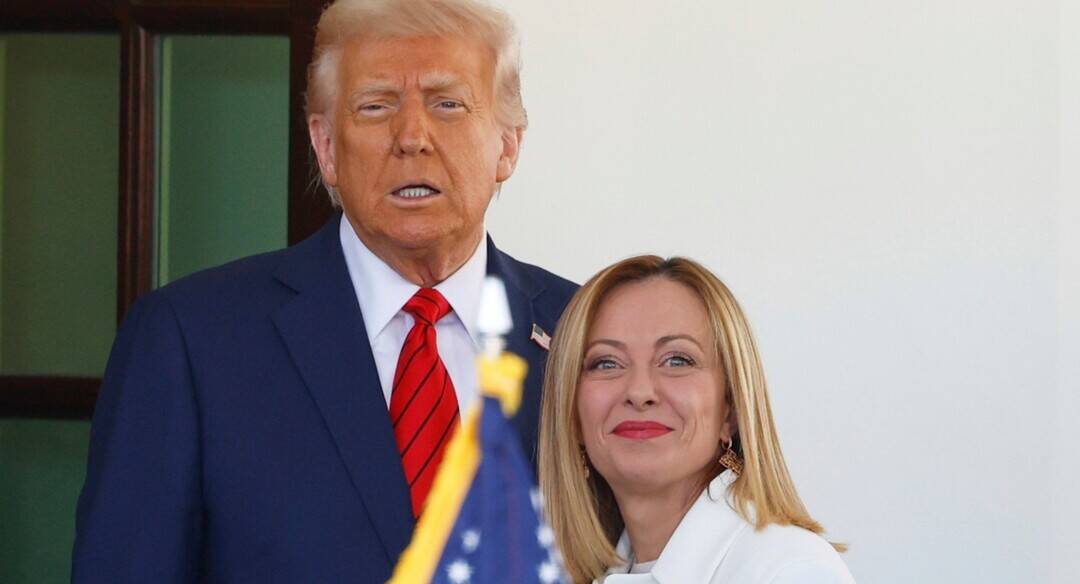
I believe Trump won’t use force to seize Greenland: Meloni
In a recent statement, Italian Prime Minister Giorgia Meloni expressed her skepticism regarding the possibility of the United States using military force to seize Greenland. This sentiment comes after former US President Donald Trump’s remarks about purchasing the autonomous territory from Denmark sparked controversy and debate. Meloni’s comments not only reflect her own stance on the matter but also highlight the potential consequences of such an action for the North Atlantic Treaty Organization (NATO).
Meloni’s statement is significant, as it underscores the complexity of international relations and the need for diplomatic solutions to geopolitical challenges. She emphasized that she would not support any move by the US to use force to acquire Greenland, citing the potential damage it could inflict on NATO’s cohesion and credibility. The Italian Prime Minister’s position is rooted in her understanding of the importance of maintaining stability and cooperation within the alliance, particularly in the face of emerging global security threats.
The idea of the US purchasing Greenland was first floated by Trump in 2019, with the former President suggesting that the acquisition would be a strategic move, providing the US with a significant military and economic foothold in the Arctic region. However, the proposal was met with widespread criticism and ridicule, with many viewing it as an outdated concept of colonialism and a blatant disregard for Greenland’s autonomy and sovereignty.
Meloni’s remarks on the issue are notable, as they demonstrate a nuanced understanding of the geopolitical landscape and the need for responsible leadership in international affairs. By distancing herself from Trump’s stance on Greenland, Meloni is reaffirming Italy’s commitment to upholding international law and respecting the sovereignty of other nations. Her statement also serves as a reminder that NATO’s strength lies in its ability to foster cooperation and dialogue among its member states, rather than relying on coercion or military might.
It is worth noting that Meloni’s comments on Greenland are not the only instance of her diverging from Trump’s views. While she has expressed agreement with the former US President on certain issues, such as Venezuela, she has also been vocal about her disagreements on other matters. This ability to engage in constructive dialogue and critique is essential for effective leadership in today’s complex and interconnected world.
The potential consequences of the US using force to seize Greenland would be far-reaching and devastating. Such a move would not only undermine the principles of international law and sovereignty but also create a rift within NATO, potentially weakening the alliance’s ability to respond to emerging security challenges. The Arctic region is already a sensitive and contested area, with multiple nations vying for influence and resources. Any attempt by the US to assert its dominance through military means would be met with fierce resistance and likely escalate tensions in the region.
In conclusion, Meloni’s statement on Greenland serves as a timely reminder of the importance of responsible leadership and diplomacy in international affairs. Her commitment to upholding international law and respecting the sovereignty of other nations is a testament to Italy’s role as a constructive and engaged member of the global community. As the world continues to navigate the complexities of geopolitics and international relations, it is essential that leaders prioritize cooperation, dialogue, and mutual respect over coercion and military might.
About the Author