Govt flags fake GST notices, advises taxpayers to verify DIN
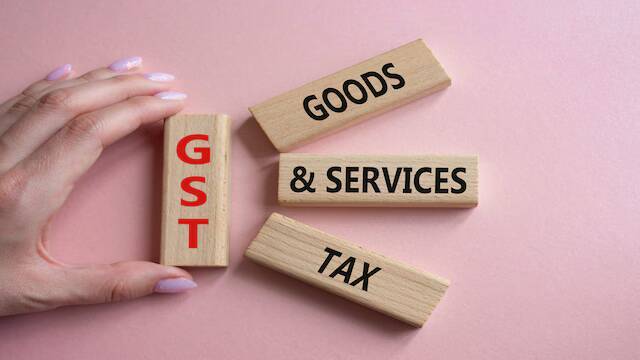
In a recent warning, the Government’s Central Board of Indirect Taxes and Customs (CBIC) has flagged concerns over fraudsters sending fake Goods and Services Tax (GST) notices to taxpayers. These fake notices, which use the CGST logo and a fake Document Identification Number (DIN), are being used to deceive taxpayers and extract sensitive information from them. The CBIC has advised taxpayers to verify the DIN mentioned in every communication on its portal to avoid falling prey to such scams.
The warning comes after a user complained about receiving a call from a purported GST officer on the microblogging platform X. The user claimed that the caller was asking for sensitive information, claiming that it was required for GST purposes. The CBIC replied to the user, stating that the call was likely a scam and that taxpayers should be cautious when receiving such calls or notices.
The use of fake DINs is a new tactic being used by fraudsters to make their notices appear genuine. The DIN is a unique number assigned to each communication sent by the CBIC, and it can be verified on the CBIC’s portal. The CBIC has advised taxpayers to check the DIN on its portal to verify the authenticity of any notice or communication they receive.
This is not the first time that fake GST notices have been reported. In the past, there have been instances of fraudsters sending fake notices and demands to taxpayers, claiming that they owe GST or that they need to pay a fine. These notices often use threatening language and create a sense of urgency, in an attempt to scare taxpayers into paying up or providing sensitive information.
The CBIC has warned taxpayers to be cautious and to verify the authenticity of any notice or communication they receive. Taxpayers can verify the DIN on the CBIC’s portal by following these steps:
- Log on to the CBIC’s portal at www.cbic.gov.in
- Click on the “Search” tab and select “DIN Search”
- Enter the DIN mentioned in the notice or communication
- If the DIN is genuine, the portal will display the details of the communication, including the date and time it was sent
If the DIN is not found on the portal, it is likely that the notice or communication is fake. Taxpayers who receive fake notices or communications should not respond to them or provide any sensitive information. Instead, they should report the incident to the CBIC or the local tax authorities.
The CBIC has also advised taxpayers to be aware of the following red flags when receiving notices or communications:
- If the notice or communication is not addressed to the taxpayer by name
- If the notice or communication does not mention a valid DIN
- If the notice or communication asks for sensitive information, such as bank account details or passwords
- If the notice or communication creates a sense of urgency or threatens penalties
In addition to verifying the DIN, taxpayers can also take other steps to protect themselves from fake GST notices. These include:
- Being cautious when receiving unsolicited calls or emails claiming to be from the GST department
- Not providing sensitive information to unknown callers or email senders
- Keeping their GST registration and other sensitive information up to date and secure
- Regularly checking their GST account and transaction history to detect any suspicious activity
In conclusion, the CBIC’s warning about fake GST notices is a timely reminder for taxpayers to be vigilant and to verify the authenticity of any notice or communication they receive. By verifying the DIN and being aware of the red flags, taxpayers can protect themselves from falling prey to such scams. It is also important for taxpayers to stay informed and up to date with the latest developments and warnings from the CBIC and other tax authorities.
Source: https://www.ndtvprofit.com/amp/nation/cbic-flags-fake-gst-notices-advises-taxpayers-to-verify-din
About the Author