Varthana Secures $6 mn Loan to Extend Safe Water Access in Schools
Access to safe water, sanitation, and hygiene (WASH) facilities is a fundamental human right, yet millions of people around the world, particularly in low-income communities, lack access to these basic necessities. In India, the situation is no different, with many schools in underserved areas struggling to provide their students with clean water and proper sanitation facilities. To address this critical issue, Varthana, a leading education-focused financial services company, has raised a $6 million loan from WaterEquity, a social impact investment firm dedicated to improving access to safe water and sanitation.
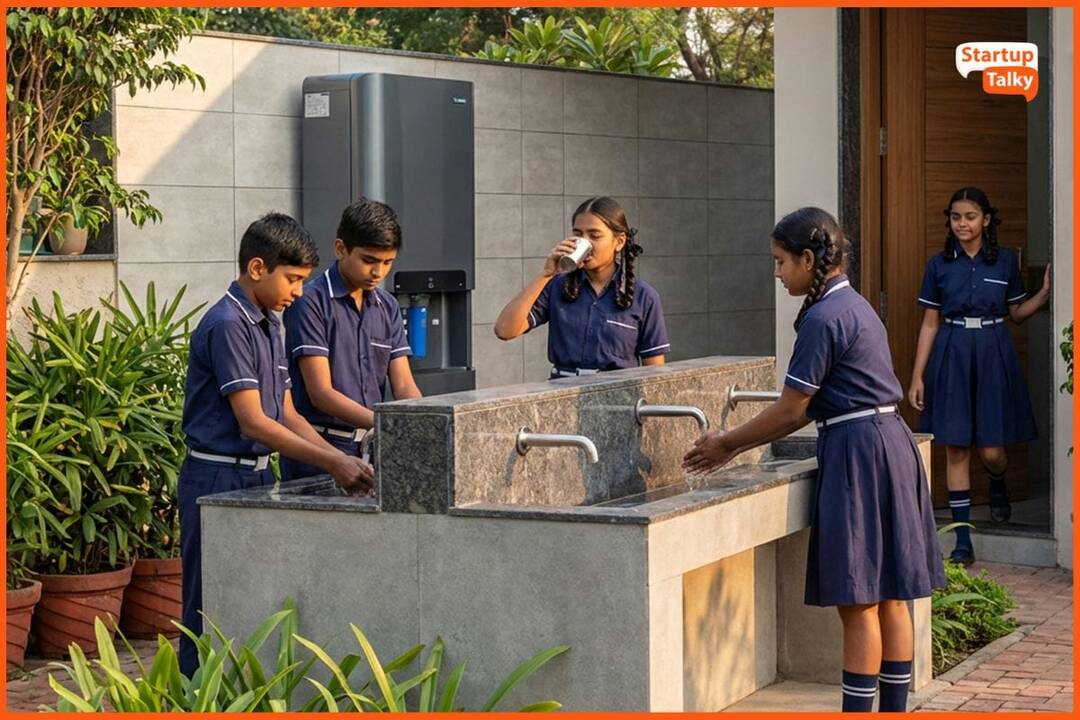
The funds will be used to expand access to WASH facilities in underserved schools across India, supporting infrastructure upgrades, new installations, and maintenance of WASH systems. This initiative aims to improve the health, attendance, and learning outcomes of students in low-income communities, who are disproportionately affected by the lack of access to safe water and sanitation. By providing safe and clean drinking water, proper toilets, and handwashing facilities, Varthana and WaterEquity are working together to create a healthier and more conducive learning environment for thousands of students.
The significance of access to safe water and sanitation cannot be overstated. According to the World Health Organization (WHO), every dollar invested in water and sanitation generates an average return of $4 in increased economic productivity. Moreover, access to safe water and sanitation has been shown to have a direct impact on health outcomes, with the WHO estimating that every year, 842,000 people die from diseases caused by inadequate water, sanitation, and hygiene. In the context of education, access to safe water and sanitation is particularly critical, as it enables students to attend school regularly, stay healthy, and focus on their studies.
Varthana’s partnership with WaterEquity is a significant step forward in addressing the WASH crisis in Indian schools. By leveraging WaterEquity’s expertise in water and sanitation financing, Varthana is well-positioned to scale its WASH initiatives and reach more schools and students across the country. The $6 million loan will be used to support a range of activities, including the construction of new toilets, the installation of water purification systems, and the provision of handwashing facilities.
One of the key benefits of this initiative is its potential to improve the health and well-being of students. By providing access to safe water and sanitation, Varthana and WaterEquity are helping to reduce the risk of water-borne illnesses, such as diarrhea and cholera, which are prevalent in many low-income communities. This, in turn, is expected to lead to improved attendance rates, as students will be less likely to miss school due to illness. Moreover, by providing a clean and healthy learning environment, the initiative aims to improve learning outcomes, as students will be better able to focus on their studies and achieve their full potential.
The partnership between Varthana and WaterEquity is also significant from a social impact perspective. By addressing the WASH crisis in Indian schools, the two organizations are helping to promote social equity and reduce poverty. Access to safe water and sanitation is a fundamental human right, and by providing this basic necessity, Varthana and WaterEquity are helping to level the playing field for students from low-income backgrounds. This, in turn, is expected to have a positive impact on social mobility, as students from disadvantaged backgrounds will have greater opportunities to succeed in life.
In conclusion, Varthana’s $6 million loan from WaterEquity is a significant milestone in the effort to improve access to safe water, sanitation, and hygiene facilities in underserved schools across India. By supporting infrastructure upgrades, new installations, and maintenance of WASH systems, the initiative aims to improve the health, attendance, and learning outcomes of students in low-income communities. As a social impact investment, this partnership has the potential to drive positive change and promote social equity, while also generating a financial return. As the world continues to grapple with the challenges of providing access to safe water and sanitation, initiatives like this one offer a beacon of hope for a healthier, more equitable future.
About the Author