She behaved horribly: Trump on woman shot by immigration officer
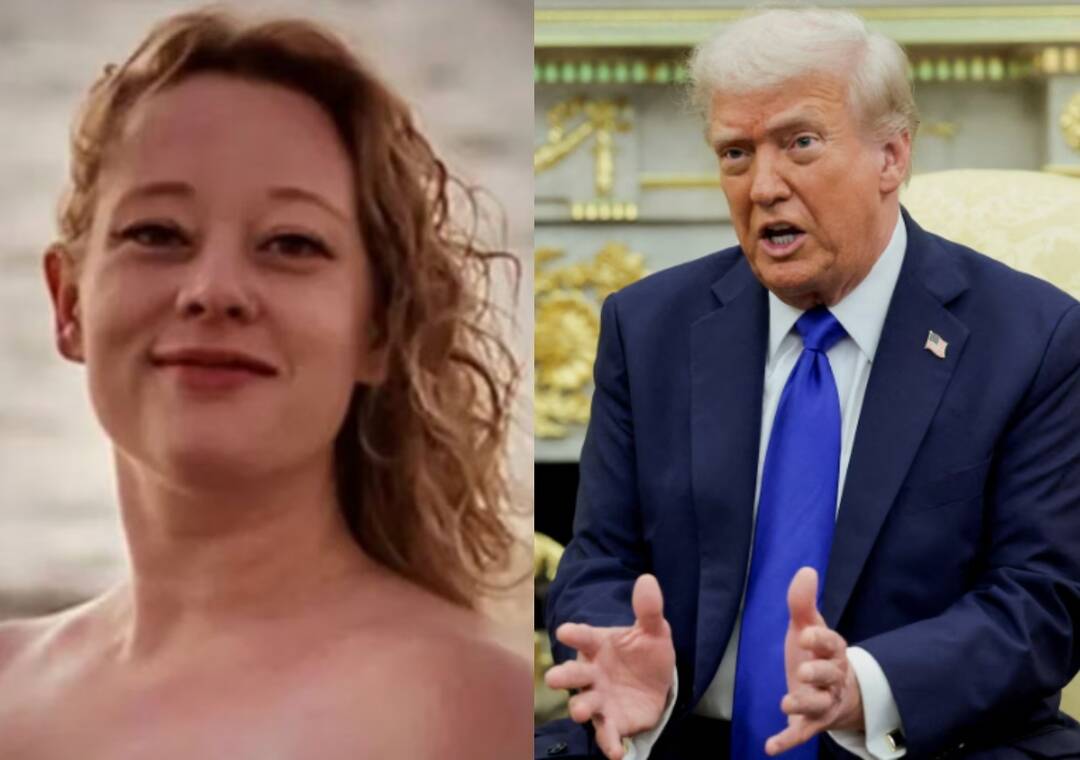
In a shocking turn of events, a 37-year-old woman was shot and killed by an Immigration and Customs Enforcement (ICE) officer in Minneapolis, US. The incident has sparked widespread protests across the United States, with many calling for justice and an end to police brutality. In response to the shooting, US President Donald Trump made some controversial comments, stating that the woman “behaved horribly” and tried to run over the officer.
According to reports, the woman, who has been identified as Renee Good, was shot by the ICE officer during a confrontation. The details of the incident are still unclear, but it is believed that Good was attempting to flee the scene when she was shot. The ICE officer, whose name has not been released, claimed that Good tried to run him over with her vehicle, prompting him to open fire.
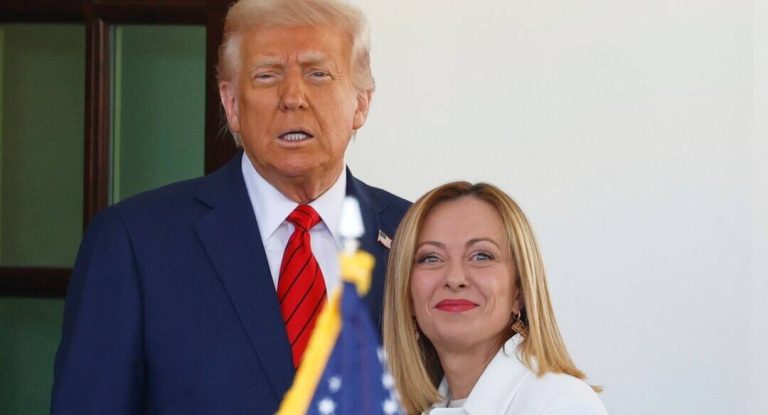
Trump’s comments on the incident have been widely criticized, with many accusing him of victim-blaming and justifying the use of excessive force by law enforcement. “She behaved horribly. And then she tried to run over the officer,” Trump said during a press conference, where he also played footage of the shooting. “With all of it being said…I don’t like that happening,” he added, in a statement that many saw as inadequate and insensitive.
The shooting of Renee Good has triggered protests across the US, with demonstrators taking to the streets to demand justice and accountability. Many have expressed outrage and sadness over the incident, calling for an end to police brutality and systemic racism. The protests have been largely peaceful, but there have been reports of clashes between demonstrators and law enforcement in some areas.
The incident has also sparked a wider conversation about the use of force by law enforcement, particularly against people of color and immigrants. Many have pointed out that the shooting of Renee Good is just the latest example of a long-standing problem of police brutality and racial profiling in the US. Others have criticized the Trump administration’s immigration policies, which they say have created a culture of fear and hostility towards immigrants and people of color.
As the investigation into the shooting continues, many are calling for transparency and accountability. The ICE officer involved in the shooting has been placed on administrative leave, pending the outcome of the investigation. The Minneapolis Police Department has also launched an investigation into the incident, which will be reviewed by the FBI and other federal agencies.
The incident has also raised questions about the role of ICE in the US, and the agency’s use of force in enforcing immigration laws. Many have criticized the Trump administration’s expansion of ICE’s powers, which they say has led to an increase in aggressive and militarized policing of immigrant communities.
In response to the protests and criticism, the Trump administration has defended the actions of the ICE officer, stating that he was simply doing his job and protecting himself and others from harm. However, many have disputed this claim, arguing that the use of deadly force was unnecessary and unjustified.
As the protests continue and the investigation into the shooting unfolds, one thing is clear: the shooting of Renee Good has sparked a national conversation about police brutality, systemic racism, and the use of force by law enforcement. It has also highlighted the need for greater transparency and accountability in law enforcement, particularly when it comes to the use of deadly force.
In conclusion, the shooting of Renee Good by an ICE officer in Minneapolis is a tragic and disturbing incident that has sparked widespread outrage and protests across the US. Trump’s comments on the incident have been widely criticized, and have only added to the controversy surrounding the shooting. As the investigation continues and the protests unfold, it is clear that this incident has touched a nerve in the US, and has highlighted the need for greater accountability and transparency in law enforcement.
About the Author