Varthana Secures $6 mn Loan to Extend Safe Water Access in Schools
Access to safe water, sanitation, and hygiene (WASH) facilities is a fundamental human right, yet millions of people around the world, particularly in low-income communities, lack access to these basic necessities. In India, the situation is no different, with many schools in underserved areas struggling to provide adequate WASH facilities for their students. This can have severe consequences on the health, attendance, and learning outcomes of students. To address this issue, Varthana, a leading education-focused financing company, has secured a $6 million loan from WaterEquity, a social impact investment fund dedicated to improving access to safe water and sanitation.
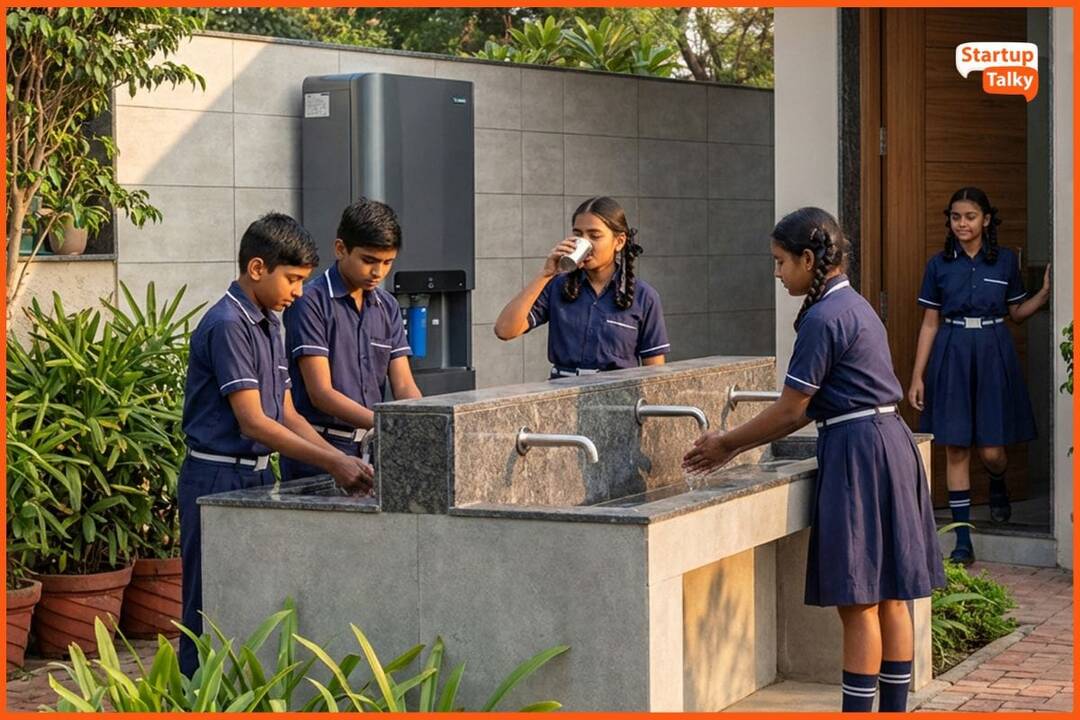
The loan will be used to expand access to safe water, sanitation, and hygiene facilities in underserved schools across India. The funds will support infrastructure upgrades, new installations, and maintenance of WASH systems, helping to improve the overall health and well-being of students in low-income communities. This initiative is a significant step towards addressing the pressing issue of lack of access to safe WASH facilities in Indian schools.
The State of WASH Facilities in Indian Schools
The lack of access to safe WASH facilities in Indian schools is a pervasive issue. According to a report by the Ministry of Education, many schools in India lack basic amenities such as toilets, drinking water, and handwashing facilities. This can lead to a range of health problems, including diarrhea, respiratory infections, and other water-borne diseases. Moreover, the lack of access to safe WASH facilities can also have a significant impact on attendance and learning outcomes, as students may be forced to miss school due to illness or other health-related issues.
The Impact of Varthana’s Initiative
Varthana’s initiative to expand access to safe WASH facilities in underserved schools across India has the potential to make a significant impact on the lives of thousands of students. By providing access to safe drinking water, sanitation, and hygiene facilities, Varthana’s initiative can help to reduce the incidence of water-borne diseases, improve attendance and learning outcomes, and promote overall health and well-being. Additionally, the initiative can also help to promote gender equality, as girls are often disproportionately affected by the lack of access to safe WASH facilities.
The Role of WaterEquity
WaterEquity, the social impact investment fund that provided the $6 million loan to Varthana, plays a critical role in supporting initiatives that improve access to safe water and sanitation. WaterEquity’s investment in Varthana’s initiative is a testament to the organization’s commitment to addressing the global water crisis and promoting sustainable development. By providing financing to organizations such as Varthana, WaterEquity is helping to scale up initiatives that can make a significant impact on the lives of people in low-income communities.
The Way Forward
The partnership between Varthana and WaterEquity is an example of the kind of collaborative effort that is needed to address the complex issue of lack of access to safe WASH facilities in Indian schools. To achieve sustainable and meaningful impact, it is essential to bring together organizations from different sectors, including government, non-profit, and private sector, to work towards a common goal. Additionally, it is crucial to ensure that initiatives such as Varthana’s are sustainable and scalable, so that they can be replicated in other parts of the country and have a broader impact.
In conclusion, Varthana’s initiative to expand access to safe WASH facilities in underserved schools across India is a significant step towards addressing the pressing issue of lack of access to safe WASH facilities in Indian schools. The partnership between Varthana and WaterEquity is a testament to the power of collaborative effort and social impact investing in driving positive change. As we move forward, it is essential to continue to support initiatives such as Varthana’s and to work towards a future where all students in India have access to safe, clean, and reliable WASH facilities.
About the Author