Khawaja Asif’s ‘Pak won’t need IMF in 6 months’ claim runs into a $10.6-bn wall: Report
In a recent statement, Khawaja Asif, a prominent figure in Pakistan’s government, claimed that the country will not require the assistance of the International Monetary Fund (IMF) in six months to save it from economic collapse. However, this assertion has been met with skepticism, and a report by Moneycontrol has highlighted the significant financial hurdles that Pakistan needs to overcome. The country’s economic woes are substantial, and Asif’s claim has run into a wall worth $10.6 billion, according to the report.
Pakistan’s economy has been facing significant challenges in recent years, including a large trade deficit, dwindling foreign exchange reserves, and a heavy reliance on external debt. The country has been negotiating with the IMF for a bailout package to help stabilize its economy, but the talks have been slow, and the IMF has been pushing Pakistan to implement significant economic reforms.
Asif’s claim that Pakistan will not need the IMF’s assistance in six months is based on the country’s ability to secure defense deals worth billions of dollars. Pakistan has been successful in converting its Operation Sindoor-linked propaganda into defense deals, which is a significant achievement. However, the report by Moneycontrol suggests that these deals alone will not be enough to save Pakistan from economic ruin.
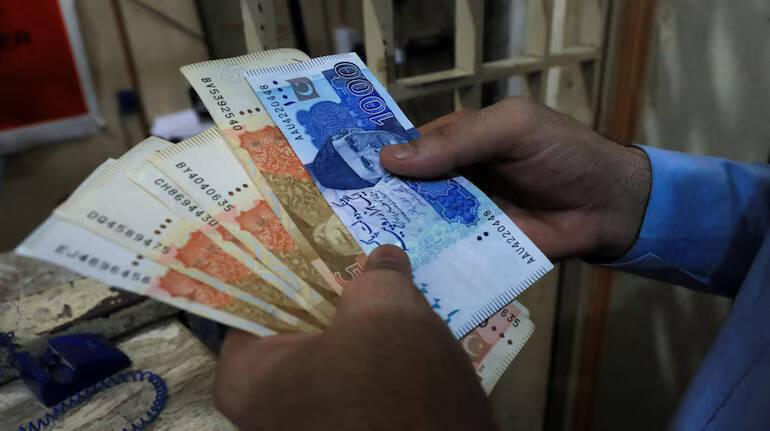
The main reason for this is that Pakistan owes a substantial amount of money to the IMF, totaling $10.6 billion. This debt is a significant burden on the country’s economy, and it will be challenging for Pakistan to pay it back without the IMF’s assistance. The report highlights that Pakistan’s external debt has been increasing rapidly, and the country’s ability to service its debt is under severe strain.
The IMF has been pushing Pakistan to implement significant economic reforms, including increasing taxes, reducing subsidies, and improving the business environment. However, these reforms have been slow to materialize, and the country’s economy continues to struggle. The report by Moneycontrol suggests that Asif’s claim is overly optimistic and that Pakistan will likely require the IMF’s assistance for a longer period.
The economic challenges facing Pakistan are complex and multifaceted. The country’s trade deficit is substantial, and its foreign exchange reserves are dwindling. The report by Moneycontrol highlights that Pakistan’s exports have been declining, while its imports have been increasing, leading to a significant trade deficit. The country’s foreign exchange reserves are barely enough to cover three months of imports, which is a significant concern.
In addition to its external debt, Pakistan is also facing significant domestic economic challenges. The country’s economy is heavily reliant on textiles and agriculture, which are vulnerable to external shocks. The report by Moneycontrol suggests that Pakistan needs to diversify its economy and increase its exports to reduce its reliance on external debt.
The claim by Asif that Pakistan will not need the IMF’s assistance in six months has been met with skepticism by economists and analysts. They argue that the country’s economic challenges are too significant to be overcome in such a short period. The report by Moneycontrol highlights that Pakistan needs to implement significant economic reforms and increase its exports to reduce its reliance on external debt.
In conclusion, the claim by Khawaja Asif that Pakistan will not need the IMF’s assistance in six months is overly optimistic. The country’s economic challenges are significant, and it will require a comprehensive and sustained effort to overcome them. The report by Moneycontrol highlights that Pakistan owes $10.6 billion to the IMF, which is a significant burden on the country’s economy. While the country has been successful in securing defense deals worth billions of dollars, these deals alone will not be enough to save Pakistan from economic ruin.
The Pakistani government needs to take a more realistic approach to addressing the country’s economic challenges. This includes implementing significant economic reforms, increasing taxes, reducing subsidies, and improving the business environment. The country also needs to diversify its economy and increase its exports to reduce its reliance on external debt. Only then can Pakistan hope to overcome its economic challenges and achieve sustainable economic growth.
About the Author