Varthana Secures $6 mn Loan to Extend Safe Water Access in Schools
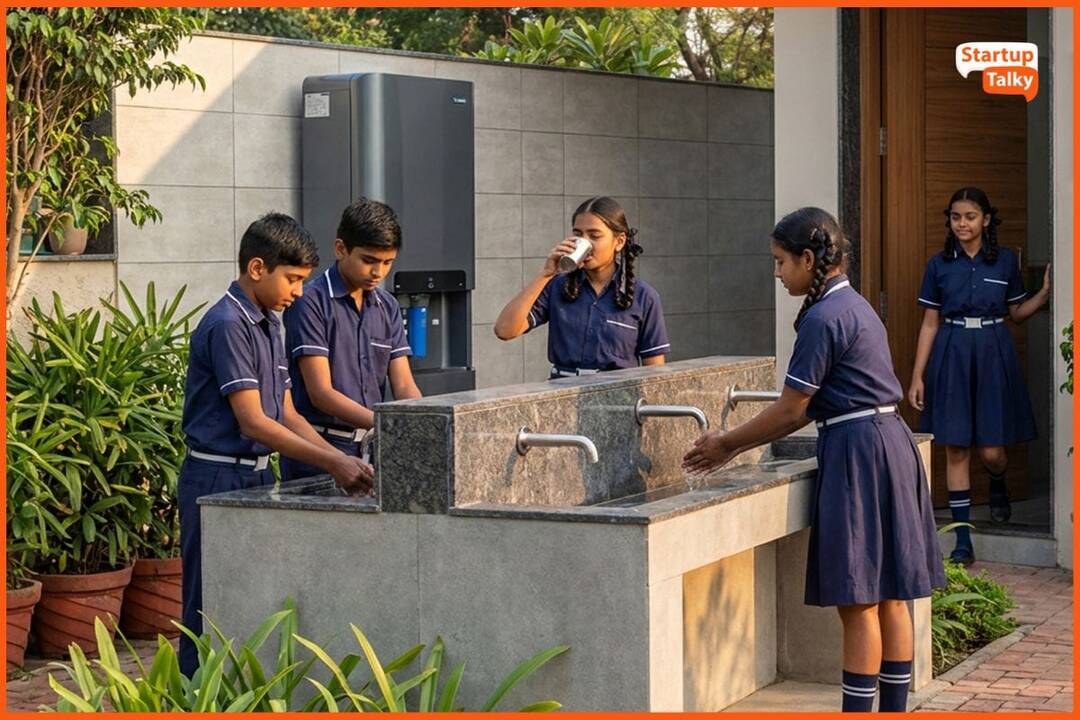
Access to safe water, sanitation, and hygiene (WASH) facilities is a fundamental human right, essential for the health, dignity, and well-being of individuals, particularly children. Unfortunately, many schools in low-income communities across India lack adequate WASH facilities, posing significant risks to the health and education of students. To address this critical issue, Varthana, a leading education-focused financial services company, has secured a $6 million loan from WaterEquity, a social impact investment firm dedicated to improving access to safe water and sanitation in emerging markets.
The loan will enable Varthana to expand its efforts to upgrade and install WASH facilities in underserved schools across India, benefiting thousands of students and promoting a healthier and more supportive learning environment. This significant investment underscores the critical importance of WASH facilities in schools and the need for innovative financing solutions to address this pressing issue.
The State of WASH Facilities in Indian Schools
The lack of access to safe WASH facilities in Indian schools is a stark reality. According to a report by the Ministry of Education, Government of India, in 2020, only 64% of schools in the country had access to functional toilets, while 55% had access to drinking water facilities. The situation is even more dire in rural areas, where 40% of schools lack access to toilets, and 30% lack access to drinking water facilities.
The consequences of inadequate WASH facilities in schools are far-reaching and devastating. Students, particularly girls, are forced to miss school due to lack of access to sanitation facilities, leading to poor attendance and learning outcomes. The risk of water-borne diseases, such as diarrhea and cholera, is also high, further compromising the health and well-being of students.
Varthana’s Commitment to Improving WASH Facilities in Schools
Varthana has been at the forefront of addressing the WASH crisis in Indian schools. With a strong focus on education and a deep understanding of the challenges faced by schools in low-income communities, the company has developed a comprehensive approach to improving WASH facilities.
The $6 million loan from WaterEquity will support Varthana’s efforts to upgrade existing WASH infrastructure, install new facilities, and provide maintenance and repair services to ensure the longevity of these facilities. The funds will also be used to promote awareness and education among students, teachers, and the broader community on the importance of WASH and hygiene practices.
Impact of the Loan on Students and Communities
The impact of the loan on students and communities will be significant. By providing access to safe WASH facilities, Varthana aims to:
- Improve health outcomes: Reduce the incidence of water-borne diseases and promote overall health and well-being among students.
- Increase attendance and learning outcomes: Enable students, particularly girls, to attend school regularly, leading to improved academic performance and learning outcomes.
- Promote dignity and equality: Provide girls with access to safe and private sanitation facilities, promoting dignity and equality in the classroom.
- Support community development: Foster a culture of hygiene and sanitation in schools and communities, contributing to the overall development and well-being of low-income communities.
Conclusion
The $6 million loan from WaterEquity to Varthana is a significant step towards addressing the WASH crisis in Indian schools. By providing access to safe WASH facilities, Varthana is not only improving the health and well-being of students but also promoting education and dignity. This investment underscores the critical importance of innovative financing solutions in addressing pressing social issues and promoting sustainable development.
As we move forward, it is essential to recognize the critical role that organizations like Varthana and WaterEquity play in addressing the WASH crisis in Indian schools. By supporting their efforts, we can help create a brighter future for thousands of students and promote a more equitable and just society.
About the Author