Sanjeev Arora gets Local Government dept in Punjab Cabinet rejig
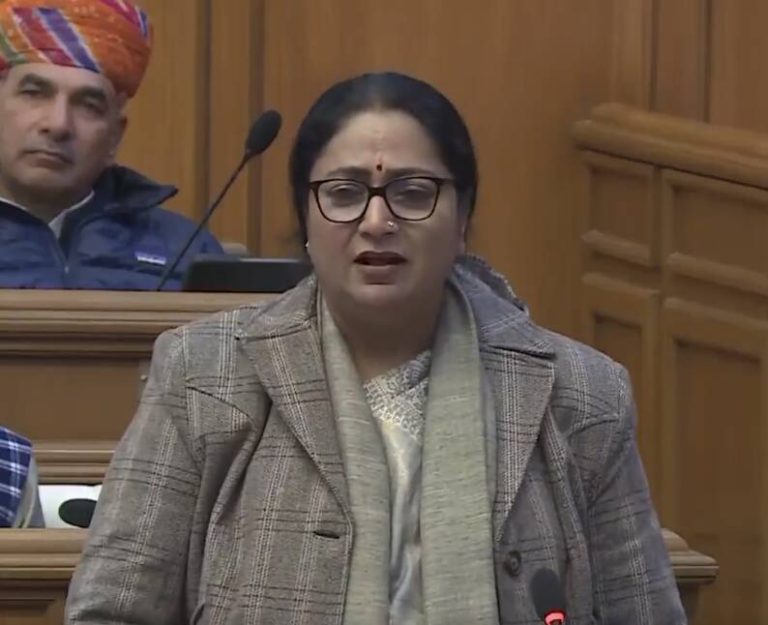
In a significant development, Punjab’s Industry, Investment Promotion and Power minister Sanjeev Arora has gained more power today in the Cabinet rejig, as he was assigned the Local Government department. Until now held by Dr. Ravjot, the department has been allocated to Arora, while the NRI Affairs department, previously held by Arora, has been given to Dr. Ravjot. This move is seen as a strategic decision to strengthen the Cabinet and enhance the efficiency of various departments.
The Local Government department is a crucial portfolio, responsible for overseeing the functioning of local bodies, including municipalities and panchayats. The department plays a vital role in ensuring the delivery of basic services such as water supply, sanitation, and infrastructure development at the grassroots level. With Arora at the helm, it is expected that the department will witness significant improvements in terms of governance and service delivery.
Sanjeev Arora, a seasoned politician, has been a key figure in the Punjab Cabinet. As the Industry, Investment Promotion and Power minister, he has been instrumental in driving the state’s economic growth and development. His efforts have led to the establishment of several new industries and investment projects, generating employment opportunities and revenue for the state. The allocation of the Local Government department to Arora is seen as a recognition of his capabilities and a move to leverage his expertise in governance and administration.
On the other hand, Dr. Ravjot, who previously held the Local Government department, has been assigned the NRI Affairs department. This department is responsible for addressing the concerns and issues of Non-Resident Indians (NRIs) and promoting their engagement with the state. Dr. Ravjot’s experience and expertise in governance and administration will be valuable assets in this new role, as he works to strengthen the bond between the state and its diaspora community.
The Cabinet reshuffle is seen as a strategic move by the Punjab government to optimize the functioning of various departments and enhance the overall governance of the state. The reallocation of portfolios is expected to bring about a more efficient and effective delivery of services, ultimately benefiting the people of Punjab.
The decision to assign the Local Government department to Sanjeev Arora has been welcomed by various stakeholders, including politicians, bureaucrats, and citizens. Many believe that Arora’s leadership and vision will help to transform the department and improve the quality of life for people in urban and rural areas.
However, some critics have raised concerns about the implications of the Cabinet reshuffle. They argue that the reallocation of portfolios may lead to a disruption in the functioning of certain departments, particularly those that have been performing well under their previous ministers. Others have expressed concerns about the potential for conflict of interest, as ministers take on new roles and responsibilities.
Despite these concerns, the Punjab government has expressed confidence in the new Cabinet arrangement. Officials believe that the changes will lead to a more cohesive and effective governance structure, enabling the state to achieve its development goals and improve the lives of its citizens.
In conclusion, the allocation of the Local Government department to Sanjeev Arora is a significant development in the Punjab Cabinet rejig. As the new minister, Arora is expected to bring about positive changes and improvements in the department, leveraging his experience and expertise in governance and administration. The Cabinet reshuffle is seen as a strategic move to optimize the functioning of various departments and enhance the overall governance of the state.
As the Punjab government moves forward with its new Cabinet arrangement, it is essential to monitor the progress and impact of these changes. The people of Punjab will be watching closely to see how the new ministers perform in their roles and how the state benefits from these changes.
About the Author