Khawaja Asif’s ‘Pak won’t need IMF in 6 months’ claim runs into a $10.6-bn wall: Report
In a recent statement, Pakistan’s Defence Minister Khawaja Asif claimed that the country will not need the International Monetary Fund (IMF) in six months to save it from economic collapse. However, this claim has run into a significant obstacle, worth $10.6 billion, according to a report by Moneycontrol. The report highlights the challenges faced by Pakistan in meeting its financial obligations, particularly its debt to the IMF.
Pakistan has been struggling with economic instability for several years, and the country’s financial situation has been exacerbated by various factors, including a significant trade deficit, low foreign exchange reserves, and a high debt-to-GDP ratio. The country has been relying on the IMF to bail it out of its economic woes, but the relationship between Pakistan and the IMF has been tumultuous, to say the least.
Despite the challenges, Pakistan has managed to secure significant defence deals in recent times, including those linked to its Operation Sindoor propaganda campaign. These deals are worth billions of dollars and have been touted as a major success for the country’s defence industry. However, the report by Moneycontrol suggests that these deals alone will not be enough to save Pakistan from economic ruin.
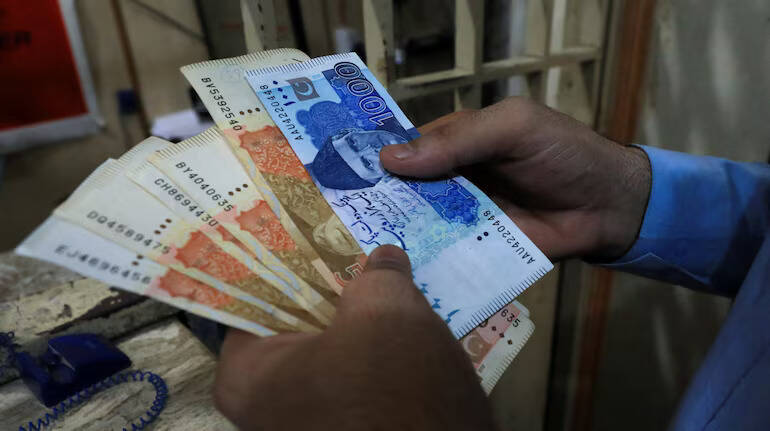
The main obstacle to Pakistan’s economic recovery is its significant debt to the IMF, which stands at $10.6 billion. This debt is a major burden on the country’s finances, and it will be difficult for Pakistan to pay it back without the help of the IMF. The report notes that Pakistan’s debt to the IMF is just one part of its overall debt, which includes debts to other countries and international organizations.
The claim by Khawaja Asif that Pakistan will not need the IMF in six months is seen as overly optimistic by many analysts. The country’s economic situation is complex, and it will require a comprehensive plan to address its financial challenges. While the defence deals secured by Pakistan are a positive development, they are not a substitute for a coherent economic strategy.
Furthermore, the report highlights the risks associated with Pakistan’s reliance on defence deals to drive its economy. The country’s defence industry is a significant sector, but it is not a sustainable driver of economic growth. The report notes that Pakistan needs to diversify its economy and reduce its reliance on a single sector.
In addition, the report raises concerns about the transparency and accountability of Pakistan’s defence deals. The country’s defence industry is shrouded in secrecy, and there is a lack of transparency about the terms and conditions of the deals. This lack of transparency has raised concerns about corruption and the potential for misuse of funds.
In conclusion, the claim by Khawaja Asif that Pakistan will not need the IMF in six months is unrealistic and ignores the significant challenges faced by the country. The $10.6 billion debt to the IMF is a major obstacle to Pakistan’s economic recovery, and it will require a comprehensive plan to address the country’s financial challenges. While the defence deals secured by Pakistan are a positive development, they are not a substitute for a coherent economic strategy. The country needs to diversify its economy, reduce its reliance on a single sector, and improve transparency and accountability in its defence deals.
The report by Moneycontrol highlights the complexities of Pakistan’s economic situation and the challenges faced by the country in meeting its financial obligations. It is clear that Pakistan will need to take a more comprehensive approach to address its economic challenges, and the claim by Khawaja Asif is not a realistic assessment of the country’s economic situation.
As the country struggles to meet its financial obligations, it is essential to have a clear understanding of the challenges faced by Pakistan. The report by Moneycontrol provides a detailed analysis of the country’s economic situation and highlights the risks associated with its reliance on defence deals. It is essential to consider these factors when assessing Pakistan’s economic prospects and the potential for the country to recover from its economic woes.
In the coming months, it will be crucial to monitor Pakistan’s economic situation closely and assess the country’s progress in addressing its financial challenges. The claim by Khawaja Asif that Pakistan will not need the IMF in six months will be tested, and it is likely that the country will continue to face significant economic challenges.
About the Author