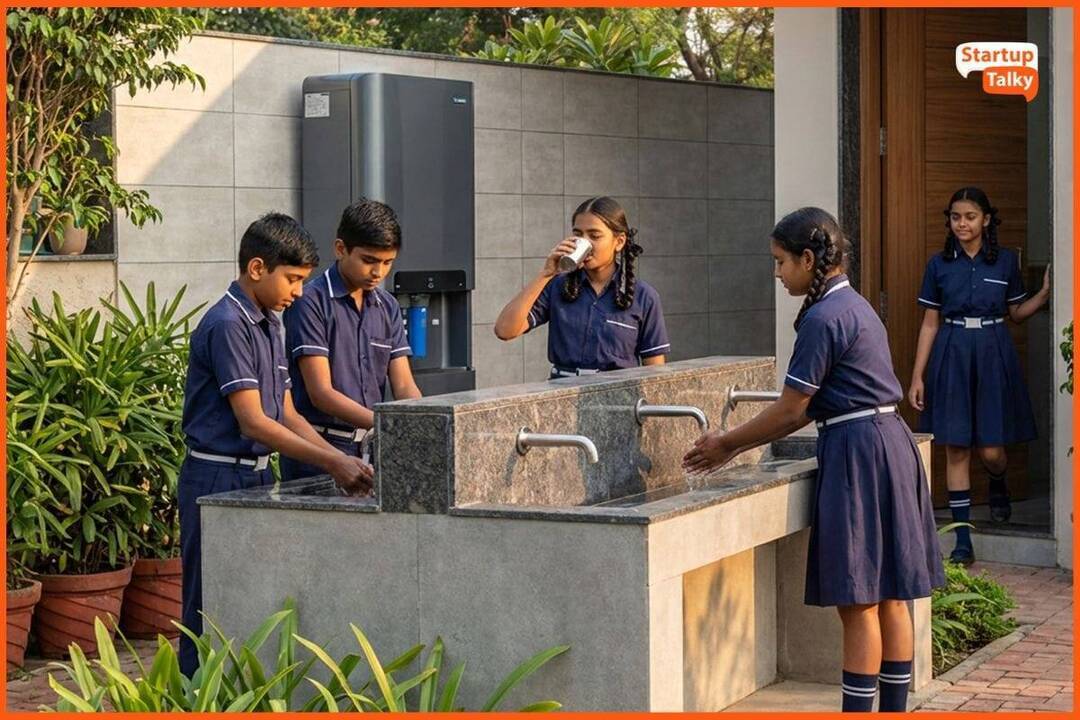
Varthana Secures $6 mn Loan to Extend Safe Water Access in Schools
Access to safe and clean water, sanitation, and hygiene (WASH) facilities is a fundamental human right, essential for maintaining good health, dignity, and overall well-being. Unfortunately, millions of people around the world, particularly in low-income communities, lack access to these basic necessities. In India, the situation is no different, with many schools in underserved areas struggling to provide their students with adequate WASH facilities. This can have severe consequences, including the spread of water-borne diseases, poor health, and reduced attendance and learning outcomes.
In an effort to address this critical issue, Varthana, a leading education-focused financing company, has secured a $6 million loan from WaterEquity, a social impact investment firm dedicated to improving access to safe water and sanitation in emerging markets. The funds will be used to expand access to WASH facilities in underserved schools across India, supporting infrastructure upgrades, new installations, and maintenance of WASH systems.
The partnership between Varthana and WaterEquity is a significant step forward in addressing the WASH crisis in Indian schools. With this loan, Varthana will be able to support schools in low-income communities, helping them to provide their students with safe and clean drinking water, sanitation facilities, and hygiene education. This, in turn, will have a positive impact on the health, attendance, and learning outcomes of students, ultimately contributing to the overall development of the community.
The importance of WASH facilities in schools cannot be overstated. Not only do they help to prevent the spread of water-borne diseases, but they also promote good hygiene practices, improve student health and well-being, and increase attendance and engagement in learning. Moreover, WASH facilities can also help to reduce the burden on girls and women, who often bear the responsibility of collecting water and managing household hygiene. By providing access to safe and clean WASH facilities, schools can help to promote gender equality and empower girls and women to pursue their education and career goals.
Varthana’s work in the education sector is highly commendable, and this partnership with WaterEquity is a testament to the company’s commitment to improving the lives of students in low-income communities. By leveraging its expertise in education financing, Varthana is able to support schools in accessing the resources they need to provide high-quality education and WASH facilities. The company’s approach is holistic, recognizing that education and WASH are closely intertwined and that investments in one area can have positive spillover effects in the other.
WaterEquity’s investment in Varthana is also a significant milestone in the company’s mission to improve access to safe water and sanitation in emerging markets. As a social impact investment firm, WaterEquity recognizes the critical role that WASH plays in promoting health, dignity, and economic development. By partnering with Varthana, WaterEquity is able to support a proven and effective model for delivering WASH facilities to underserved schools, while also generating a financial return on its investment.
The impact of this partnership will be felt across India, where millions of students are currently lacking access to safe and clean WASH facilities. By supporting the development of WASH infrastructure in schools, Varthana and WaterEquity are helping to promote a culture of health, hygiene, and education, which will have long-term benefits for individuals, communities, and the country as a whole.
In conclusion, the partnership between Varthana and WaterEquity is a powerful example of how social impact investing can be used to address some of the world’s most pressing development challenges. By providing access to safe and clean WASH facilities in underserved schools, Varthana and WaterEquity are helping to promote health, education, and economic development, while also generating a financial return on their investment. This model has the potential to be replicated in other contexts, demonstrating the potential of social impact investing to drive positive change and improve the lives of millions of people around the world.
About the Author