3 new species of ‘musical’ katydids discovered in Kashmir
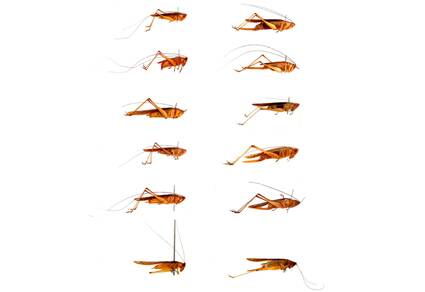
In a groundbreaking discovery, researchers surveying the lush meadows of Kashmir have stumbled upon three new species of “musical” meadow katydids, belonging to the genus Conocephalus. These insects, previously unrecorded in the region, have been named C usmanii, C nagariensis, and C ganderbali after meticulous studies. The finding not only sheds light on the rich biodiversity of Kashmir but also highlights the importance of continued exploration and documentation of the region’s unique fauna.
The research team, comprised of entomologists and zoologists, conducted an exhaustive survey of the meadows in Kashmir, meticulously collecting and analyzing specimens of katydids. The team’s efforts were rewarded with the discovery of the three new species, which were identified through a combination of morphological and molecular analyses. The species were named after prominent locations and personalities in the region, reflecting the team’s commitment to acknowledging the cultural and geographical significance of the discovery.
C usmanii, one of the newly discovered species, is characterized by its distinctive song pattern, which is unlike any other known species of katydid. The males of this species produce a unique melody, comprising a series of high-pitched chirps, which serves as a mating call to attract females. This remarkable ability to produce music has earned katydids the nickname “musical” insects, and C usmanii is no exception.
The second species, C nagariensis, is distinguished by its striking green coloration and elongated wings. This species is found in the higher elevations of the Kashmir meadows, where it inhabits areas with dense vegetation and abundant food sources. The researchers observed that C nagariensis is a skilled jumper, able to leap considerable distances with ease, allowing it to navigate its complex habitat with agility.
The third species, C ganderbali, is the most fascinating of the three, with its remarkable ability to mimic the calls of other katydid species. This phenomenon, known as “mimicry,” is a rare occurrence in the insect world, and C ganderbali is one of the few species that have mastered this art. The researchers believe that this unique ability may serve as a strategy to avoid predators or attract mates, and further studies are needed to fully understand the implications of this behavior.
In addition to the three new species, the research team also recorded several other known katydid species in the region that were not previously documented there. One such species is C longipennis, a common inhabitant of meadows and grasslands in other parts of the world. The presence of C longipennis in Kashmir highlights the region’s connectivity to other geographical areas and underscores the need for continued exploration and documentation of the region’s biodiversity.
The discovery of these new species of katydids in Kashmir has significant implications for our understanding of the region’s ecological dynamics. Katydids play a vital role in the ecosystem, serving as both predators and prey, and their presence can have a cascading effect on the entire food chain. The introduction of new species to the region can also lead to changes in the local ecosystem, potentially altering the balance of power among existing species.
The research team’s findings also underscore the importance of conservation efforts in the region. The Kashmir meadows, with their unique flora and fauna, are facing numerous threats, including habitat destruction, climate change, and human activities such as overgrazing and tourism. The discovery of these new species highlights the need for urgent conservation measures to protect the region’s biodiversity and preserve its natural beauty for future generations.
In conclusion, the discovery of three new species of “musical” katydids in Kashmir is a significant breakthrough that sheds light on the region’s rich biodiversity. The research team’s findings not only contribute to our understanding of the region’s ecological dynamics but also highlight the importance of continued exploration and documentation of the region’s unique fauna. As we continue to explore and learn more about the natural world, it is essential that we prioritize conservation efforts to protect these incredible species and the ecosystems they inhabit.
News Source: https://mapress.com/zt/article/view/zootaxa.5737.4.4
About the Author