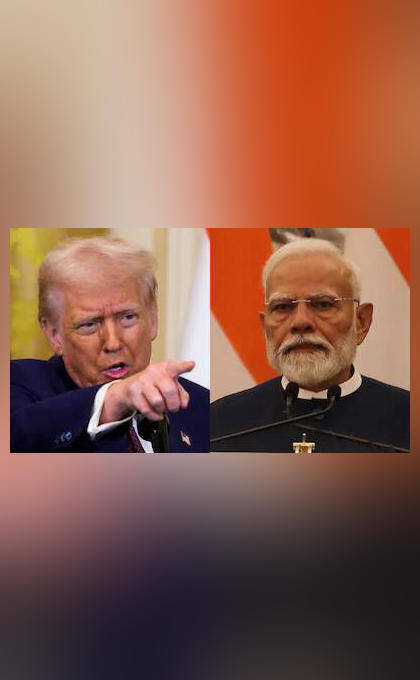
PM Modi is not happy with me: Trump
In a recent speech on Tuesday, US President Donald Trump expressed his thoughts on his relationship with Indian Prime Minister Narendra Modi. While acknowledging their good rapport, Trump revealed that PM Modi is not happy with him, citing India’s significant payment of tariffs on Russian oil purchases. This statement has sparked interest in the international community, highlighting the complexities of global diplomacy and trade relationships.
According to Trump, despite having a strong bond with PM Modi, the Indian leader’s dissatisfaction stems from the substantial tariffs India has been paying on Russian oil imports. Trump stated, “I have a very good relationship with PM (Narendra) Modi, but he is not happy with me as India is paying a lot of tariffs over Russian oil purchase.” This comment suggests that the tariffs imposed on Russian oil have become a point of contention between the two nations, affecting their otherwise positive relationship.
It is worth noting that India has been one of the largest buyers of Russian oil, taking advantage of discounted prices amid Western sanctions. However, this has led to tensions with the US, which has been pushing its allies to reduce their dependence on Russian energy. The US has imposed sanctions on Russian oil exports, aiming to limit Moscow’s revenue and weaken its economy. As a result, countries like India that continue to purchase Russian oil are subject to tariffs and other trade restrictions.
In an effort to mitigate these tensions, Trump announced that India has now substantially reduced its purchase of Russian oil. This move is likely an attempt to appease the US and avoid further trade disputes. By reducing its dependence on Russian oil, India aims to demonstrate its commitment to cooperation with the US and other Western nations.
In addition to discussing trade relationships, Trump also touched on the topic of defense cooperation between the US and India. He mentioned the potential sale of Apache helicopters to India, highlighting the strength of their bilateral ties. The sale of these advanced military aircraft would not only enhance India’s defense capabilities but also demonstrate the US’s commitment to supporting its strategic partner.
The comments made by Trump during his speech provide valuable insights into the intricate dynamics of international diplomacy. The relationship between the US and India is a prime example of how global leaders navigate complex issues, balancing their national interests with the need for cooperation and mutual understanding.
As the world’s largest democracies, the US and India share a deep and abiding friendship, rooted in their commitment to freedom, democracy, and human rights. However, their partnership is not without its challenges. The issue of Russian oil tariffs is just one example of the many complexities that arise when nations with different interests and priorities engage in international trade and diplomacy.
In recent years, the US has been actively seeking to strengthen its ties with India, recognizing the country’s growing economic and strategic importance. The two nations have collaborated on a range of issues, from counter-terrorism to trade and investment. Nevertheless, their relationship is not immune to disagreements and tensions, as evidenced by the current dispute over Russian oil tariffs.
As the global landscape continues to evolve, it is likely that the US-India relationship will face new challenges and opportunities. The ability of leaders like Trump and PM Modi to navigate these complexities and find common ground will be crucial in shaping the future of their nations’ partnership.
In conclusion, Trump’s recent comments on his relationship with PM Modi offer a fascinating glimpse into the world of international diplomacy. The issue of Russian oil tariffs has highlighted the tensions that can arise between nations with different interests and priorities. However, it also demonstrates the willingness of global leaders to engage in dialogue and find solutions to complex problems. As the US and India continue to navigate their bilateral relationship, it is essential to recognize the value of cooperation and mutual understanding in addressing the challenges of the 21st century.
About the Author