3 new species of ‘musical’ katydids discovered in Kashmir
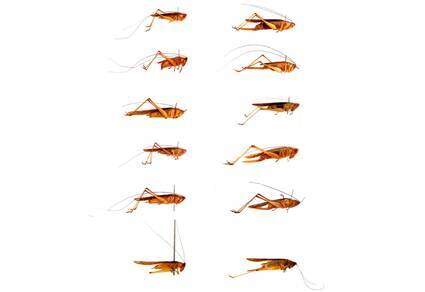
In a groundbreaking discovery, researchers surveying the lush meadows of Kashmir have identified three new species of “musical” meadow katydids, previously unrecorded in the region. The findings, which shed new light on the biodiversity of the area, have been published in a recent study. The newly discovered species, belonging to the genus Conocephalus, have been named C usmanii, C nagariensis, and C ganderbali, following detailed analyses and comparisons with existing species.
Kashmir, known for its stunning natural beauty, is home to a wide range of flora and fauna. The region’s unique geography, with its blend of Himalayan and subtropical ecosystems, supports a diverse array of insect life. The meadows of Kashmir, in particular, are a haven for entomologists, with their vibrant wildflowers and grasses providing a perfect habitat for various insect species. The recent discovery of the new katydid species is a testament to the region’s rich biodiversity and highlights the need for further exploration and research.
The research team, comprising experts in entomology and taxonomy, conducted an exhaustive survey of the meadows in Kashmir to document the region’s katydid fauna. The survey involved meticulous observations, collections, and analyses of specimens, which led to the identification of the three new species. The team used a combination of morphological and molecular techniques to confirm the distinctiveness of the new species and to determine their phylogenetic relationships with other Conocephalus species.
The newly discovered species, C usmanii, C nagariensis, and C ganderbali, are characterized by their unique morphological features, such as distinctive color patterns, wing shapes, and song structures. Like other members of the Conocephalus genus, these species are known for their “musical” abilities, with males producing complex songs to attract females and defend territories. The songs, which are generated by the insects’ wings, are an essential component of their mating behavior and play a crucial role in species recognition.
In addition to the three new species, the research team also recorded several other known katydid species in the region that were not previously documented there. One such species, C longipennis, is a widespread and common katydid found in various parts of Asia. The presence of this species in Kashmir highlights the region’s connectivity with other parts of the continent and underscores the need for further research into the biogeography of the area.
The discovery of the new katydid species in Kashmir has significant implications for our understanding of the region’s biodiversity and ecosystem dynamics. Katydids, as herbivores, play a vital role in shaping the vegetation structure and composition of their habitats. They are also an important food source for various animals, including birds, bats, and spiders. The presence of these new species in Kashmir adds to the region’s already impressive array of insect life and highlights the importance of preserving and protecting the area’s natural habitats.
The study’s findings also underscore the importance of continued exploration and research into the natural world. Despite significant advances in our understanding of biodiversity, many regions, including Kashmir, remain underexplored, and new species are still being discovered at an unprecedented rate. The discovery of the three new katydid species in Kashmir is a reminder of the wonders that await us in the natural world and highlights the need for sustained efforts to document and protect the world’s biodiversity.
In conclusion, the discovery of three new species of “musical” meadow katydids in Kashmir is a significant finding that highlights the region’s rich biodiversity and underscores the need for further research into the area’s ecosystem dynamics. The study’s findings have important implications for our understanding of the natural world and remind us of the importance of preserving and protecting the world’s biodiversity. For more information on this study, please visit https://mapress.com/zt/article/view/zootaxa.5737.4.4
News Source: https://mapress.com/zt/article/view/zootaxa.5737.4.4
About the Author