Paijaan’s jalwa in Pak: BJP on AI video showing Gogoi as Akshaye in ‘Fa9la’ song
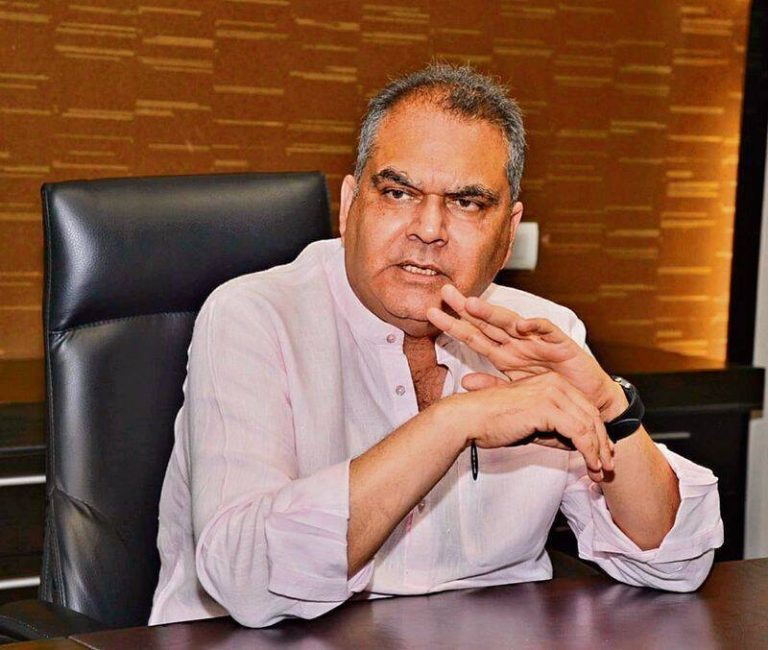
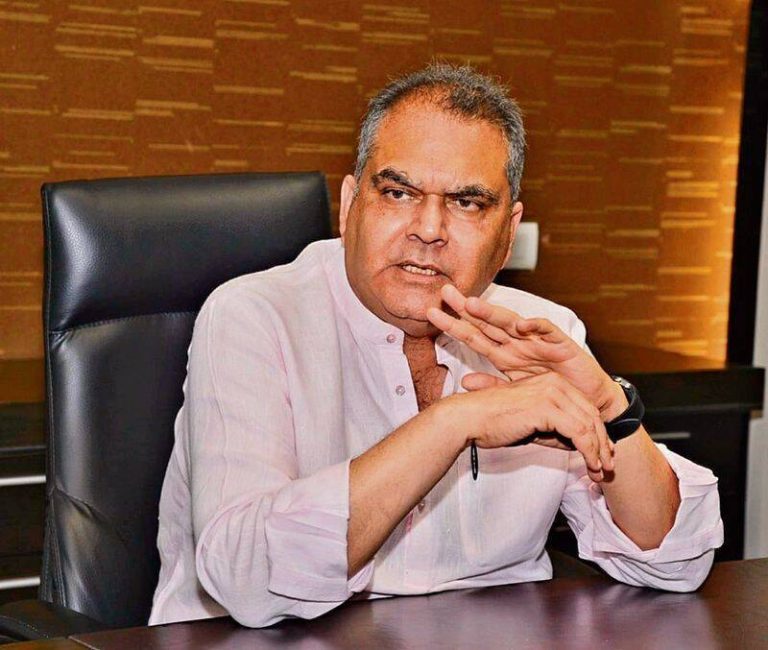
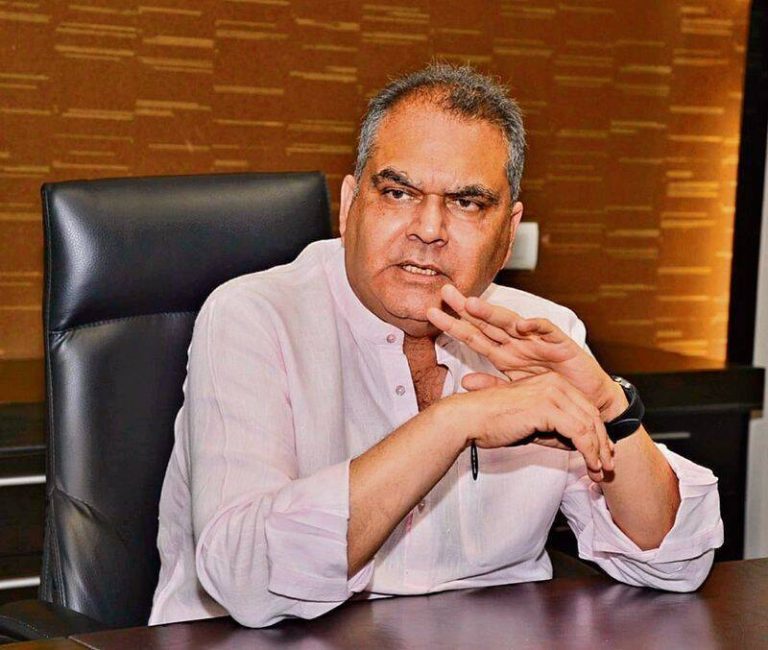
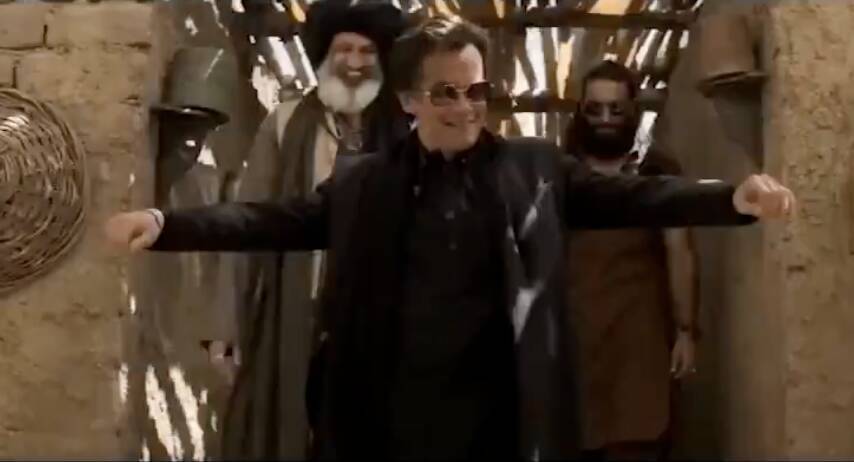
In a bizarre incident, the Bharatiya Janata Party’s (BJP) Assam unit has shared a video on social media platform X, which has sparked controversy and raised eyebrows. The video in question shows a character named Rehman Dakait, played by Akshaye Khanna in the movie ‘Dhurandhar’, with the actor’s face edited to resemble Congress leader Gaurav Gogoi. The edited video features Gogoi’s face superimposed on Akshaye Khanna’s body, dancing to the popular song ‘Fa9la’ in a Pakistani setting.
The video was captioned, “Jalwa hain Paaijaan ka Pakistan mein,” which translates to “Paijaan’s splendor is in Pakistan.” The caption suggests that the BJP is implying that Gaurav Gogoi has some sort of connection or influence in Pakistan, which is a neighboring country with which India has a complex and often contentious relationship.
The BJP has previously alleged links between Gaurav Gogoi and Pakistan, although these claims have not been substantiated. The party has been critical of Gogoi and the Congress party, accusing them of being soft on national security and having ties with foreign entities.
The use of artificial intelligence (AI) to create the edited video has raised questions about the authenticity and intent behind the BJP’s actions. While AI technology has made it possible to create convincing and realistic edits, it also raises concerns about the potential for misinformation and manipulation.
The video has sparked a heated debate on social media, with many users criticizing the BJP for its actions. Some have accused the party of engaging in dirty politics and using AI to spread false information. Others have defended the party, saying that the video is a harmless joke and that people should not be so sensitive.
However, the implications of the video go beyond a simple joke or meme. The use of AI to create fake content can have serious consequences, particularly in the context of politics and national security. It can be used to spread misinformation, manipulate public opinion, and even influence the outcome of elections.
In this case, the video appears to be an attempt to discredit Gaurav Gogoi and the Congress party by suggesting that they have links with Pakistan. However, the BJP’s actions have been widely criticized, and many have accused the party of engaging in below-the-belt politics.
The incident highlights the need for greater awareness and regulation of AI technology, particularly in the context of politics and social media. As AI becomes increasingly sophisticated, it is essential to ensure that it is used responsibly and ethically.
In conclusion, the BJP’s decision to share a video showing Gaurav Gogoi as Akshaye Khanna in the song ‘Fa9la’ in Pakistan is a controversial and potentially damaging move. The use of AI to create fake content raises serious questions about the party’s intentions and the potential consequences of such actions. As the debate continues to unfold, it is essential to consider the implications of AI technology and its potential impact on politics and society.
Source: https://x.com/BJP4Assam/status/2007750036869005660
About the Author