Paijaan’s jalwa in Pak: BJP on AI video showing Gogoi as Akshaye in ‘Fa9la’ song
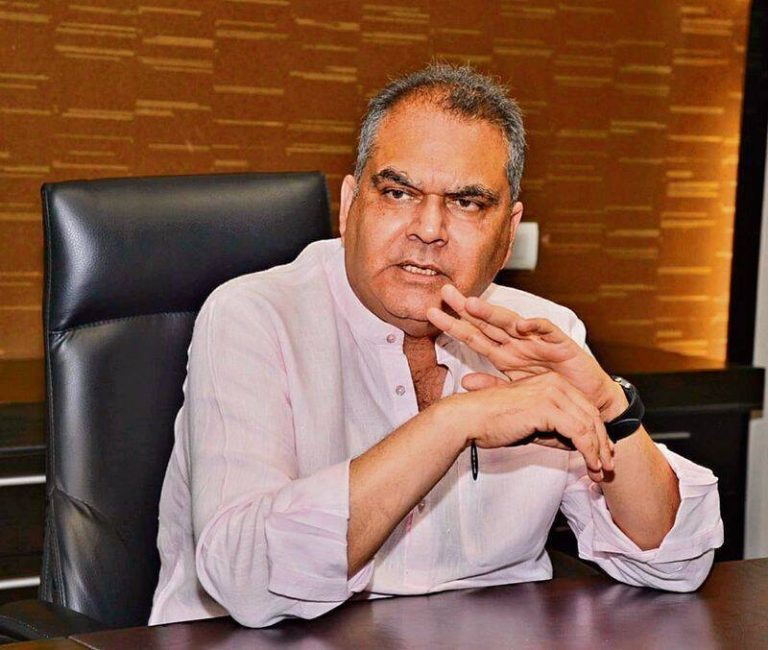
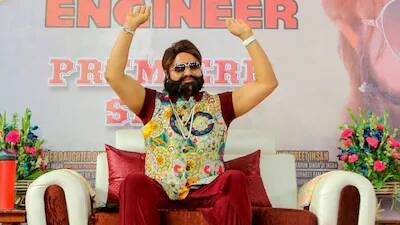
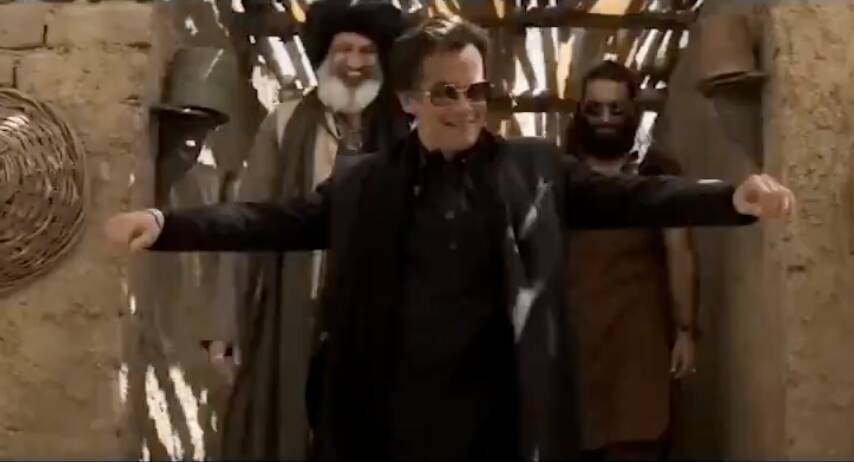
In a bizarre incident, the Assam unit of the Bharatiya Janata Party (BJP) has sparked controversy by sharing a manipulated video on social media platform X. The video, which has been making rounds on the internet, shows a character from a movie with the face edited to resemble Congress leader Gaurav Gogoi. The character, Rehman Dakait, played by Akshaye Khanna in the movie ‘Dhurandhar’, can be seen dancing to the song ‘Fa9la’ in a Pakistani setting.
The video was captioned, “Jalwa hain Paaijaan ka Pakistan mein,” which roughly translates to “Paijaan’s grandeur in Pakistan.” The BJP has previously alleged links between Gaurav Gogoi and Pakistan, and this recent video seems to be an attempt to reinforce those claims. However, the authenticity and intent behind the video have raised several questions.
For those who may be unaware, ‘Fa9la’ is a popular song from a Pakistani movie, and the video shows Gaurav Gogoi’s face superimposed on the character of Rehman Dakait, dancing to the song in a Pakistani setting. The video has been created using artificial intelligence (AI) technology, which has become increasingly sophisticated in recent years. The level of editing and manipulation in the video is quite impressive, making it difficult to distinguish between the original and the edited version.
The BJP’s Assam unit shared the video on X, with the apparent intention of mocking Gaurav Gogoi and reinforcing their previous allegations of his links with Pakistan. However, the video has sparked a mixed reaction on social media, with some people criticizing the BJP for spreading misinformation and others appreciating the creativity and humor behind the video.
It is essential to note that the video is a clear example of deepfake technology, which has become a significant concern in recent years. Deepfakes refer to videos or audio recordings that have been manipulated using AI to create a realistic but false representation of someone. The technology has raised concerns about its potential misuse in spreading misinformation and propaganda.
In this case, the BJP’s use of deepfake technology to create a manipulated video of Gaurav Gogoi has raised questions about the ethics and intent behind such actions. While the video may be seen as a joke or a form of satire by some, it can also be perceived as a malicious attempt to defame and discredit a political opponent.
The Congress party has not officially responded to the video, but it is likely that they will condemn the BJP’s actions and accuse them of spreading misinformation. The incident highlights the increasing use of social media and technology in politics, which can be both a blessing and a curse.
On one hand, social media has provided politicians with a platform to connect with their constituents and share their messages directly. On the other hand, it has also created an environment where misinformation and propaganda can spread quickly, often with serious consequences.
In this context, it is crucial for political parties and individuals to be responsible and ethical in their use of social media and technology. They must ensure that the information they share is accurate and trustworthy, and that they do not engage in activities that can harm or defame others.
The incident also highlights the need for greater awareness and regulation of deepfake technology. While the technology has the potential to be used for creative and positive purposes, it can also be misused to spread misinformation and propaganda. It is essential for governments and regulatory bodies to take steps to prevent the misuse of deepfake technology and ensure that it is used responsibly.
In conclusion, the BJP’s Assam unit has sparked controversy by sharing a manipulated video showing Gaurav Gogoi as Akshaye Khanna in the song ‘Fa9la’ in Pakistan. While the video may be seen as a joke or a form of satire by some, it raises serious questions about the ethics and intent behind such actions. The incident highlights the need for greater awareness and regulation of deepfake technology and the importance of responsible and ethical use of social media and technology in politics.
Source: https://x.com/BJP4Assam/status/2007750036869005660
About the Author