Paijaan’s jalwa in Pak: BJP on AI video showing Gogoi as Akshaye in ‘Fa9la’ song
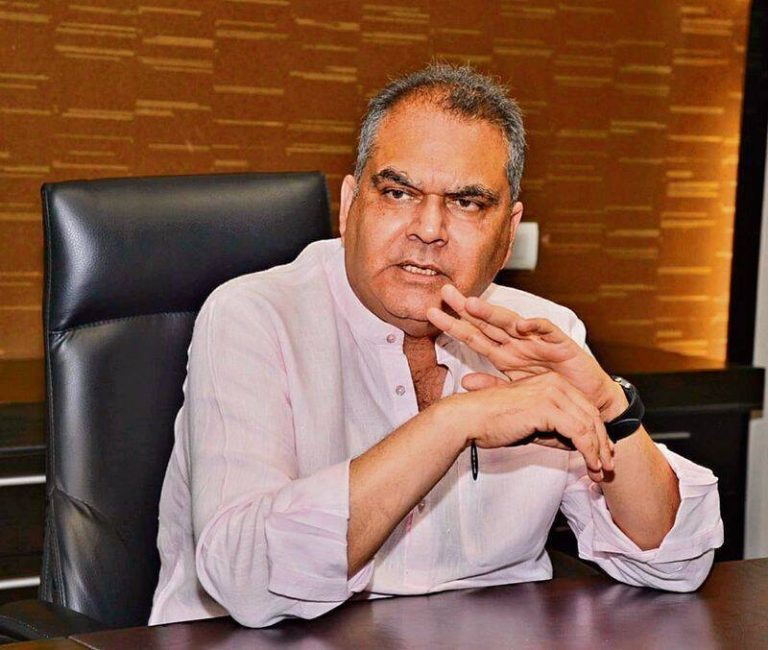
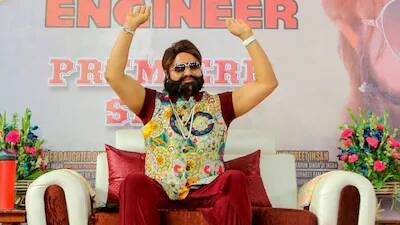
In a bizarre and entertaining turn of events, the Bharatiya Janata Party’s (BJP) Assam unit has shared a video on social media platform X, showcasing a deepfake video of Congress leader Gaurav Gogoi dancing to the song ‘Fa9la’ in Pakistan. The video, which has been making waves online, features Gogoi’s face edited onto the body of Rehman Dakait, played by Akshaye Khanna in the movie ‘Dhurandhar’. The caption accompanying the video reads, “Jalwa hain Paaijaan ka Pakistan mein,” which roughly translates to “Paijaan’s splendor in Pakistan.”
The video in question has been created using artificial intelligence (AI) technology, which allows for the manipulation of audio and visual content to create realistic but fake videos. In this case, the AI algorithm has been used to superimpose Gogoi’s face onto the body of Akshaye Khanna, creating a convincing but entirely fictional video. The song ‘Fa9la’ is a popular Pakistani song, and the video shows Gogoi, or rather his digital doppelganger, dancing to the tune in various locations in Pakistan.
The BJP’s Assam unit has been vocal about their allegations of links between Gaurav Gogoi and Pakistan, and this video appears to be an extension of those claims. By sharing this video, the BJP is attempting to insinuate that Gogoi has ties to Pakistan, and that he is somehow associated with the country. However, it is essential to note that these allegations are entirely unfounded and lack any concrete evidence.
The use of AI-generated content in politics is a relatively new phenomenon, and it raises important questions about the dissemination of information and the potential for misinformation. While the video in question is clearly labeled as a joke, it highlights the ease with which AI technology can be used to create convincing but fake content. This has significant implications for the way we consume and process information, particularly in the context of politics.
In recent years, deepfake technology has become increasingly sophisticated, allowing for the creation of highly realistic videos that can be used to manipulate public opinion. The potential for misuse of this technology is vast, and it is crucial that we develop strategies to combat the spread of misinformation and disinformation.
The BJP’s decision to share this video on social media has sparked a heated debate, with some users criticizing the party for resorting to cheap tactics and others praising their creativity. While the video is undoubtedly entertaining, it is essential to separate fact from fiction and not take such content at face value.
Gaurav Gogoi, the Congress leader at the center of the controversy, has not responded to the video, and it is unclear whether he will choose to address the allegations made by the BJP. However, the fact that the BJP has resorted to using AI-generated content to make their point raises questions about the validity of their claims and the motivations behind their actions.
In conclusion, the video shared by the BJP’s Assam unit is a clear example of the creative and often misleading ways in which AI technology can be used in politics. While the video itself is harmless and entertaining, it highlights the need for a critical and nuanced approach to the consumption of information, particularly in the context of politics.
As we move forward in this digital age, it is crucial that we develop strategies to combat the spread of misinformation and disinformation. This includes being aware of the potential for AI-generated content, verifying the sources of information, and approaching claims with a healthy dose of skepticism.
News Source: https://x.com/BJP4Assam/status/2007750036869005660
About the Author