Paijaan’s jalwa in Pak: BJP on AI video showing Gogoi as Akshaye in ‘Fa9la’ song
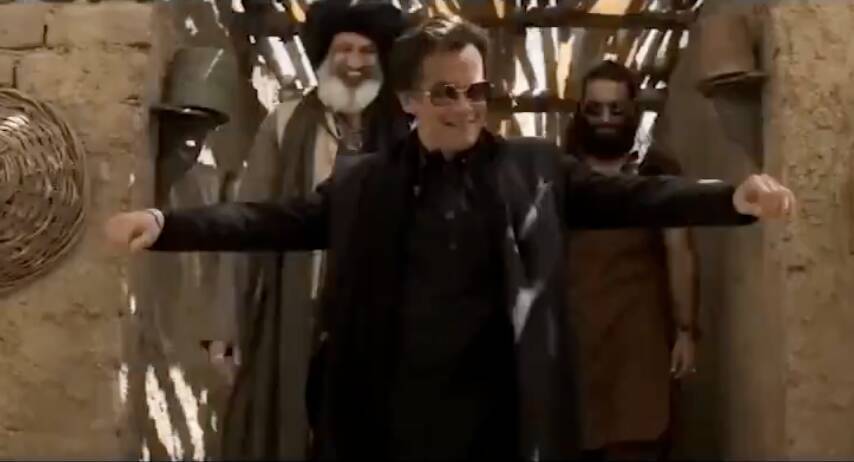
In a bizarre incident, the Bharatiya Janata Party’s (BJP) Assam unit has shared a video on social media platform X, showcasing a doctored clip of Congress leader Gaurav Gogoi dancing to the popular song ‘Fa9la’ in Pakistan. The video, which has been edited using Artificial Intelligence (AI), features Rehman Dakait, played by Akshaye Khanna in the movie ‘Dhurandhar’, with the actor’s face replaced by Gogoi’s. The caption accompanying the video reads, “Jalwa hain Paaijaan ka Pakistan mein,” which roughly translates to “Paijaan’s aura is in Pakistan.”
The video has sparked a flurry of reactions on social media, with many users expressing their amusement and shock at the creative yet controversial edit. The BJP’s Assam unit has been vocal about their allegations against Gaurav Gogoi, claiming that he has links with Pakistan. This video appears to be an attempt to further emphasize these claims, albeit in a rather unconventional manner.
For those who may be unaware, ‘Fa9la’ is a popular song that has been making waves on social media platforms, with many users sharing their own dance videos and edits. The song’s catchy beat and energetic tempo have made it a favorite among music enthusiasts, and it’s not uncommon to see people dancing to it in various settings. However, the context in which this particular video has been shared is what makes it noteworthy.
The BJP’s Assam unit has been engaged in a war of words with the Congress party, with both sides exchanging barbs and allegations. The saffron party has been accusing Gogoi of having ties with Pakistan, a claim that the Congress leader has vehemently denied. This video can be seen as an attempt by the BJP to further sensationalize these allegations and create a narrative that Gogoi is somehow connected to Pakistan.
It’s worth noting that the use of AI-generated content in politics is becoming increasingly common. With the advancement of technology, it’s become easier for parties and individuals to create convincing yet fake videos and images that can be used to sway public opinion. While this can be an effective tool for political campaigns, it also raises concerns about the spread of misinformation and the potential for manipulation.
In this case, the video shared by the BJP’s Assam unit is clearly edited, and the caption makes it clear that it’s meant to be a humorous take on the situation. However, the fact that it’s being used to make a political point raises questions about the boundaries of what’s acceptable in political discourse. Should parties be using doctored videos and AI-generated content to make allegations against their opponents, or does this cross a line into the realm of misinformation and propaganda?
As the video continues to garner attention on social media, it’s likely that we’ll see more reactions and responses from both the BJP and the Congress party. The fact that the BJP’s Assam unit felt the need to create and share this video suggests that they’re trying to tap into the public’s perception of Gogoi and his alleged links to Pakistan. Whether this strategy will pay off remains to be seen, but one thing is certain – the use of AI-generated content in politics is here to stay, and we can expect to see more of it in the future.
In conclusion, the video shared by the BJP’s Assam unit is a reflection of the increasingly creative and unconventional ways in which political parties are using social media to further their agendas. While it’s unclear what impact this video will have on the political landscape, it’s certainly generated a lot of buzz and attention. As we move forward, it’s essential to be aware of the potential for misinformation and manipulation, and to critically evaluate the content that we consume on social media.
News Source: https://x.com/BJP4Assam/status/2007750036869005660
About the Author