Paijaan’s jalwa in Pak: BJP on AI video showing Gogoi as Akshaye in ‘Fa9la’ song
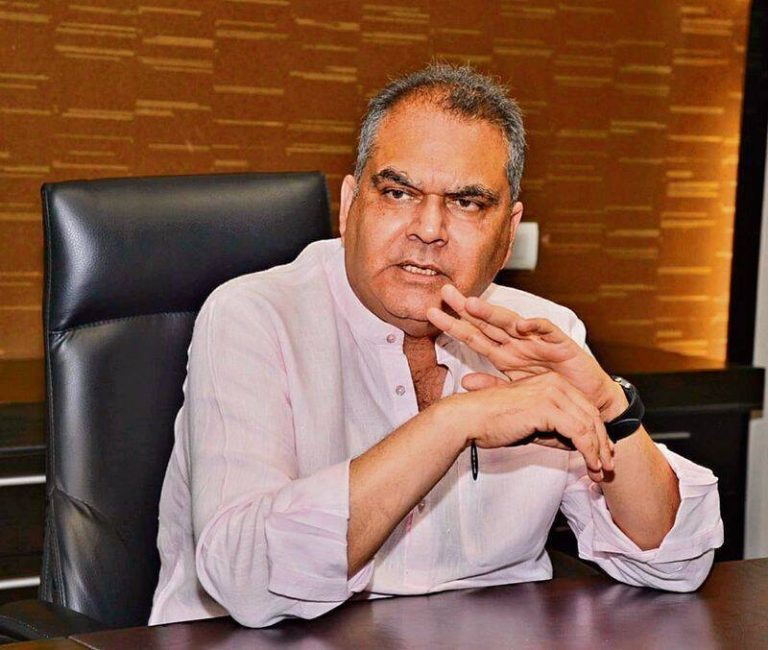
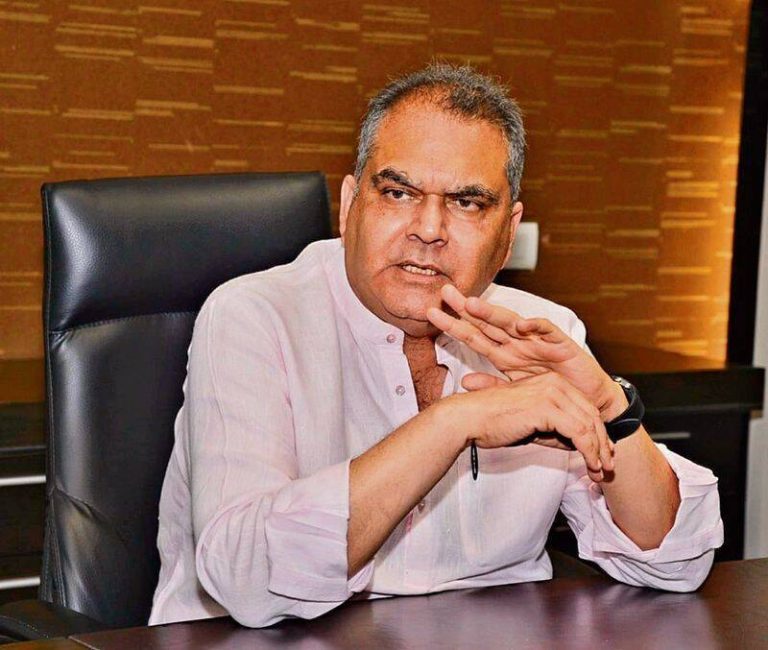
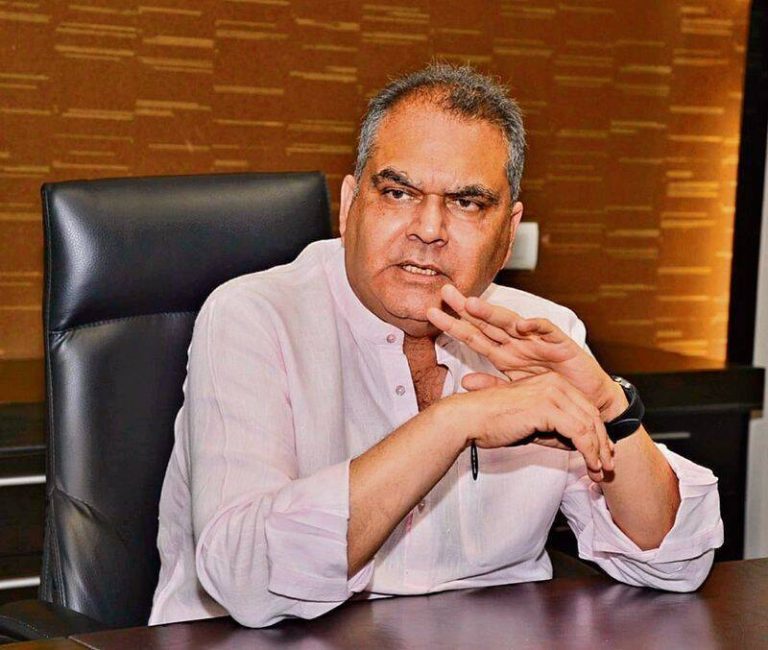
In a bizarre incident, the Bharatiya Janata Party’s (BJP) Assam unit has sparked controversy by sharing a doctored video on social media platform X, featuring Congress leader Gaurav Gogoi dancing to the popular song ‘Fa9la’ in Pakistan. The video, which has been making rounds on the internet, shows Rehman Dakait, played by Akshaye Khanna in the movie ‘Dhurandhar’, with the actor’s face edited to resemble Gogoi. The caption accompanying the video reads, “Jalwa hain Paaijaan ka Pakistan mein,” which translates to “Paijaan’s grandeur is in Pakistan.”
The BJP has previously alleged links between Gogoi and Pakistan, and this latest move is seen as an attempt to further tarnish the Congress leader’s image. The video, which appears to be created using artificial intelligence (AI), has raised questions about the authenticity of the content and the intentions behind sharing it. The BJP’s Assam unit has been actively using social media to target its opponents, and this incident is just the latest example of the party’s online campaign.
The song ‘Fa9la’ is a popular Pakistani number, and the video shows Gogoi’s face superimposed on the body of Akshaye Khanna, who is dancing to the song in a Pakistani setting. The video has been widely shared on social media, with many users expressing shock and outrage over the blatant attempt to mislead the public. The Congress party has not yet responded to the video, but it is likely that the party will condemn the BJP’s actions and demand an apology.
The use of AI to create fake videos has become a growing concern in recent years, with many experts warning about the potential dangers of deepfake technology. The BJP’s decision to share a doctored video featuring a rival politician has sparked debate about the ethics of using such technology in politics. While the party may have intended to mocked Gogoi, the move has ultimately backfired, with many users criticizing the BJP for resorting to cheap tactics.
The incident has also raised questions about the role of social media in politics. The BJP’s Assam unit has been actively using social media to target its opponents, and the video is just the latest example of the party’s online campaign. However, the use of fake videos and manipulated content has the potential to mislead the public and undermine the democratic process. As social media continues to play a growing role in politics, it is essential that parties and politicians prioritize fact-based campaigning and avoid resorting to underhanded tactics.
In recent years, the BJP has been at the forefront of using social media to further its political agenda. The party has a strong online presence, with many of its leaders and workers actively using platforms like X to share their views and target their opponents. However, the use of fake videos and manipulated content has the potential to damage the party’s credibility and undermine its message.
The controversy surrounding the video has also sparked a debate about the relationship between the BJP and the Congress party. The two parties have a long history of rivalry, and the incident is just the latest example of the tensions between them. The BJP’s decision to share a doctored video featuring Gogoi has been seen as a desperate attempt to tarnish the Congress leader’s image, and the move is likely to escalate tensions between the two parties.
As the controversy surrounding the video continues to unfold, it is essential that parties and politicians prioritize fact-based campaigning and avoid resorting to underhanded tactics. The use of fake videos and manipulated content has the potential to mislead the public and undermine the democratic process, and it is essential that social media platforms take steps to prevent the spread of such content.
In conclusion, the BJP’s decision to share a doctored video featuring Gogoi has sparked controversy and debate about the use of fake videos in politics. The incident has raised questions about the ethics of using AI technology to create manipulated content, and the potential dangers of deepfake technology. As social media continues to play a growing role in politics, it is essential that parties and politicians prioritize fact-based campaigning and avoid resorting to underhanded tactics.
Source: https://x.com/BJP4Assam/status/2007750036869005660
About the Author