Those bursting crackers should be called ‘anti-national’: Maneka
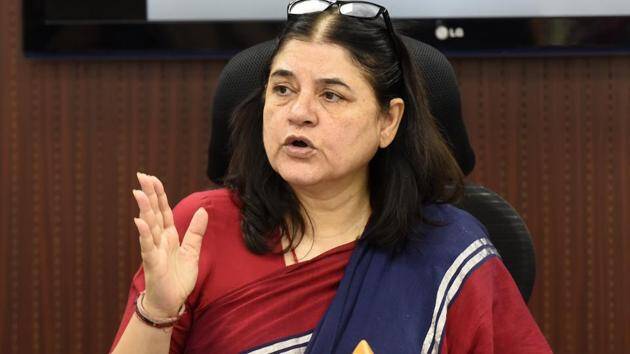
As the festive season approaches, the debate around firecrackers and their impact on the environment has once again gained momentum. BJP leader Maneka Gandhi has joined the chorus, calling for a nationwide ban on firecrackers and labeling those who burst them as “anti-national”. In a strong statement, Gandhi emphasized that the primary cause of air pollution in New Delhi is the bursting of firecrackers, which not only harms the environment but also poses serious health risks to citizens.
Gandhi’s remarks come at a time when the national capital is struggling to cope with hazardous air quality, particularly during the winter months. The situation is exacerbated by the burning of firecrackers during festivals like Diwali, which releases massive amounts of toxic pollutants into the atmosphere. According to Gandhi, the sheer scale of firecracker bursting is staggering, with an estimated ₹800 crore worth of crackers being lit up in just two nights. The consequences of such reckless behavior are devastating, with the air quality plummeting to dangerous levels and putting the health of millions at risk.
The BJP leader’s statement has sparked a heated debate, with many agreeing that the time has come to take drastic measures to curb the menace of firecracker pollution. The argument is not just about the environmental impact, but also about the broader implications for public health and national well-being. By labeling those who burst firecrackers as “anti-national”, Gandhi is highlighting the need for a collective sense of responsibility and patriotism. After all, what can be more unpatriotic than willfully contributing to the destruction of one’s own country’s environment and putting the health of its citizens in jeopardy?
The issue of firecracker pollution is not limited to New Delhi, but is a nationwide problem that requires a coordinated response. The government, civil society, and individuals must come together to raise awareness about the dangers of firecracker bursting and work towards finding alternative, eco-friendly ways to celebrate festivals. This could include organizing community events, promoting traditional and cultural activities, and encouraging the use of environmentally friendly fireworks.
Moreover, there is a need to recognize the economic and social factors that drive the demand for firecrackers. Many people, particularly in rural areas, rely on the firecracker industry for their livelihood. A ban on firecrackers would require the government to provide alternative employment opportunities and support to those affected. Additionally, there is a need to sensitize people about the importance of environmental protection and the role they can play in mitigating pollution.
Gandhi’s call for a nationwide ban on firecrackers is not without precedent. Several countries have already taken steps to restrict or ban the use of firecrackers due to environmental and health concerns. In India, some cities have implemented partial bans or restrictions on firecracker bursting, but a more comprehensive approach is needed to address the scale and complexity of the problem.
In conclusion, Maneka Gandhi’s statement highlights the urgent need for action to address the issue of firecracker pollution. The time has come to rethink our approach to festival celebrations and prioritize the health and well-being of our citizens. By working together, we can create a cleaner, greener, and healthier environment for future generations. As Gandhi aptly put it, those who burst firecrackers should be called “anti-national” – a label that should serve as a wake-up call for all of us to take responsibility for our actions and strive for a more sustainable and eco-friendly future.
News Source: https://repository.inshorts.com/articles/en/PTI/05dfed30-2874-4e50-8c78-37383df29516
About the Author